Heavy snow hits Juneau, Alaska, ending 2025. More than half of the month’s total snowfall occurred in the last five days of the month, with 49 inches of snow falling.
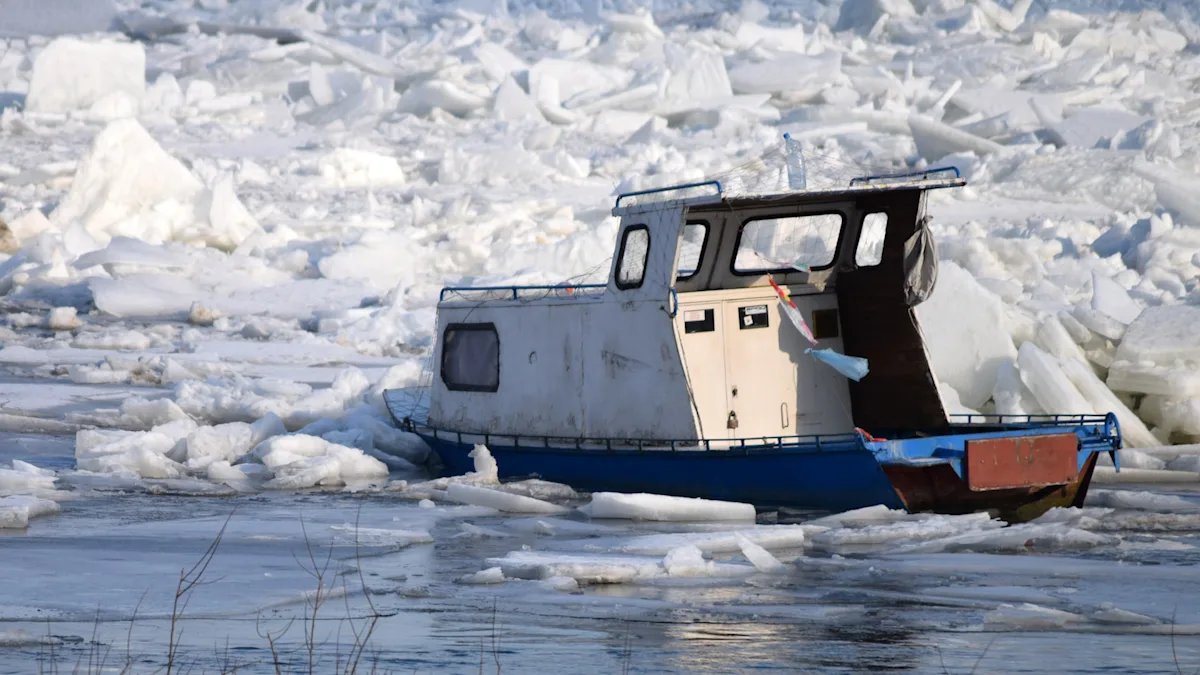
Record snowfall is part of an extreme winter weather pattern that has led to the sinking of several large ships in Juneau Harbor. Residents in surrounding communities are preparing for possible avalanches.
The Alaska Coastal Avalanche Center reported at least three avalanches in the state capital during the last week of December. All three avalanches occurred at elevations between 1,900 and 2,450 feet. In the first 5 days of 2026, 5 more avalanches were observed. The Alaska Department of Transportation and Public Utilities closed roads on New Year’s Day to conduct “mitigation efforts” to reduce avalanche risk.
“Our crews are working around the clock, using all available dewatering pumps, and we are now rapidly depleting our resources as conditions continue to worsen,” the Port of Juneau posted on Facebook on New Year’s Eve, Fox Weather reported.
“Overnight, three additional large vessels completely sank, bringing the total number of vessels lost in the storm so far to eight. Dozens more vessels have been rescued thanks to the tireless efforts of marina and port staff and the swift action of port users and vessel owners.”
Juneau had a record December snowfall of 82 inches. That’s four times the average snowfall for the month and nearly as much as the city gets throughout the winter. After a break last weekend, the first full week of 2026 starts with a lot of snow.
More than 7 inches of snow fell in the first five days of January. A winter storm warning is in effect Monday as heavy snow continues to fall across the area. The National Weather Service expects up to 3 inches of snow to fall on Tuesday, with an additional 1 to 3 inches possible Tuesday night and an additional 1 to 3 inches possible on Wednesday.
Officials will continue to monitor avalanche risk and unsettled weather patterns are expected to persist this week. “The overall pattern across Southeast Alaska will remain fairly active, with onshore flow and showers continuing into the middle of the week and beyond,” meteorologists at the National Weather Service office in Juneau noted.
According to the National Weather Service, “an avalanche is a rapid flow of snow down a mountain or slope.” “Although avalanches occur suddenly, there are often many warning signs you can look for or feel before an avalanche occurs. In 90 percent of avalanche events, the avalanche is triggered by the victim or someone in the victim’s group. Avalanches kill more than 150 people worldwide each year.”
Some scientists believe that global warming will affect avalanche burial rates and survival rates.
“As terrain roughness is expected to rise and snowpack becomes thinner, blunt trauma and secondary injuries may become more frequent,” concluded researchers who studied the effects of a superheated planet on avalanches. “Higher snow density in avalanche debris may interfere with the breathing of fully buried victims. Asphyxiation and trauma as causes of avalanche deaths may increase.”
Get TCD’s free newsletter for simple tips to save more, reduce waste and make smarter choices, and earn up to $5,000 toward clean upgrades in TCD’s exclusive Rewards Club.

