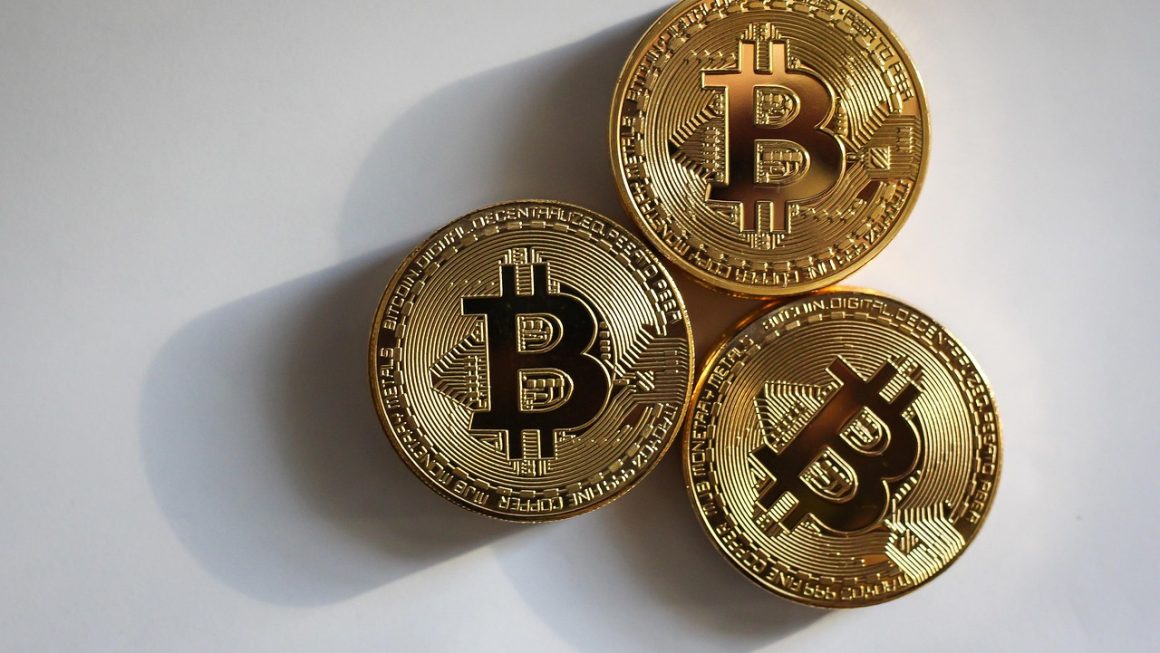
The cryptocurrency landscape has evolved significantly since the inception of Bitcoin in 2009. While Bitcoin remains the undisputed “digital gold” of the market, it is only one piece of a much larger, decentralized puzzle. Today, thousands of alternative digital currencies, collectively known as altcoins, are driving innovation across finance, supply chain management, gaming, and governance. Whether you are a seasoned investor or a curious newcomer, understanding the altcoin ecosystem is essential for navigating the modern blockchain economy.
Understanding Altcoins: Beyond Bitcoin
What Exactly Is an Altcoin?
An “altcoin” is a portmanteau of “alternative” and “coin.” Simply put, it refers to any cryptocurrency that is not Bitcoin. Many of these projects were created to address perceived limitations in Bitcoin’s architecture, such as transaction speeds, energy consumption, or lack of smart contract functionality. While some altcoins are simple forks of Bitcoin’s code, others represent entirely new blockchain infrastructures with unique value propositions.
The Different Categories of Altcoins
Altcoins are not a monolith; they serve various purposes within the digital asset space. Common classifications include:
- Utility Tokens: Designed to provide access to a specific product or service within a blockchain ecosystem (e.g., Filecoin for decentralized storage).
- Stablecoins: Digital assets pegged to a reserve asset like the US Dollar to minimize volatility (e.g., USDC or USDT).
- Governance Tokens: Give holders the power to vote on the future development of a protocol (e.g., Uniswap’s UNI).
- Meme Coins: Often driven by community sentiment and social media hype rather than traditional utility (e.g., Dogecoin or Shiba Inu).
The Evolution of Blockchain Innovation
Smart Contracts and Programmable Money
The most significant leap in the altcoin space was the introduction of Ethereum, which popularized the concept of smart contracts. Smart contracts are self-executing agreements with the terms written directly into code. This innovation allowed for the creation of Decentralized Applications (dApps), which eliminate the need for middlemen in complex financial or legal processes.
Scalability and Consensus Mechanisms
Many altcoins have emerged to solve the “blockchain trilemma”—the challenge of balancing decentralization, security, and scalability. Modern projects often utilize different consensus mechanisms:
- Proof of Stake (PoS): More energy-efficient than Bitcoin’s Proof of Work, used by networks like Solana and Cardano.
- Layer-2 Solutions: Projects like Polygon or Arbitrum designed to sit on top of Ethereum to make transactions faster and cheaper.
Key Factors to Consider Before Investing
Conducting Thorough Due Diligence
The altcoin market is notoriously volatile and prone to “rug pulls” or failed projects. Before committing capital, consider these actionable steps:
- Analyze the Whitepaper: Does the project solve a real-world problem, or is it just hype?
- Check the Team: Are the developers transparent and experienced in the blockchain industry?
- Evaluate Tokenomics: How is the supply controlled? Are there inflationary or deflationary mechanics?
- Community Sentiment: Is there a genuine, active user base, or is the community purely speculative?
Managing Portfolio Risk
Altcoins generally carry higher risk compared to Bitcoin or Ethereum. It is wise to treat them as high-risk, high-reward assets. Use strategies like Dollar-Cost Averaging (DCA) to smooth out price volatility, and never invest more than you can afford to lose.
The Future of the Altcoin Ecosystem
Interoperability and Cross-Chain Solutions
As the number of blockchains grows, the next frontier is interoperability. Projects like Polkadot and Cosmos are building the “internet of blockchains,” allowing different networks to communicate and share data seamlessly. This connectivity is vital for the mass adoption of blockchain technology.
Real-World Asset (RWA) Tokenization
We are currently seeing a shift toward tokenizing real-world assets. From real estate and fine art to government bonds, altcoins are acting as the rails for fractional ownership of traditional assets. This could potentially unlock trillions of dollars in liquidity for previously illiquid markets.
Conclusion
Altcoins are the engine of innovation in the crypto world. By enabling everything from decentralized finance (DeFi) to global asset management, they continue to push the boundaries of what is possible with distributed ledger technology. However, with this potential comes the necessity for caution and education. As the space matures, the projects that offer genuine, sustainable value are the ones likely to survive long-term. By keeping an eye on technological developments and conducting diligent research, you can better position yourself to navigate the complexities and opportunities within the expansive altcoin market.