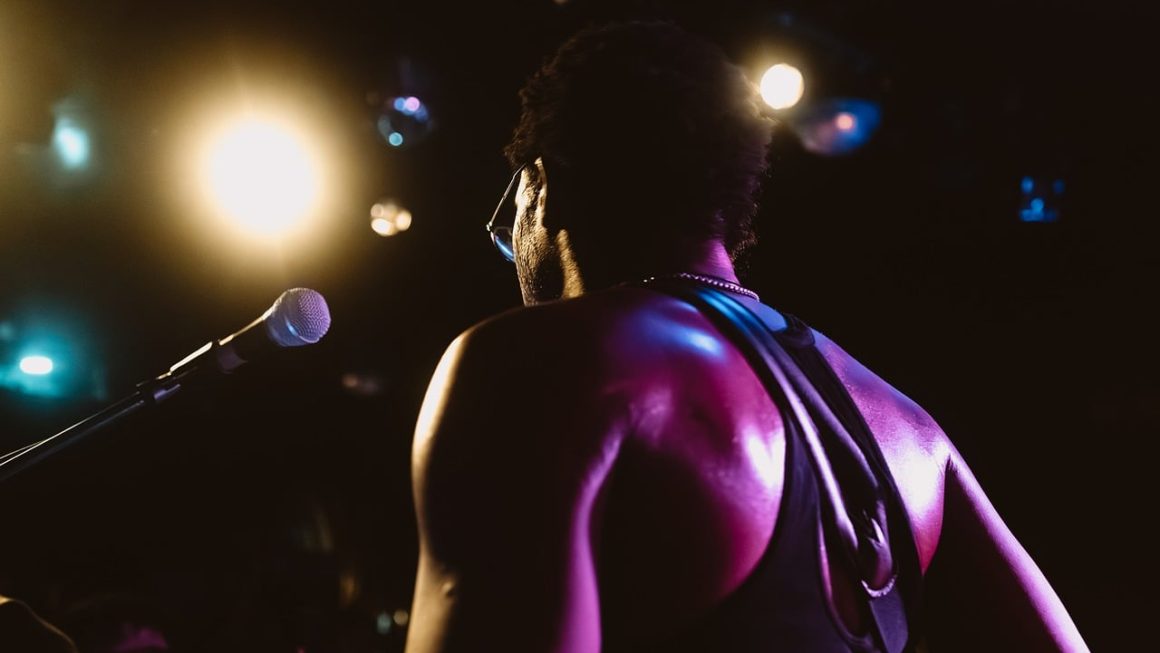
In an era defined by rapid information exchange, the documentary remains one of the most powerful tools for storytelling and cultural preservation. Far beyond simple educational clips, modern documentaries act as mirrors reflecting the complexities of the human condition, social justice, and the natural world. Whether through investigative journalism or intimate character studies, the documentary genre has evolved into a sophisticated art form that educates, provokes, and inspires audiences globally. Understanding the craft and impact of documentary filmmaking is essential for creators and viewers alike who seek to engage with the world on a deeper, more meaningful level.
The Evolution and Types of Documentaries
Documentary filmmaking has come a long way since the early 20th-century “actuality” films. Today, the genre encompasses a wide variety of styles, each serving a unique purpose in narrative storytelling.
Exploring Diverse Documentary Sub-genres
- Observational (Direct Cinema): A fly-on-the-wall approach where filmmakers avoid narration and interviews, allowing the events to unfold naturally.
- Expository: The traditional “voice-of-god” style that uses narration to guide the viewer through an argument or historical account.
- Participatory: The filmmaker is an active participant in the story, often appearing on screen to investigate alongside the subjects.
- Poetic: Prioritizes mood, tone, and visual aesthetics over linear narrative or explicit argumentation.
The Impact of Streaming Platforms
According to recent industry data, the demand for non-fiction content has surged by over 40% in the last five years, largely due to the “Golden Age of Streaming.” Platforms like Netflix, Hulu, and HBO have turned documentaries into “event television,” proving that true-life stories can be just as gripping as scripted dramas.
The Essential Process of Documentary Pre-Production
A compelling documentary begins long before the camera rolls. The pre-production phase is where the vision is crystallized and the logistical foundation is laid.
Research and Narrative Development
Every great documentary starts with a deep dive into the subject matter. This includes:
- Fact-checking: Verifying sources to maintain journalistic integrity.
- Finding the Arc: Even non-fiction stories need a beginning, middle, and end. Identify the “characters” and the stakes involved.
- Securing Access: Obtaining permission from subjects, institutions, or locations is vital to avoid legal roadblocks later.
Creating a Production Plan
Practical tip: Create a “shooting script” or a beat sheet that outlines the key questions you need to answer. While documentaries are unpredictable, having a plan helps you remain focused when the story takes an unexpected turn.
Technical Craftsmanship: Visuals and Audio
Unlike scripted films where everything is controlled, documentary filmmaking often happens in the wild. Achieving high production value in unpredictable environments is the mark of a skilled professional.
Mastering Natural Lighting and Composition
Since you cannot always control the environment, learn to manipulate available light. Use reflectors to fill in shadows or neutral density (ND) filters to control exposure in bright outdoor conditions.
The Importance of High-Quality Audio
Audience retention is significantly higher with clear audio than with perfect video. Always prioritize high-fidelity lavalier mics or shotgun microphones to capture clean dialogue, even if you have to sacrifice the “perfect” camera angle.
Ethics and Responsibility in Non-Fiction Filmmaking
With great storytelling power comes a significant ethical responsibility. When you represent real people and real lives, the line between art and exploitation can become blurred.
Navigating Consent and Subject Safety
- Informed Consent: Always ensure your subjects understand exactly how their story will be framed.
- Representation: Strive for authenticity. Avoid “editing for drama” in a way that misrepresents the subject’s true intentions or character.
- Impact Assessment: Consider how the film will change the lives of the people featured. Providing a platform is a privilege, not a right.
Balancing Objectivity and Point of View
While no documentary is truly “objective” (since the filmmaker makes editing choices), aim for transparency. If your film advocates for a specific cause, be clear about your intent to allow the audience to weigh the information fairly.
Marketing and Distributing Your Documentary
Creating the film is only half the battle; ensuring it reaches an audience is where the work shifts to distribution and marketing strategy.
Building an Audience Through Social Media
Use short-form content—teasers, behind-the-scenes clips, and “making of” reels—to build hype before the release. Engaging directly with communities interested in your documentary’s topic can turn passive viewers into long-term advocates.
Film Festivals and Digital Platforms
- The Festival Circuit: Submission to prestigious festivals (like Sundance or IDFA) provides critical social proof and industry networking opportunities.
- Direct-to-Consumer: Utilizing platforms like Vimeo On Demand or building a dedicated website allows creators to retain higher percentages of revenue.
Conclusion
Documentaries serve as an vital bridge between human experience and public awareness. By mastering the art of narrative structure, respecting the ethical boundaries of non-fiction, and utilizing modern technical and distribution tools, creators can produce work that resonates across generations. Whether you are an aspiring filmmaker or a curious cinephile, the world of documentary offers an endless opportunity to uncover the truth and share the stories that define our world. Stay curious, focus on the integrity of the story, and let the truth speak for itself.