
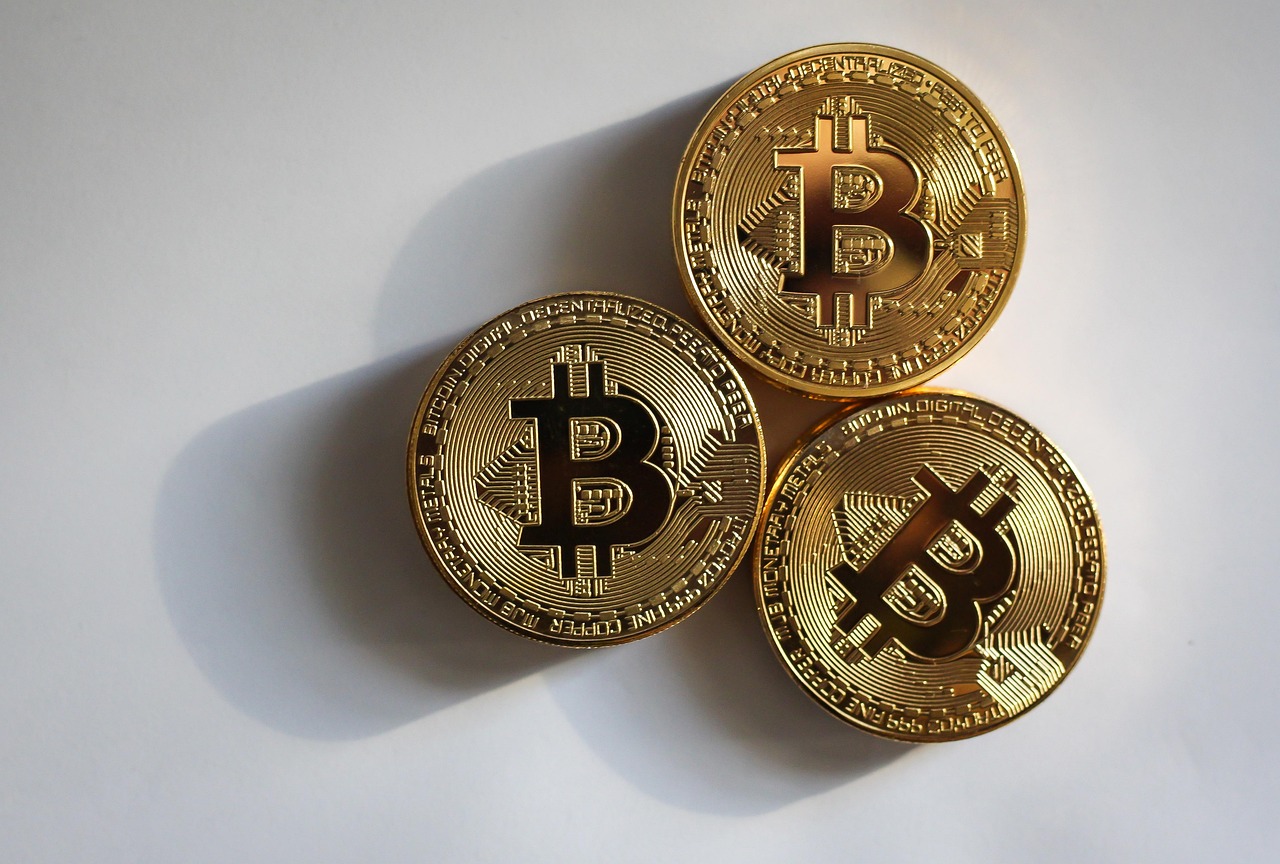
In the rapidly evolving landscape of decentralized finance (DeFi) and Web3, the concept of decentralized decision-making has shifted from a theoretical ideal to a functional reality. At the heart of this transformation lies the governance token, a digital asset that empowers community members to influence the future trajectory of a project. By granting holders the right to vote on proposals, protocol changes, and treasury allocations, these tokens represent a fundamental departure from traditional corporate governance structures. As the industry matures, understanding how these tokens function is essential for anyone looking to participate meaningfully in the blockchain ecosystem.
Understanding Governance Tokens and Their Purpose
What is a Governance Token?
A governance token is a cryptocurrency that grants its holders the right to vote on key decisions regarding a decentralized project. Unlike traditional shares of a company, which represent equity and ownership of assets, governance tokens represent voting power within a Decentralized Autonomous Organization (DAO).
The Shift Toward Decentralization
Governance tokens are the primary mechanism used to transition a project from a centralized team to a community-led model. Key objectives include:
- Distributing Power: Reducing reliance on a single founder or executive board.
- Alignment of Incentives: Ensuring that token holders have a vested interest in the long-term success of the protocol.
- Transparency: Creating an on-chain record of every decision made, making the process auditable by anyone.
Core Functionalities and Voting Mechanisms
How Voting Works
Most governance systems utilize on-chain voting, where the decision is recorded directly onto the blockchain. The weight of a vote is typically determined by the number of tokens a user holds. Common mechanisms include:
- One-Token, One-Vote: The simplest model where your influence is directly proportional to your token holdings.
- Quadratic Voting: A system designed to prevent “whales” from dominating the vote by making the cost of additional votes increase exponentially.
- Delegated Voting: Allows users to delegate their voting power to trusted individuals or entities who are more active in the project’s development.
Proposals and Implementation
Proposals usually undergo a multi-step process, starting with community discussion on forums like Discord or Discourse, followed by a formal vote. If a proposal passes, it may be executed automatically via a smart contract, ensuring that the community’s decision is enforced without human intervention.
Practical Examples in the DeFi Space
Uniswap (UNI)
As one of the most prominent examples, the UNI token allows holders to govern the Uniswap protocol. Holders can vote on fee structures, treasury management, and the development of the Uniswap Grants Program. This has allowed the platform to evolve through community-led upgrades without the need for a central administrative body.
MakerDAO (MKR)
MakerDAO, the issuer of the DAI stablecoin, is arguably the pioneer of governance tokens. MKR holders manage the “risk parameters” of the protocol, such as adjusting interest rates (Stability Fees) to maintain the peg of the DAI stablecoin. This highlights how governance tokens can be used for critical financial management tasks.
Benefits and Challenges of Governance Tokens
Key Advantages
- Community Engagement: Encourages users to actively contribute to the product’s development.
- Innovation Speed: Enables rapid experimentation by crowdsourcing ideas from the brightest minds globally.
- Fairness: Provides a transparent framework for how protocol fees and treasury funds are distributed.
Risks and Limitations
- Voter Apathy: Often, a small percentage of users actually participate, which can lead to low voter turnout.
- Whale Dominance: Large investors can still sway outcomes in their favor, potentially at the expense of smaller retail holders.
- Governance Attacks: Malicious actors could theoretically purchase a large supply of tokens to pass harmful proposals.
How to Participate Responsibly
Best Practices for Holders
- Do Your Research: Always read the documentation and whitepaper of the project before participating in a vote.
- Stay Informed: Use governance aggregators like Tally or Snapshot to track upcoming votes for projects you support.
- Evaluate Proposals Carefully: Consider the long-term impact of a proposal rather than short-term price gains.
Actionable Takeaway
If you hold governance tokens, do not treat them merely as speculative assets. Engage with the project’s community channels, read the discourse surrounding new proposals, and consider delegating your tokens to an expert if you lack the time to monitor proposals yourself.
Conclusion
Governance tokens represent a revolutionary leap in how organizations operate in a digital-first world. By providing a stake in the decision-making process, these tokens bridge the gap between users and creators, fostering a truly collaborative environment. While challenges like voter apathy and concentration of power persist, the ongoing evolution of voting mechanisms—such as quadratic and reputation-based voting—suggests a bright future for decentralized governance. As you navigate the crypto landscape, treat your governance tokens as both a financial asset and a civic tool, helping to shape the protocols that define the next generation of the internet.
