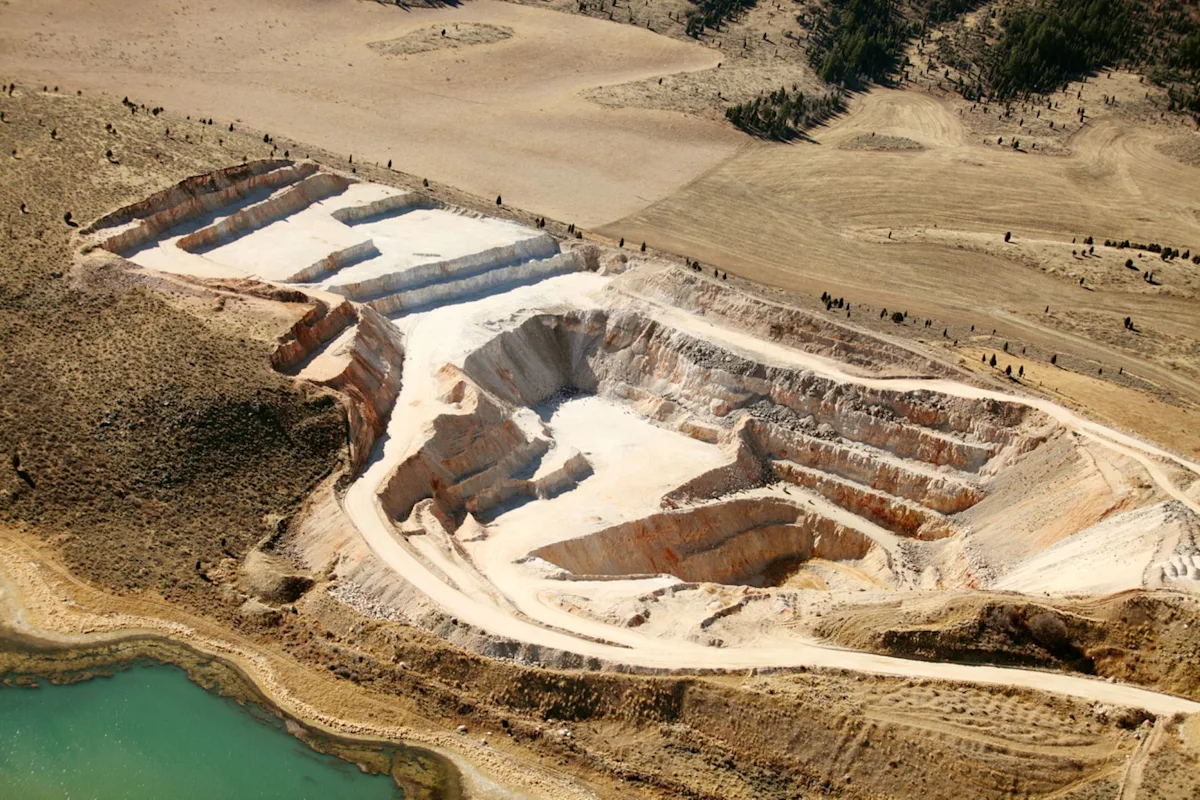

As clean energy efforts boom, a new discovery in Norway could boost the future of the movement. A mining company has discovered a phosphate deposit with estimated reserves of 77 billion tons, enough to meet global demand for the next 50 years, according to the discoverer.
Norge Mining discovered the deposit back in 2018, but it was only in May this year that the company announced how much phosphate it had discovered.
“At a depth of 400 meters, we have established two world-class resources that combined can supply raw materials for at least 50 years,” Norge Mining founder and deputy CEO Michael Wurmser told Euractiv.
After phosphate is processed into phosphoric acid, it is a key component of lithium iron phosphate batteries. These batteries keep many solar systems and electric vehicles running.
In fact, the use of lithium iron phosphate batteries is expected to boom soon. According to the International Energy Agency, the market share of lithium iron phosphate batteries in commercial vehicles is expected to increase to 90% by 2040.
As demand for clean energy systems surges, the discovery is important not only because of its size, but also because of its location. Prior to the discovery of the deposit, the main producers of phosphate were Morocco, China, the United States and Russia. Markets have been severely disrupted since Russia invaded Ukraine in 2022.
The discovery of the deposit is expected to help relieve some of the pressure, meaning the cost of electric cars and solar panels could fall.
“When you find something of this scale in Europe, it’s larger than all other sources that we know of – that’s huge,” Wumser said. “We believe the phosphorus we produce is important to the West – it provides autonomy.”
Join our free newsletter for weekly updates on the coolest innovations improve our lives and save our planet.

