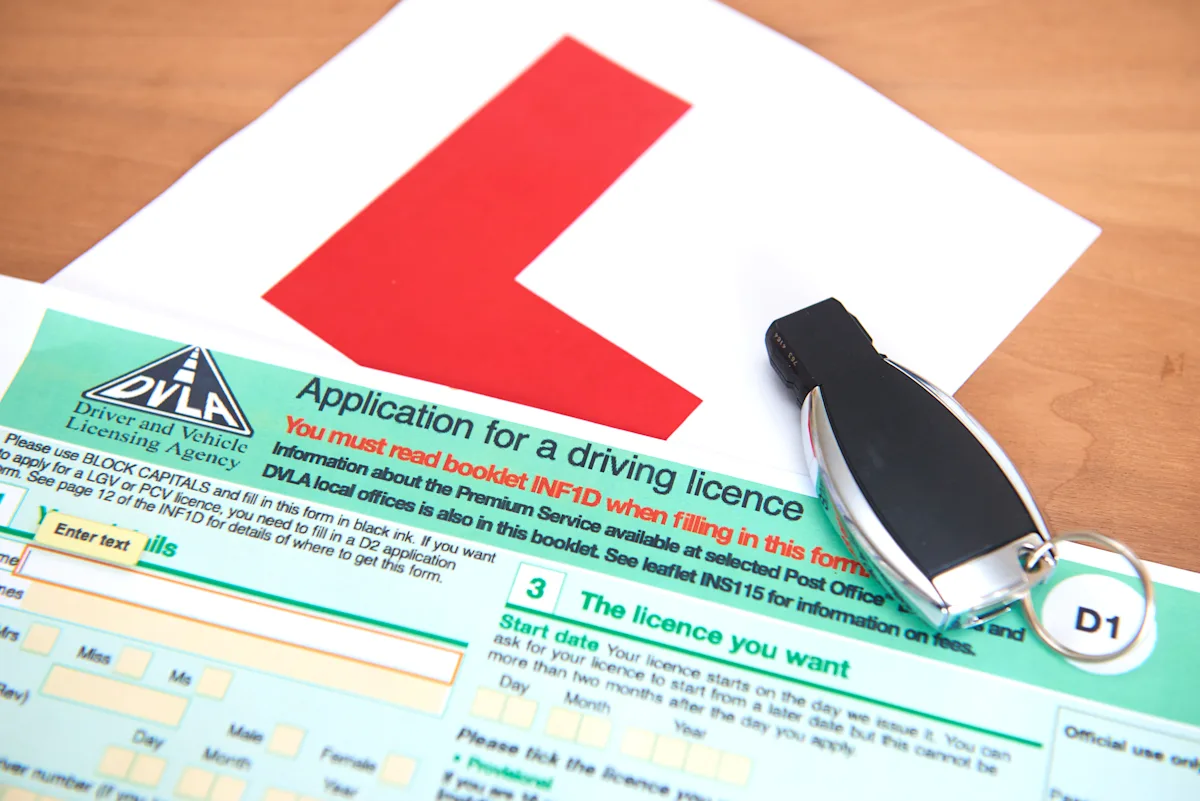
Ministers are expected to resist calls for major reforms to driving qualifications as they unveil their latest plans to improve road safety.
Campaigners believe replacing Britain’s current driving test system could prevent thousands of injuries and deaths on the country’s roads every year.
The existing “set it and forget it” system means newly qualified drivers will face the same road rules as other, more experienced drivers once they pass their test.
However, a growing number of experts are calling for the UK to introduce a so-called “graduated” or “tiered” system, similar to those used in countries such as Australia and the Republic of Ireland, to impose tighter restrictions on new drivers.
The AA estimates that such an opportunity could reduce the number of people injured or killed in accidents each year by two-fifths.
Earlier this month, West Midlands Police and Crime Commissioner (PCC) Simon Foster became the latest figure to demand changes from the government, saying progressive driving licenses were “proven, proportionate and urgently needed”.
However, transport chiefs are expected to prioritize “other measures” when the government releases its upcoming road safety strategy.
Responding to Foster’s comments, a Department for Transport spokesperson told Yahoo News: “While we are not considering graded driving licences, we absolutely recognize that young people are disproportionately the victims of tragic incidents on our roads and will continue to address this through our THINK! campaign.
“We are considering additional measures to address this issue and protect young drivers as part of our upcoming road safety strategy – the first in more than a decade.”
Before 2018, drivers were not allowed to drive on UK motorways until they passed their test. (Getty Images)
What is a “graduated driver’s license”?
Currently, all drivers in England, Wales or Scotland must abide by the same rules whether it’s been days or decades since they passed their practical driving test.
If they wish, newly qualified motorists can choose to display a green ‘P plate’ to signal their lack of experience to other road users.
In Northern Ireland, an amber “R plate” must be displayed within the first 12 months after qualifying and speed restrictions are introduced.
While a “graduated” or “progressive” driver’s license can take many forms, there may be restrictions such as maximum speed, number of passengers and the types of roads you can drive on.
These will be phased out based on factors such as age, driving ability and driving experience.
The move is backed by the Automobile Association, which believes it could reduce the number of serious accidents involving young drivers.
Last year, Edmund King, the group’s chairman, said: “The AA believes we need a graded learning system with logbooks where all learners need to demonstrate their skills on all types of roads, particularly rural roads, where 71 per cent of fatal crashes with new drivers occur, and in different weather conditions and at different times of day or night.”
The Republic of Ireland is one of several countries that has introduced progressive driving licences, where an ‘N plate’ must be displayed within two years of passing the test. (Getty)
Which countries already use graduated driving licenses?
The Republic of Ireland requires drivers to complete a two-year probation period, during which they must display an “N plate” and comply with lower drink-driving limits than more experienced road users.
In Australia, new drivers are prohibited from driving at certain times at night and there are limits on the number of passengers they can carry.
New Zealand motorists go through a three-step process, offering a ‘learner’, ‘restricted’ and ‘full’ license.
What happens next?
The government appears to have ruled out any immediate reform of driving licensing rules in its upcoming road safety strategy, saying it will focus on “other measures” to improve highway safety.
This could include tougher penalties for driving without insurance or wearing a seat belt.
New research also shows that young people’s attitudes towards drink driving have softened.
The policy is expected to last until 2030, meaning graduated or progressive licensing is unlikely to be considered before then.
The policy is expected to be released in the fall, but it’s unclear when the policy might be released.
It has been suggested that progressive driving licenses could reduce insurance premiums and improve road safety. (Pennsylvania)
Who is supporting it?
The approach has broad support.
In the summer of 2025, the Protect Young Drivers campaign group was formed, a coalition of MPs, emergency services, insurance companies, academics, charities, campaigners and bereaved families.
Organizations that have signed up to the politically neutral, evidence-based approach include the National Police Chiefs Council, National Fire Chiefs Council, RAC, AA, Brake, RoadPeace and IAM RoadSmart.
Edmund King, chairman of motoring organization AA, which has previously backed graduated driving licences, said: “We have a responsibility to the next generation to take proactive steps to help them live healthy and prosperous lives.”
The RAC also said it believed it could “help save lives on the country’s roads”.
It has also been backed by victims’ charities such as Brake, which believes the scheme could save 4,471 casualties and £224m a year based on its likely impact on 17 to 19-year-old drivers alone.
The family of Josh Atkins, who died in a car crash at age 17 in November 2025, spoke of the need for a new system.
Corey Owen Cooper was jailed for five years after causing a crash that killed Atkins by dangerous driving the day after passing his driving test.
Gabe Weigert, Josh Atkins’ aunt, Claire Chapman and South Yorkshire Police Inspector Kieran Frayne outside Sheffield Crown Court, where Corey Owen Cooper was sentenced earlier this year. (Pennsylvania)
His family are calling for the UK to adopt a graduated driving licensing system. Following Cooper’s conviction, they said in a statement: “Young and inexperienced drivers need more support, more education and more responsibility to gain full driving license privileges.”
“It’s not about punishment, it’s about prevention. If there had been a system like this, Josh would still be with us today and still living his life.”
The policy also appears to have clear public support, with a survey of more than 7,000 people by pollster YouGov showing overwhelming support.
However, the government has so far refused to consider such a scheme, with local transport minister Lillian Greenwood saying during a House of Commons debate earlier this year that she wanted to improve safety without “unfairly penalizing young drivers”.
How does a graduated driver’s license affect car insurance?
In its Roadmap for Tackling Insurance Costs document, the Association of British Insurers (ABI) said the “adoption of graduated driving licenses” has the potential to lower premiums.
The RAC also said it believed driving licensing reforms could reduce the cost of car insurance for young drivers.
However, it also notes that this is not certain and that other products – such as “black box” insurance that tracks driving and eligibility, such as the Pass Plus scheme – can already help reduce costs.

