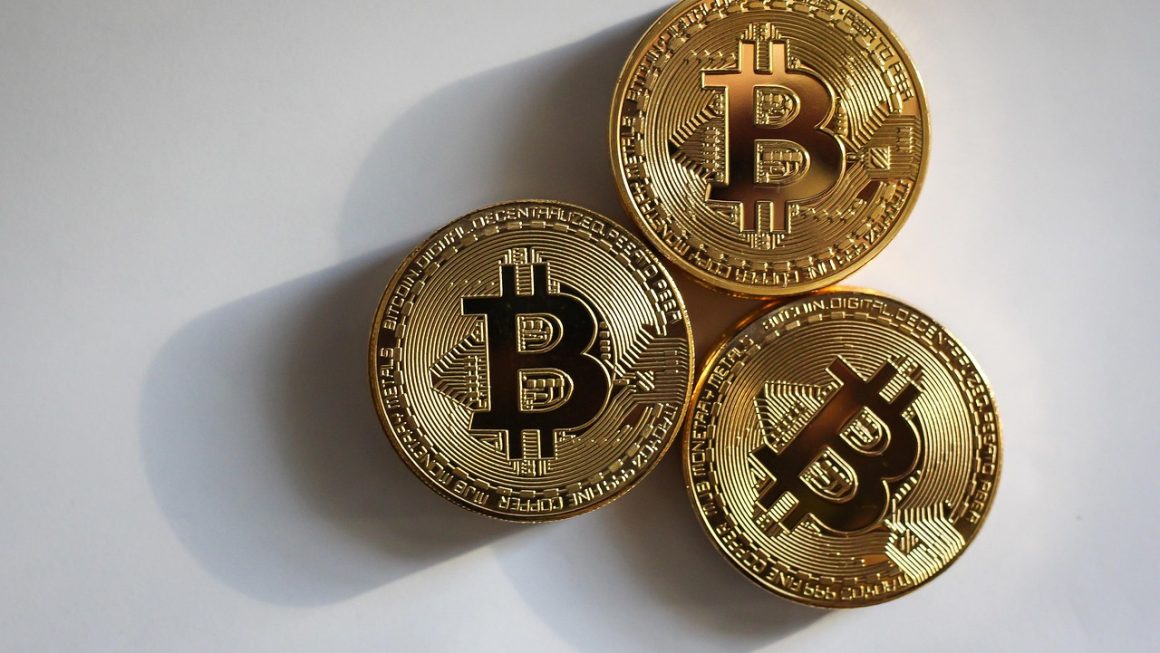
In the fast-paced world of cryptocurrency and decentralized finance, you have likely encountered the acronym DYOR—”Do Your Own Research”—repeatedly across forums, social media, and investment guides. While it may sound like a standard disclaimer, it is actually the single most important mantra for anyone navigating high-volatility markets. In an ecosystem where projects can rise to prominence overnight or vanish just as quickly, the responsibility for your financial health rests entirely on your shoulders. Understanding how to conduct effective due diligence is the difference between a calculated investor and a reckless gambler.
Why DYOR is the Foundation of Financial Success
Protecting Your Capital
The primary goal of DYOR is risk mitigation. Without research, you are susceptible to “FOMO” (Fear Of Missing Out) and social engineering tactics used by scammers. Statistics suggest that billions of dollars are lost annually to “rug pulls” and fraudulent schemes, many of which could have been avoided with basic due diligence.
- Verify identities: Check if the project founders are doxed (publicly known) or anonymous.
- Assess volatility: Research the project’s historical price action and liquidity.
- Spot red flags: Be wary of promises of “guaranteed returns” or “passive income” that sound too good to be true.
The Psychology of Independence
Relying on “financial influencers” (finfluencers) often leads to biased outcomes. When you perform your own research, you develop a conviction in your investment strategy that helps you remain calm during market downturns, rather than panic-selling when the sentiment turns negative.
Analyzing the Fundamentals: The Whitepaper and Beyond
Deconstructing the Whitepaper
The whitepaper is the project’s blueprint. It should clearly explain the problem the project is solving and why a decentralized solution is necessary. If the document is vague, buzzword-heavy, or lacks a technical roadmap, treat it as a significant warning sign.
- Utility: Does the token have a genuine use case?
- Consensus Mechanism: How is the network secured?
- Tokenomics: How are tokens distributed among founders, investors, and the community?
Evaluating the Roadmap
A realistic roadmap provides milestones that are measurable. If a project claims it will launch a global decentralized payment system within three months with a team of three people, it likely lacks the operational capacity to deliver.
Assessing the Team and Community
Vetting the Development Team
Transparency is a cornerstone of legitimacy. Look for developers with a track record, such as prior successful projects or a verifiable history on GitHub. Check their LinkedIn profiles and look for consistent engagement in the industry.
- Public Presence: Are they participating in AMA (Ask Me Anything) sessions?
- Expertise: Does the team have the technical background to build what they are proposing?
Community Sentiment and Health
A project is only as strong as its community. However, be careful not to mistake “hype” for “community.” Genuine communities discuss utility, development updates, and long-term goals; hype-driven communities focus exclusively on price predictions and “moon” emojis.
Technical Due Diligence: On-Chain Analysis
Audits and Security
Smart contract security is non-negotiable. Before investing in a DeFi protocol, check if the code has been audited by reputable firms like CertiK, Hacken, or Trail of Bits. An audit does not eliminate risk, but it significantly reduces the likelihood of exploits.
- Audit Reports: Always read the “Executive Summary” to see if high-severity vulnerabilities were identified and resolved.
- Open Source: Verify that the source code is public and accessible on platforms like Etherscan or GitHub.
On-Chain Data Transparency
Use block explorers to see who holds the tokens. If 90% of the token supply is held by a single wallet address (the “whale” risk), the project is highly susceptible to manipulation and liquidity drains.
Actionable Steps to Improve Your Research Process
Build Your Research Toolkit
To conduct professional-level research, you need the right resources. Bookmark these essential platforms:
- CoinGecko or CoinMarketCap: For tracking market cap and circulating supply.
- DefiLlama: For tracking Total Value Locked (TVL) in protocols.
- TradingView: For technical analysis and chart patterns.
- Twitter (X) and Discord: For monitoring real-time sentiment and developer communication.
The 80/20 Rule of Information
Spend 80% of your time reading primary sources (whitepapers, technical documentation, code audits) and only 20% of your time consuming secondary sources (news articles, influencer videos, social media commentary). This ensures your decisions are based on data rather than opinion.
Conclusion
Conducting your own research is not a one-time task; it is a continuous skill set that evolves alongside the market. By prioritizing transparency, security, and fundamental utility, you transform yourself from a passive participant into a disciplined investor. While no amount of research can eliminate risk entirely, DYOR serves as your most effective shield against fraud and poor decision-making. Remember: in the world of crypto, trust is earned through verifiable data, not through hype or promises. Keep learning, stay critical, and always verify before you commit your capital.