
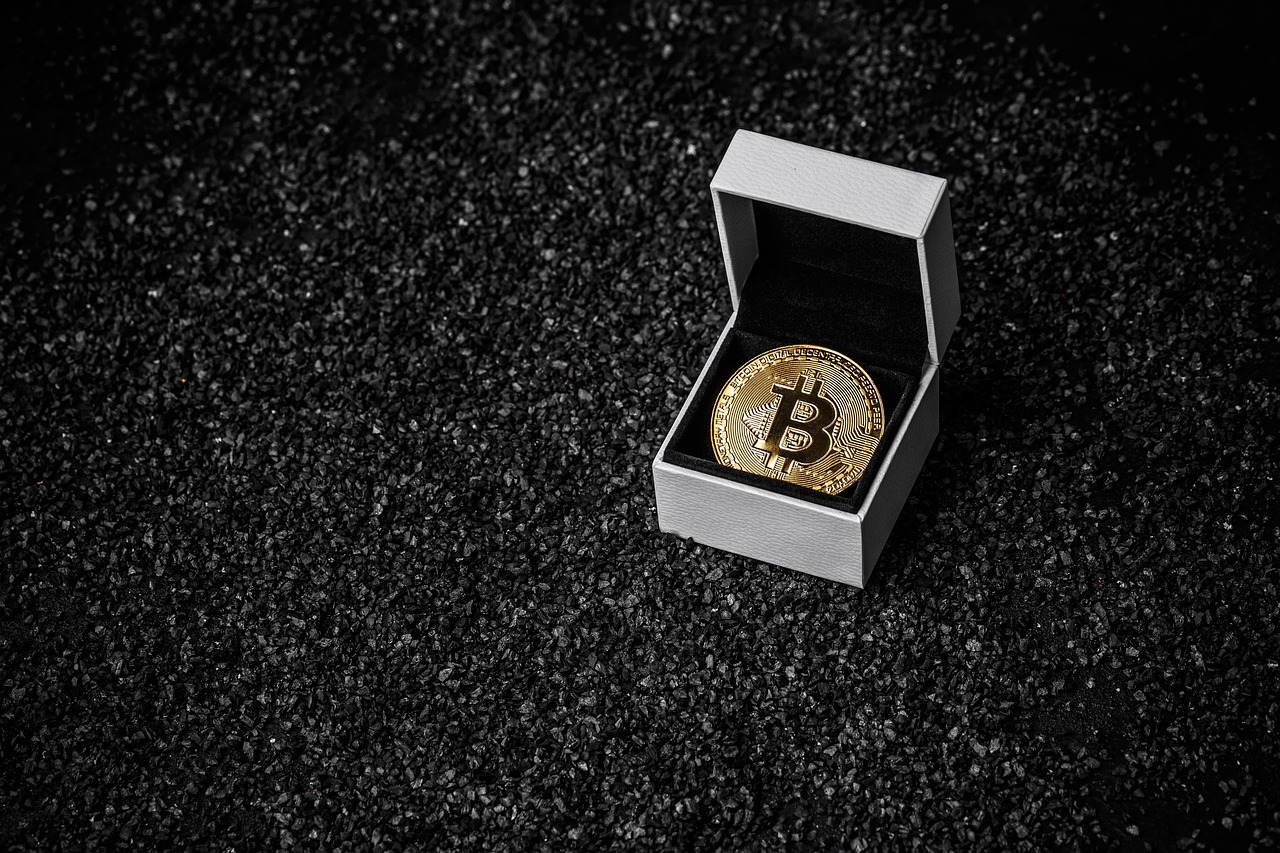
In the rapidly evolving landscape of decentralized finance (DeFi), the Decentralized Exchange (DEX) has emerged as a cornerstone of the modern crypto ecosystem. By removing the need for a traditional intermediary, such as a brokerage or a centralized bank, DEXs empower users to trade digital assets directly from their own wallets. As billions of dollars in liquidity flow through these platforms daily, understanding how a DEX functions—and why it is changing the way we think about market structure—is essential for any crypto investor or enthusiast.
Understanding the Fundamentals of a DEX
What is a Decentralized Exchange?
A Decentralized Exchange (DEX) is a peer-to-peer (P2P) marketplace where transactions occur directly between crypto traders. Unlike centralized exchanges (CEXs) like Coinbase or Binance, which function as middlemen holding custody of your assets, a DEX uses smart contracts to facilitate trades automatically.
The Core Philosophy: Non-Custodial Trading
The primary value proposition of a DEX is the principle of “not your keys, not your coins.” When you trade on a DEX, you remain in complete control of your private keys throughout the entire transaction process. Key features include:
- Self-Custody: You trade directly from your hardware or software wallet (e.g., MetaMask, Ledger).
- Permissionless Access: No KYC (Know Your Customer) documentation or account approval is required.
- Transparency: All transactions are recorded on the public blockchain, making them auditable by anyone.
How DEXs Function: AMMs vs. Order Books
The Rise of Automated Market Makers (AMMs)
Most modern DEXs, such as Uniswap or PancakeSwap, utilize Automated Market Makers (AMMs). Instead of matching buyers and sellers directly, an AMM uses liquidity pools. Liquidity providers deposit pairs of tokens into a pool, and traders trade against that pool, with prices determined by mathematical algorithms.
Traditional Order Book DEXs
Some DEXs prefer an on-chain order book model, which mimics the experience of a traditional exchange. While this offers more control over pricing, it can be computationally expensive and slower due to blockchain transaction finality. Notable examples include dYdX or Serum.
Key Benefits of Using a Decentralized Exchange
Increased Security and Privacy
Because DEXs are non-custodial, they eliminate the “honeypot” risk associated with centralized exchanges. Since there is no central server holding user funds, the platform is not a single point of failure for hackers.
Access to Emerging Assets
DEXs are often the first place new projects list their tokens. Because there is no centralized listing committee, any developer can create a liquidity pool for their token, providing investors with early access to innovative projects long before they appear on major centralized platforms.
Practical Benefits for Traders
- No geographic restrictions: Traders from anywhere in the world can participate.
- Token variety: Access thousands of tokens that aren’t supported by legacy exchanges.
- Cost-effectiveness: Often lower overhead costs compared to high-fee centralized brokerage platforms.
Managing Risks in Decentralized Trading
Understanding Impermanent Loss
If you choose to become a liquidity provider on a DEX, you must understand impermanent loss. This occurs when the price ratio of the tokens you deposited changes, causing you to have less value than if you had simply held the assets in your wallet.
Smart Contract Vulnerabilities
Even though DEXs are decentralized, the smart contracts powering them are written by humans. Always check if a platform has been audited by reputable security firms like CertiK or OpenZeppelin before depositing funds.
Actionable Tips for Safer Trading
- Verify the Token Contract: Always copy the token contract address from the official website or project whitepaper to avoid “honeypot” scams.
- Check Liquidity: Ensure the pool has sufficient liquidity to avoid excessive “slippage,” where the price changes significantly during your trade.
- Gas Fees: Always monitor network congestion (e.g., Ethereum gas prices) to ensure you aren’t overpaying for your trade execution.
The Future of Decentralized Finance
Cross-Chain Interoperability
The next frontier for DEXs is cross-chain trading, allowing users to swap assets between different blockchains (like BTC to ETH) without wrapping tokens or relying on centralized bridges. This will further enhance the seamless nature of the decentralized economy.
Institutional Adoption
As regulation matures, we are seeing the rise of “Private DEXs” or Permissioned DeFi, which cater to institutional needs while maintaining the core benefits of decentralized trade. This evolution suggests that the DEX model is not just a niche for retail users but a foundational technology for the future of global finance.
Conclusion
Decentralized Exchanges represent a monumental shift in financial autonomy, moving power from centralized authorities to the users themselves. By leveraging smart contracts and blockchain technology, DEXs provide a secure, transparent, and accessible way for anyone with an internet connection to manage their digital assets. While users must remain diligent regarding risks like impermanent loss and smart contract security, the benefits of self-custody and global market access make the DEX an essential tool in the modern investor’s toolkit. As the ecosystem continues to mature and cross-chain capabilities improve, the role of the DEX in the broader financial landscape will only continue to grow.
