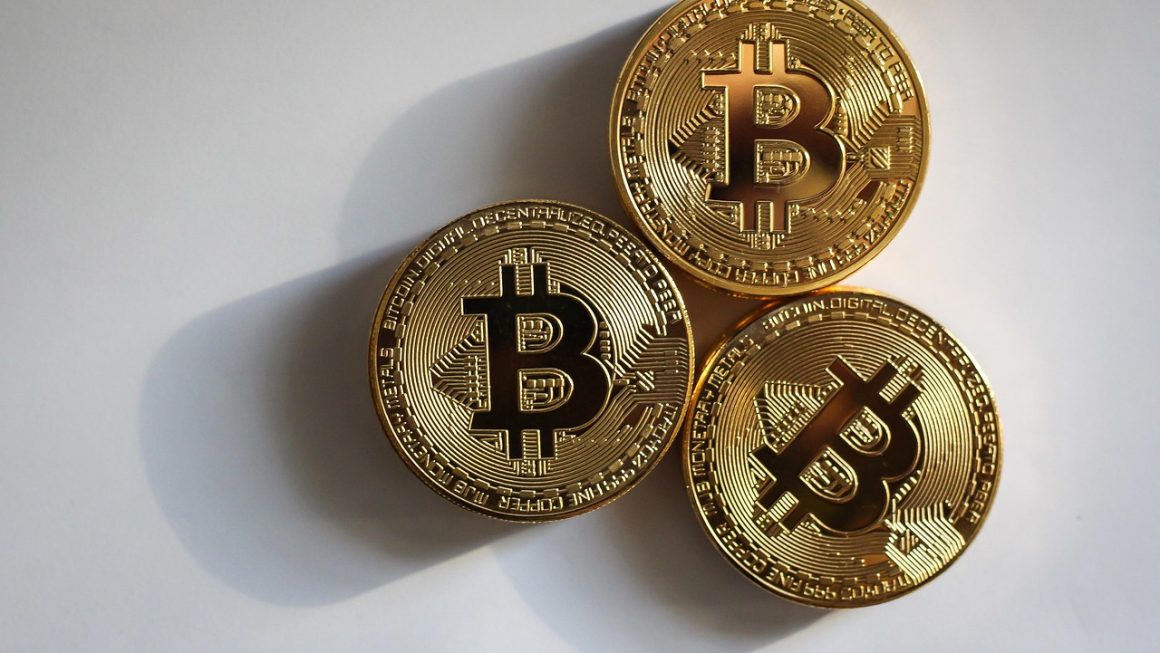
In the rapidly evolving world of digital finance, volatility has long been the primary barrier to mainstream adoption. While cryptocurrencies like Bitcoin and Ethereum offer revolutionary potential, their price swings often make them impractical for everyday transactions or stable wealth storage. Enter the stablecoin—a category of digital assets engineered to offer the best of both worlds: the speed and transparency of blockchain technology combined with the price stability of traditional fiat currencies. As the bridge between the legacy financial system and the decentralized web, stablecoins have become the lifeblood of the global crypto ecosystem.
Understanding Stablecoins: The Basics
What Exactly is a Stablecoin?
A stablecoin is a type of cryptocurrency whose value is pegged to another asset class, most commonly a fiat currency like the U.S. Dollar. Unlike volatile assets, the goal of a stablecoin is to maintain a 1:1 value ratio, providing a reliable medium of exchange for traders, businesses, and investors.
Why Do We Need Them?
- Reduced Volatility: They provide a “safe haven” during turbulent market cycles.
- Efficiency: They allow for near-instant global settlements compared to traditional banking systems.
- Liquidity: They act as a primary trading pair on almost every centralized and decentralized cryptocurrency exchange.
Types of Stablecoins
Fiat-Collateralized Stablecoins
These are the most common stablecoins, backed by physical reserves held by a central issuer. For every coin issued, there is theoretically an equivalent amount of fiat currency (or cash equivalents like Treasury bills) in a bank account.
- Examples: Tether (USDT), USD Coin (USDC).
- Key Advantage: High stability and ease of understanding for traditional investors.
Crypto-Collateralized Stablecoins
These are backed by other cryptocurrencies. Because the underlying collateral can also be volatile, these coins are “over-collateralized,” meaning the value of the crypto locked in reserves is significantly higher than the value of the stablecoins minted.
- Example: DAI by MakerDAO.
- Key Advantage: Fully decentralized and transparent, requiring no central authority to manage reserves.
Algorithmic Stablecoins
These do not rely on reserves. Instead, they use complex algorithms and smart contracts to manage the supply of the coin, effectively expanding or contracting the supply to keep the price pegged to its target.
- Key Advantage: They aim to be truly decentralized and independent of traditional financial institutions.
The Role of Stablecoins in DeFi
Yield Farming and Lending
Stablecoins are the primary assets used in Decentralized Finance (DeFi) platforms. By providing liquidity to these protocols, users can often earn interest rates (yields) that significantly outperform traditional savings accounts.
- Actionable Tip: Always research the underlying protocol’s security and audit history before depositing stablecoins into a liquidity pool.
Cross-Border Payments
Stablecoins have revolutionized international remittances. By bypassing traditional SWIFT banking networks, users can send millions of dollars across borders in minutes with minimal transaction fees, making it a preferred tool for international businesses.
Regulatory Landscape and Risks
The Importance of Transparency
Not all stablecoins are created equal. The primary risk associated with fiat-backed tokens is the lack of verifiable reserves. Transparency in auditing and regular “proof of reserves” reports are critical for investor confidence.
The Regulatory Future
Governments worldwide are increasingly scrutinizing the stablecoin market. Future regulations will likely focus on capital requirements, reserve auditing, and consumer protection. Investors should stay informed about legislative developments in their jurisdiction.
- Key Takeaway: Diversify your stablecoin holdings to mitigate the risk of a single issuer experiencing liquidity or regulatory issues.
How to Get Started with Stablecoins
- Choose a Trusted Exchange: Select a reputable platform that offers high liquidity for the stablecoin you intend to purchase.
- Select Your Stablecoin: Decide whether you prefer fiat-backed (USDC, USDT) or decentralized (DAI) options based on your risk tolerance.
- Store Securely: While exchanges are convenient, long-term storage is best handled by non-custodial wallets (e.g., Ledger or MetaMask) where you retain control of your private keys.
Conclusion
Stablecoins represent a fundamental pillar of the modern digital economy. By solving the inherent volatility issues of traditional cryptocurrencies, they have unlocked new possibilities for global payments, decentralized lending, and efficient capital allocation. Whether you are a retail investor looking to park funds during a market downturn or a business exploring faster payment rails, stablecoins offer a versatile solution. As the ecosystem matures and transparency improves, these digital assets will continue to narrow the gap between traditional finance and the decentralized frontier. Always conduct thorough due diligence, prioritize transparency, and keep a pulse on the evolving regulatory landscape to make the most of this financial innovation.