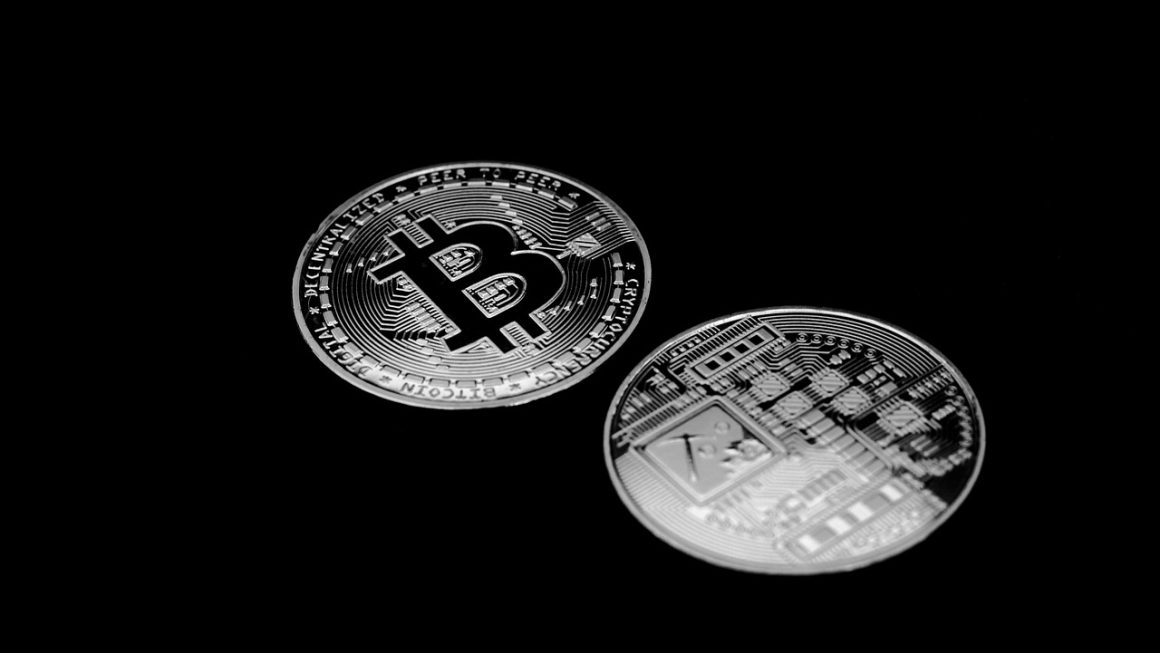
In the evolving landscape of digital finance, securing your cryptocurrency assets is no longer optional—it is a necessity. As cyber threats become increasingly sophisticated, leaving your digital coins on a centralized exchange or in a software (hot) wallet exposes them to significant vulnerabilities. Enter the hardware wallet: the gold standard for cold storage. By keeping your private keys offline and immune to internet-based attacks, these physical devices provide the peace of mind every crypto investor needs. Whether you are a long-term “HODLer” or an active trader, understanding how these devices function is the first step toward true financial sovereignty.
Understanding Hardware Wallets
What is a Hardware Wallet?
A hardware wallet is a physical electronic device designed to store your cryptocurrency’s private keys in a secure environment. Unlike software wallets, which are connected to the internet and susceptible to malware or phishing, a hardware wallet operates in an “air-gapped” state. This means your private keys never leave the device, ensuring that even if your computer is compromised, your funds remain untouched.
How Does It Differ from a Software Wallet?
The primary distinction lies in connectivity and security architecture. While software wallets are convenient for daily micro-transactions, they are fundamentally less secure due to their constant connection to the web. Key differences include:
- Connectivity: Hardware wallets stay offline; software wallets are always online.
- Security: Hardware wallets use a “Secure Element” (a specialized chip) to protect keys; software wallets store keys on your device’s memory.
- Recovery: Both use a recovery phrase, but hardware wallets offer superior physical tamper-resistance.
The Security Architecture
The Role of the Secure Element
Modern hardware wallets utilize a Secure Element (SE), which is the same technology found in high-end credit cards and biometric passports. This chip is specifically designed to resist physical tampering and side-channel attacks, making it nearly impossible for hackers to extract your private keys, even if they gain physical possession of the device.
Offline Key Generation
When you set up a hardware wallet, the device generates your recovery phrase (the 12 to 24-word master key) locally on the hardware itself. Because the device is not connected to a computer during this critical process, your keys are never exposed to the internet, eliminating the risk of key-loggers or remote access interception.
Key Features to Look For
User Interface and Screen
An integrated screen is a non-negotiable feature. It allows you to physically verify the address you are sending funds to. This protects you against “man-in-the-middle” attacks where a malicious program might try to swap the destination address on your computer screen.
Compatibility and Coin Support
Not all wallets support every cryptocurrency. Before purchasing, verify that the device supports the specific assets you plan to hold. Key considerations include:
- Multi-currency support: Does it handle Bitcoin, Ethereum, and your favorite altcoins?
- Token standards: Does it support ERC-20 tokens or NFTs?
- Third-party integration: Can it connect with software interfaces like MetaMask or Ledger Live for a better user experience?
Best Practices for Usage
Protecting Your Recovery Phrase
Your recovery phrase is the ultimate master key to your funds. If you lose your hardware wallet, the recovery phrase is the only way to regain access to your assets. Follow these golden rules:
- Never save your recovery phrase on a computer, cloud service, or smartphone.
- Write your phrase on physical paper or, preferably, an engraved metal plate to protect against fire and water damage.
- Store your recovery phrase in a highly secure, physical location, like a safe deposit box or a hidden home safe.
Buying Directly from the Source
Always purchase your hardware wallet directly from the manufacturer’s official website. Never buy a “used” or “refurbished” hardware wallet from marketplaces like eBay or Amazon, as these devices could be pre-configured with compromised software designed to steal your funds.
Conclusion
A hardware wallet is arguably the most critical investment you can make in your crypto journey. By shifting the responsibility of security from third-party services to your own hands, you are reclaiming ownership of your digital wealth. While the setup process may seem slightly more technical than a standard exchange account, the trade-off is unparalleled security and control. Remember: “Not your keys, not your coins.” Investing in a reliable hardware wallet is the simplest way to ensure your digital legacy remains secure for years to come.