
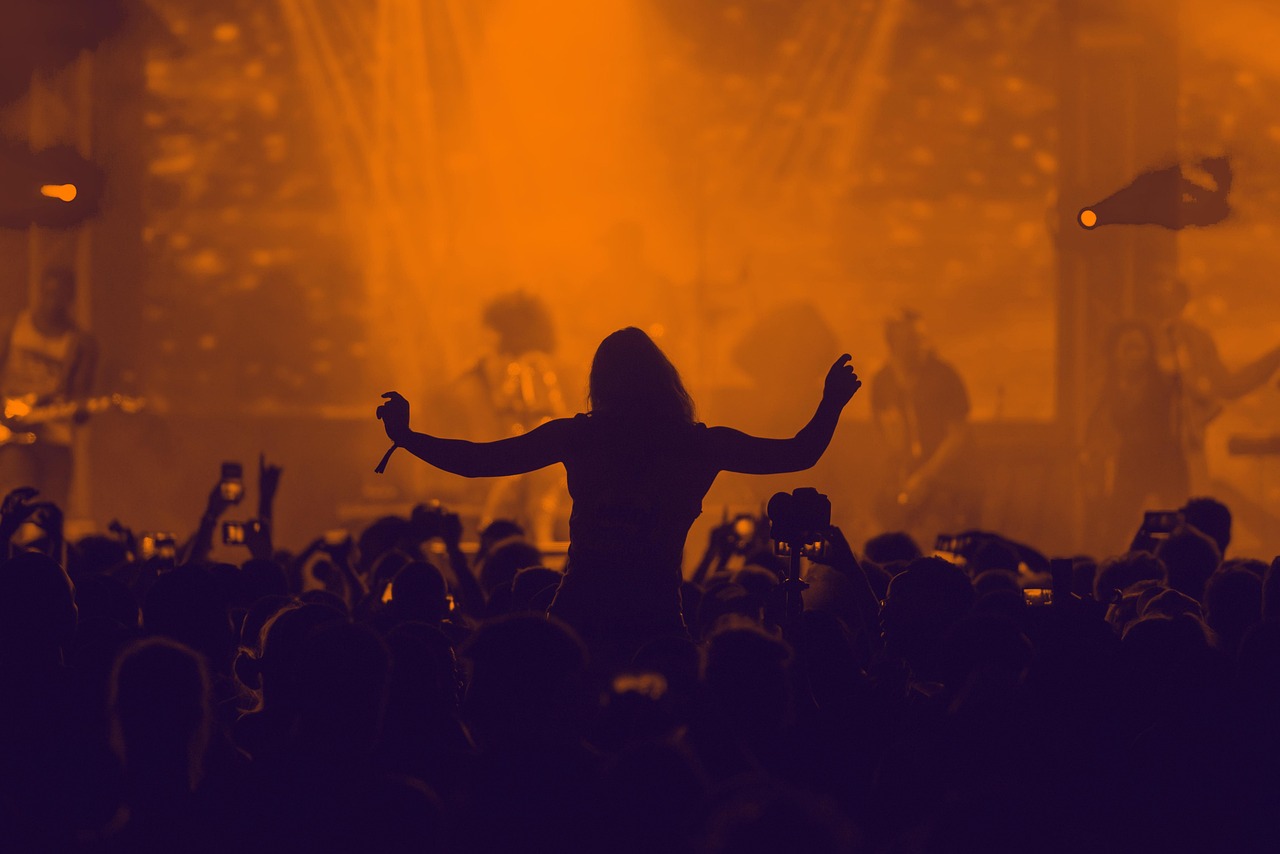
The landscape of live entertainment has undergone a seismic shift, moving beyond the physical limitations of stadiums and concert halls to the boundless digital frontier. A virtual concert is no longer just a fallback plan; it has evolved into a sophisticated, immersive experience that bridges the gap between artists and global audiences. By leveraging cutting-edge technology like augmented reality (AR), virtual reality (VR), and high-fidelity streaming, musicians are redefining what it means to perform, offering fans a front-row seat from the comfort of their own homes.
The Evolution and Technology Behind Virtual Concerts
From Live Streams to Immersive Environments
Early iterations of virtual performances were simple camera feeds broadcast over social media. Today, however, the industry has transitioned into extended reality (XR) environments. Artists now perform in green-screen studios where digital backgrounds react in real-time to the music, creating a cinematic experience that was previously impossible in a physical venue.
Key Technologies Driving Engagement
- Motion Capture: Allows artists to transform into digital avatars, as seen in groundbreaking performances within gaming platforms like Fortnite.
- 360-Degree Video: Provides viewers with the agency to control their perspective, mimicking the experience of turning one’s head in a physical crowd.
- Spatial Audio: Delivers a surround-sound experience through standard headphones, making the music feel physically present in the listener’s space.
Unmatched Accessibility and Global Reach
Breaking Geographical Barriers
The primary advantage of a virtual concert is the elimination of travel costs, ticket scarcity, and venue capacity limits. A single virtual event can host millions of simultaneous viewers, significantly increasing the potential revenue for artists while remaining accessible to fans in remote parts of the world.
Inclusive Experiences for Diverse Audiences
Virtual concerts offer features that make live music more inclusive, such as:
- Closed Captioning: Real-time lyrics for the hearing impaired.
- Adjustable Volume and Visuals: Allowing fans with sensory sensitivities to curate their own environment.
- On-Demand Viewing: The ability for fans to re-watch performances across different time zones.
Strategies for Creating an Engaging Virtual Performance
Interactivity is Essential
Unlike a traditional concert where the artist dictates the flow, virtual concerts thrive on two-way communication. Successful events integrate features that allow fans to feel like active participants rather than passive observers.
Practical Examples for Higher Engagement
- Real-time Polls: Allow fans to vote on the next song on the setlist.
- Live Q&A Sessions: Facilitate a direct connection between the artist and the audience during set breaks.
- Digital Merchandise Integration: Offer exclusive digital collectibles or “skins” that fans can purchase to showcase their support within the digital space.
The Financial Impact on the Music Industry
Monetization Models
Virtual concerts have opened up diverse revenue streams that extend beyond simple ticket sales. By digitizing the experience, artists and promoters can maximize their ROI through creative planning.
Key Revenue Drivers
- Tiered Ticketing: Offering basic access vs. VIP “meet and greet” digital experiences.
- Brand Sponsorships: Integrating products into the virtual environment that are non-intrusive but highly visible.
- Limited Edition NFTs: Issuing concert-specific digital assets as souvenirs or “proof of attendance” tokens.
Planning Your Own Virtual Event: A Checklist
Technical Preparation
A seamless broadcast is the backbone of a successful event. Always prioritize a stable, high-bandwidth connection and have redundant systems in place to prevent downtime. Testing the platform’s load capacity is vital to ensure that the stream does not lag during peak traffic.
Marketing and Promotion Tips
Marketing for a virtual show requires a digital-first approach. Focus on social media teasers that emphasize the unique visual elements of the show. Use countdowns on Instagram or Twitter to build anticipation and ensure that ticket purchase links are easily discoverable on all platforms.
Conclusion
The virtual concert is here to stay, not as a replacement for live touring, but as a powerful evolution of the music industry. By embracing the flexibility, reach, and interactivity of virtual platforms, artists can deepen their connection with fans while breaking through the traditional barriers of physical performance. Whether you are an independent musician looking to scale your audience or an event planner seeking new ways to engage, the digital stage offers limitless possibilities for those ready to innovate. As technology continues to improve, the line between the virtual and physical world will only continue to blur, ushering in a new era of music consumption.

