
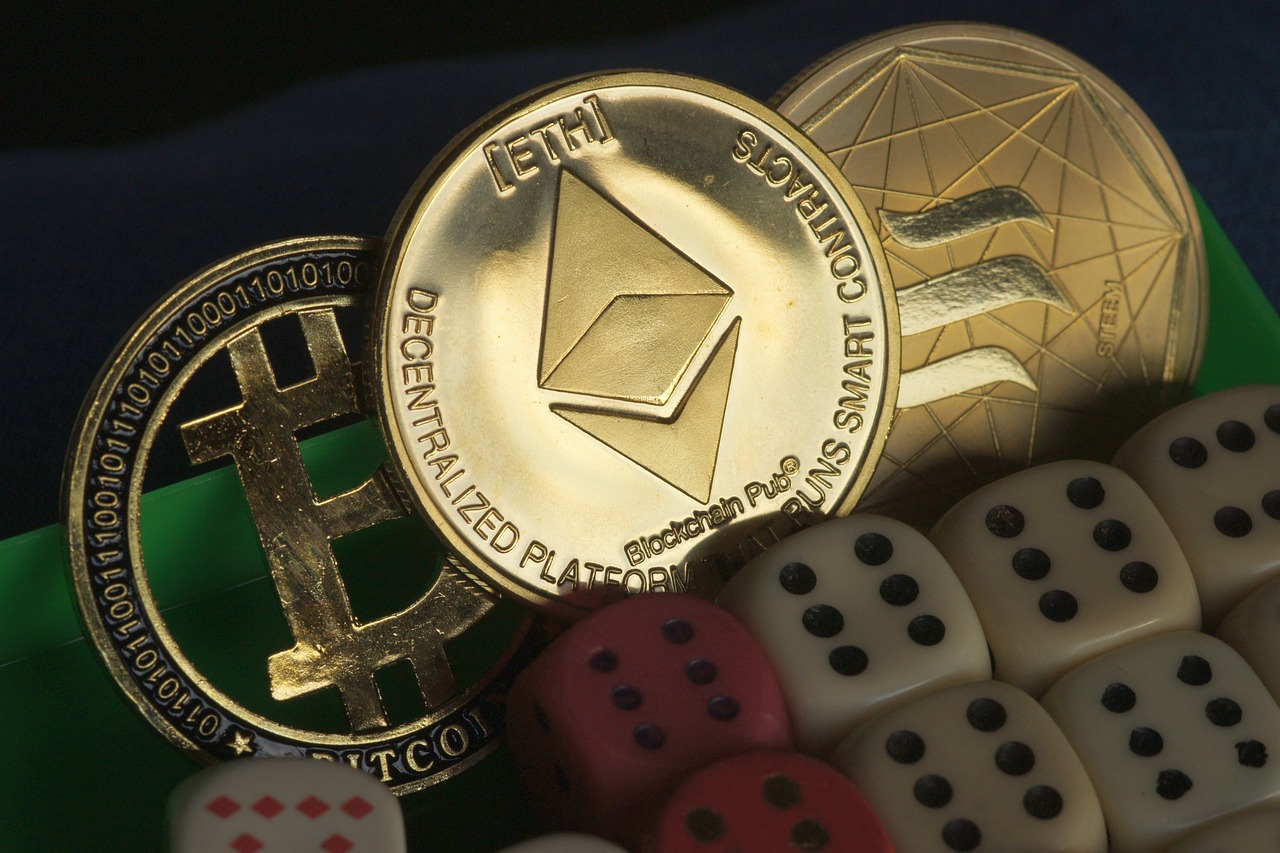
In the fast-evolving landscape of digital finance, the Initial Coin Offering (ICO) emerged as a revolutionary mechanism that transformed how startups raise capital. Often compared to an Initial Public Offering (IPO), an ICO bypasses the traditional, rigorous oversight of financial institutions, allowing projects to tap into a global pool of investors directly. While the hype surrounding ICOs peaked during the 2017 crypto boom, they remain a foundational element of the blockchain ecosystem, offering a unique bridge between innovative decentralized ideas and the necessary funding to bring them to market.
Understanding the Fundamentals of an ICO
What is an ICO?
An Initial Coin Offering is a crowdfunding method used by blockchain-based startups to raise capital. Instead of selling equity in a company, the project developers issue a new cryptocurrency token—often referred to as a “utility token”—to early investors. These tokens represent a future stake in the project’s ecosystem, such as access to a platform, voting rights, or internal transaction currency.
The Life Cycle of an ICO
Launching an ICO is a technical and strategic endeavor. The process typically follows these stages:
- Whitepaper Publication: A comprehensive document detailing the project’s technology, use case, tokenomics, and team.
- Token Creation: Developing the token, most commonly on existing blockchains like Ethereum (ERC-20).
- Marketing and Community Building: Creating awareness through social media, partnerships, and community forums.
- The Sale: The period where investors exchange major cryptocurrencies (like ETH or BTC) for the new project tokens.
Key Benefits of ICOs for Startups and Investors
Advantages for Entrepreneurs
For founders, the primary appeal of an ICO is the democratization of fundraising. Key benefits include:
- Global Reach: Access to a worldwide investor base without geographic restrictions.
- Lower Barriers to Entry: Avoiding the high costs and complex regulatory hurdles associated with traditional venture capital.
- Community Engagement: Early token holders become the project’s most vocal supporters and users.
Advantages for Investors
Investors are attracted to ICOs due to the potential for significant returns. Early-bird bonuses and low entry prices provide a unique risk-reward profile, potentially turning a small investment into a significant holding if the project achieves mainstream adoption.
Risks and Regulatory Challenges
Common Risks to Consider
The unregulated nature of early-stage crypto investments means risks are inherently high. It is essential to be aware of:
- Project Failure: Many startups lack the infrastructure to deliver on their whitepaper promises.
- Lack of Oversight: The prevalence of “rug pulls” or fraudulent projects targeting inexperienced investors.
- Volatility: Crypto assets are notoriously volatile and can lose significant value shortly after launching on exchanges.
The Evolving Regulatory Landscape
Governments worldwide are increasingly scrutinizing ICOs to protect consumers. In many jurisdictions, token sales must now comply with securities laws (such as the SEC’s Howey Test in the United States). Projects are now often opting for Security Token Offerings (STOs) or Initial Exchange Offerings (IEOs) to ensure better legal standing and investor protection.
Best Practices for Evaluating Potential Projects
Conducting Due Diligence
Before contributing to any token sale, investors should perform rigorous research. Ask yourself the following questions:
- Who is the team? Are they transparent, and do they have a track record in blockchain development?
- Is the whitepaper realistic? Does the project solve a genuine problem, or is it just buzzword-heavy marketing?
- What is the Tokenomics structure? How many tokens exist, and how are they distributed among founders and investors?
Actionable Takeaways for Smart Investing
- Verify the Smart Contract: Ensure the code has been audited by reputable firms like CertiK or Hacken.
- Check Community Sentiment: Use platforms like Discord, Telegram, and Twitter to gauge developer responsiveness.
- Diversify: Never put more than a small percentage of your portfolio into a single, unproven ICO.
The Future of Token Fundraising
From ICOs to IEOs and IDOs
The market has shifted away from the “wild west” era of ICOs toward more structured models. Initial Exchange Offerings (IEOs) rely on centralized exchanges to vet projects, while Initial Decentralized Offerings (IDOs) utilize decentralized exchanges (DEXs) to facilitate fairer, transparent token launches. These models represent the maturation of the industry, prioritizing security and long-term viability over short-term hype.
Conclusion
Initial Coin Offerings represent a pivotal chapter in the history of decentralized finance. While they carry significant risks, they have undeniably paved the way for innovation in blockchain, gaming, and decentralized applications. For investors, success lies in thorough due diligence and a cautious, long-term approach. As regulations become clearer and technology more sophisticated, the methods of raising capital will continue to evolve, likely blending the best of traditional finance with the borderless, transparent nature of the blockchain. Always prioritize research and stay informed about the shifting landscape to navigate the exciting world of crypto fundraising safely.
