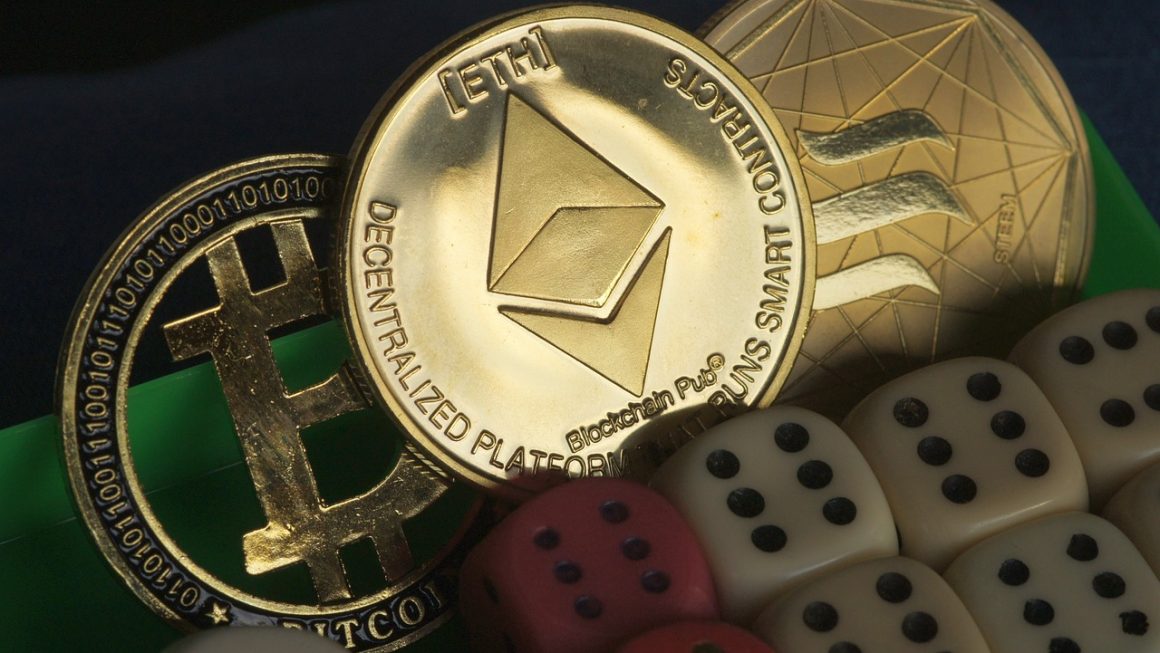
In the fast-paced world of cryptocurrency and decentralized finance, you have likely encountered the acronym DYOR—”Do Your Own Research”—repeated across social media platforms like X (formerly Twitter), Telegram, and Discord. While it often sounds like a dismissive disclaimer used by influencers to avoid legal liability, it is, in reality, the single most important mantra for any investor navigating digital asset markets. As the industry matures, the ability to discern high-quality projects from “rug pulls” or scams has shifted from an optional skill to an absolute necessity for capital preservation.
The Foundations of DYOR
Why Research Matters
Unlike traditional stock markets, which are heavily regulated and feature standardized financial reporting, the crypto landscape is largely permissionless. This lack of centralized oversight means that anyone can launch a project, which creates significant opportunities but also inherent risks. DYOR is your primary defense against emotional decision-making and predatory marketing tactics.
The Core Objectives of Research
- Risk Mitigation: Identifying red flags before you commit funds.
- Conviction Building: Understanding the “why” behind an asset, which helps you hold through market volatility.
- Avoiding Herd Mentality: Preventing “FOMO” (Fear Of Missing Out) by basing decisions on data rather than social media hype.
Analyzing Fundamental Indicators
Whitepapers and Documentation
The whitepaper is the project’s manifesto. A legitimate project will provide clear technical documentation that explains the problem they are solving and the mechanism behind their tokenomics.
- Does the whitepaper explain the utility of the token?
- Is the technology feasible, or does it promise impossible breakthroughs?
- Look for a clear roadmap that outlines realistic development milestones.
Tokenomics: The Economic Engine
Tokenomics, or token economics, dictates how a token is distributed and its potential for long-term value. Key metrics to look for include:
- Total Supply vs. Circulating Supply: A large gap between these two can lead to massive sell pressure as tokens unlock.
- Allocation: Ensure that a disproportionate amount of tokens is not held by the development team, which could allow them to dump the price.
- Deflationary/Inflationary Mechanisms: Understand if the project has a burning mechanism or an aggressive inflation schedule.
Evaluating the Team and Community
Due Diligence on Founders
The human element is often the strongest indicator of a project’s success. While anonymity is common in crypto (e.g., Bitcoin’s Satoshi Nakamoto), you should still vet the team’s background.
- Check their LinkedIn or GitHub profiles. Have they worked on reputable projects before?
- Are they transparent about their identity, or do they hide behind pseudonyms without a proven track record?
Community Sentiment
A project is only as strong as its community. Use tools like Telegram and Discord to gauge the atmosphere.
- Are the admins answering technical questions, or just “shilling” the price?
- Does the community foster discussion, or is it an echo chamber that bans anyone with critical questions?
Leveraging On-Chain Analytics
Tools of the Trade
You don’t need to be a developer to track blockchain data. Using block explorers and analytical platforms can give you a transparent look at where the “smart money” is moving.
- Etherscan/BscScan: Use these to check contract addresses and see if the liquidity is “locked” or “burned.”
- Dune Analytics: Great for visualizing community-created dashboards regarding user growth and volume.
- DefiLlama: The industry standard for checking the Total Value Locked (TVL) in various protocols.
Spotting Red Flags
Always watch for “honey-pot” indicators. If a contract address has no verified code or the liquidity pool is entirely owned by one wallet, it is highly likely to be a scam.
Building Your Own Investment Framework
The Checklist Approach
To avoid emotional bias, create a simple checklist for every project you consider:
- Is there a working product or MVP (Minimum Viable Product)?
- Does the project solve a real-world pain point?
- Is the market cap realistic, or is it already overextended?
- What are the primary competitors, and how is this project different?
Practical Tip: Keep a digital journal or spreadsheet where you record the date, the project name, the thesis for your investment, and the specific metrics you checked. This creates a feedback loop that helps you improve your research process over time.
Conclusion
DYOR is not a one-time task; it is a continuous mindset. In a decentralized ecosystem, the responsibility for your financial security rests entirely on your shoulders. By analyzing whitepapers, scrutinizing tokenomics, vetting team members, and utilizing on-chain data, you move from being a speculative gambler to an informed investor. Remember, the goal of research isn’t just to find the next 10x opportunity—it is to protect your capital while identifying assets with sustainable long-term potential. Start small, verify everything, and never invest money you cannot afford to lose.