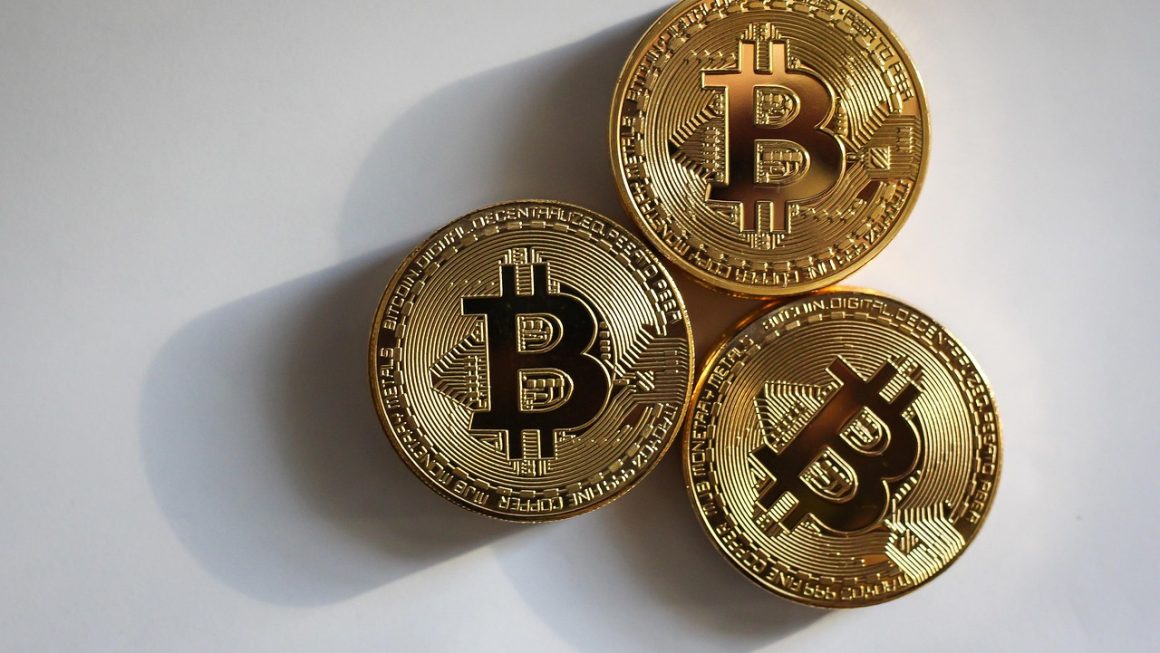
In the rapidly evolving landscape of decentralized finance and blockchain technology, the term tokenomics has emerged as a cornerstone concept for investors, developers, and project founders alike. Often described as the “economic DNA” of a cryptocurrency, tokenomics—a portmanteau of “token” and “economics”—refers to the structural design, supply mechanics, and incentive systems that govern a digital asset. Understanding these mechanics is no longer optional; it is a prerequisite for anyone looking to navigate the volatile crypto market with a critical eye, as the long-term viability of any blockchain project is inextricably linked to how its native token is engineered to behave.
Understanding the Foundations of Tokenomics
What is Tokenomics?
Tokenomics encompasses the entire ecosystem of rules that define how a token is minted, distributed, and utilized. It goes beyond simple price action, focusing instead on the game theory, human psychology, and mathematical models that encourage stakeholders to act in ways that benefit the network’s health and longevity.
The Core Objectives
A well-architected tokenomics model seeks to achieve several key goals:
- Utility: Providing a clear, necessary use case for the token within the platform.
- Sustainability: Ensuring the project can function indefinitely without depleting its resources.
- Incentivization: Rewarding positive behaviors, such as staking or providing liquidity.
- Governance: Empowering holders to have a say in the project’s evolution.
Supply Dynamics and Scarcity
Max Supply vs. Circulating Supply
The total supply of a token is arguably the most critical metric for valuation. Projects typically fall into two categories:
- Fixed Supply (Deflationary/Hard-capped): Similar to Bitcoin, these tokens have a maximum limit, creating inherent scarcity.
- Unlimited/Inflationary Supply: These projects rely on emission schedules to reward network participants, similar to how traditional fiat currencies are printed to manage economic activity.
Emission Schedules and Halving
Many protocols implement an emission schedule—a roadmap that defines when and how new tokens are released. Mechanisms like Bitcoin’s “halving”—which reduces the block reward by 50% every four years—are designed to combat inflation and promote long-term price appreciation by systematically reducing the sell-side pressure.
The Role of Utility and Demand Drivers
Driving Organic Demand
For a token to maintain its value, it must be useful. Without utility, a token is merely a speculative asset. Common utility models include:
- Governance Rights: Holders vote on protocol upgrades or treasury spending.
- Gas/Transaction Fees: The token is required to execute smart contracts or send assets on the network.
- Access/Staking: Users stake tokens to access premium features or earn yield.
- Burning Mechanisms: Protocols may “burn” (permanently destroy) tokens to reduce supply, theoretically increasing the value of remaining tokens.
Practical Example: The Ethereum EIP-1559
The introduction of EIP-1559 changed Ethereum’s tokenomics by burning a portion of the transaction fees. This mechanism transformed Ethereum into a potentially deflationary asset during periods of high network activity, directly linking demand for the network to the scarcity of the ETH token.
Distribution and Allocation Strategy
Fair Launches vs. Venture Backed
How a project allocates tokens initially sets the tone for its community sentiment. Common allocation segments include:
- Public/Community Sale: Democratizes access to early investors.
- Founders/Team Allocation: Typically subject to multi-year vesting schedules to prevent “rug pulls” and align long-term incentives.
- Treasury/Ecosystem Fund: Reserves held to fund development, marketing, or grants.
- Private Sale/VC: Often provided at a discount, these tokens usually have strict lock-up periods to protect retail investors from immediate massive sell-offs.
Actionable Takeaway
When analyzing a new project, always check the vesting schedule. If a large percentage of tokens is held by the team or VCs and unlocks in a short timeframe, it poses a significant risk of dumping, which can crash the market price.
Analyzing Tokenomics Risk Factors
Identifying Red Flags
Not all tokenomics are built to succeed. Investors should watch for the following warning signs:
- High Concentration: If a few wallets hold 50%+ of the supply, the project is highly susceptible to manipulation.
- Vague Utility: If the token exists only to raise money without a clear role in the ecosystem, it is likely a speculative bubble.
- Excessive Inflation: If rewards for farmers or stakers are too high, the resulting sell pressure will quickly outweigh organic demand.
The Importance of Liquidity
A project with excellent tokenomics can still fail if there is no liquidity. Ensure the token is traded on reputable decentralized or centralized exchanges with enough depth to handle buy and sell orders without triggering extreme slippage.
Conclusion
Tokenomics is the framework that bridges technology and finance. By analyzing how a project manages its supply, rewards its users, and sustains its utility, you gain a clearer picture of its potential for long-term survival. As you explore the world of Web3, remember that a beautiful website or a hyped community is no substitute for solid, sustainable economic design. Always prioritize projects with transparent distribution, clear utility, and well-thought-out emission schedules. By mastering the fundamentals of tokenomics, you empower yourself to make data-driven decisions in one of the most exciting and complex financial frontiers of our time.