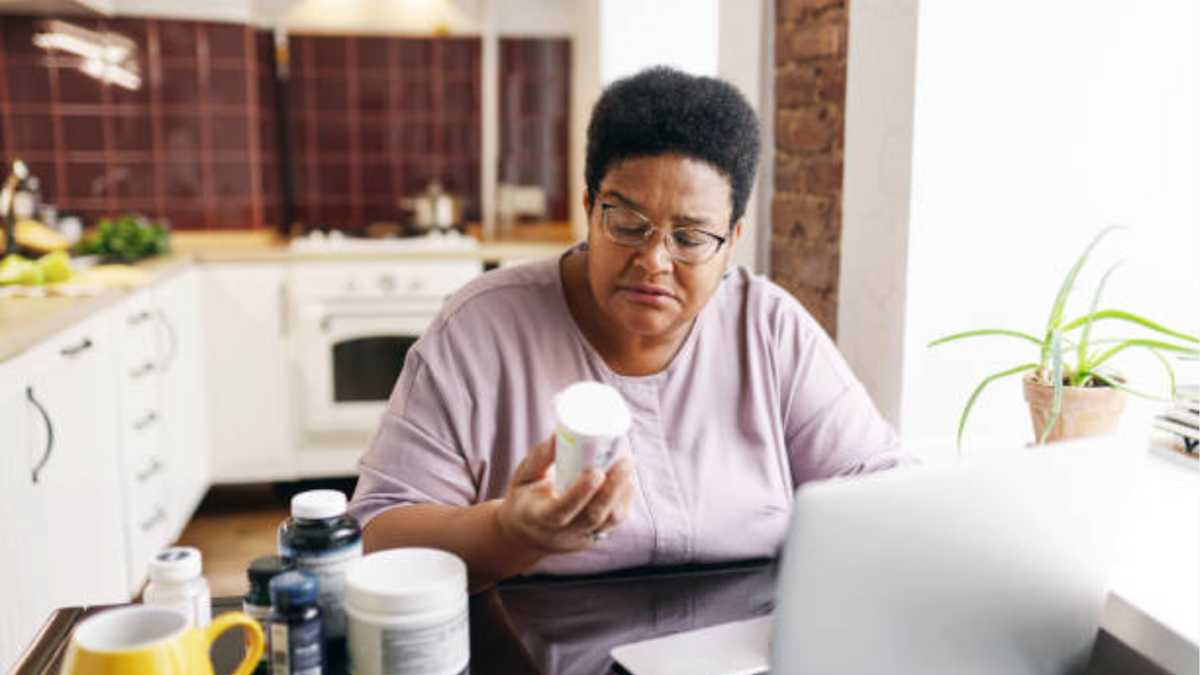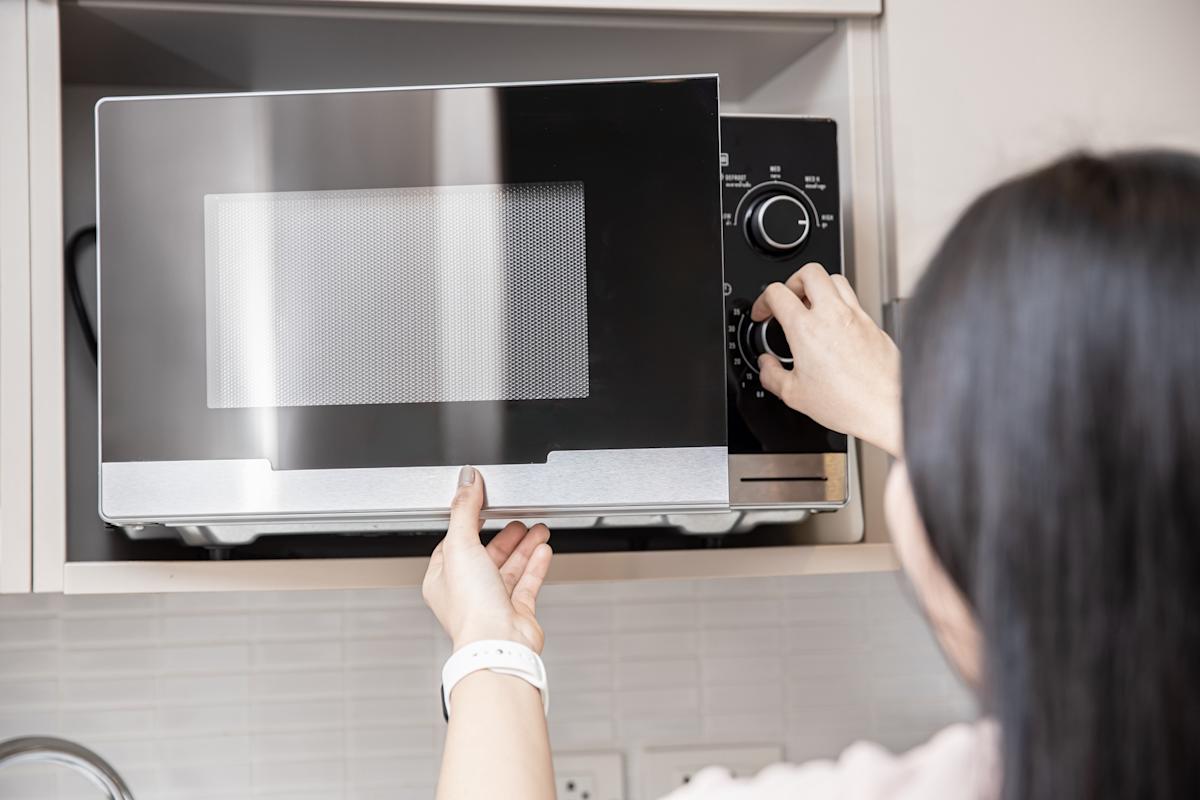
We’ve all done it – put last night’s leftovers in a plastic container and pop them directly into the microwave. But scientists are raising new concerns about what happens to plastic when it encounters microwave heat.
What happened?
A new analysis of previous research takes a closer look at the harm microplastics can pose to human health, including when plastics are used to store food, the health report said.
Researchers determined that microplastics are thought to harm our reproductive, digestive and respiratory health and may be linked to diseases such as lung and colon cancer.
“We found harm everywhere we looked,” Katie Pelch, a senior scientist at the Natural Resources Defense Council, told Health.
Research has found that heating plastic food in a microwave for just three minutes can release millions of tiny plastic particles into the food, which can then be ingested by humans. Containers used for frozen food can also shed microplastics because freezing weakens the plastic.
Why is microwaveable plastic a concern?
Carmen Mast, a professor of environmental health at Emory University’s Rollins School of Public Health, said putting leftovers in plastic containers in the microwave is a bad idea because “it really helps these chemicals leach out of the plastic and into the food,” Health reported.
Microplastics are now found in the air, water and soil, which means we are exposed to them every day in a variety of ways. If we increase exposure simply by reheating food, it could exacerbate the health effects scientists are already concerned about.
What can we do about this?
For families, this means rethinking how food is stored and reheated. Glass, ceramic or stainless steel containers are widely considered safer alternatives. Many glass and ceramic containers are microwave safe and will not increase your exposure to microplastics.
Even if you want to use plastic food containers in the refrigerator, experts recommend transferring leftovers to a plate, glass or ceramic container before microwaving. We can also reduce exposure by avoiding single-use plastic packaging wherever possible.
The issue is indicative of the wider need to reduce plastic production and waste – not just for human health but also for environmental reasons. Getting rid of disposable products can also save you money in the long run.
|
Which of these rooftop solar panel savings plans appeals to you the most? Save $1,000 this year Save less this year, but $20,000 in 10 years Less savings in 10 years, but $80,000 in 20 years I can’t afford to go solar Click on your selection to see the results and earn rewards to spend on home upgrades. |
The production of plastic increases atmospheric pollution and reduces air quality. Additionally, plastic often ends up in landfills, where it breaks down into microplastics that find their way into our oceans, drinking water, soil, and food. Studies have even found microplastics and nanoplastics seeping into the edible parts of vegetables through soil exposure.
By choosing alternatives to plastic, we can reduce the harm plastic causes to the environment, water resources, wildlife and human health.
Get TCD’s free newsletter for simple tips to save more, reduce waste and make smarter choices, and earn up to $5,000 toward clean upgrades in TCD’s exclusive Rewards Club.