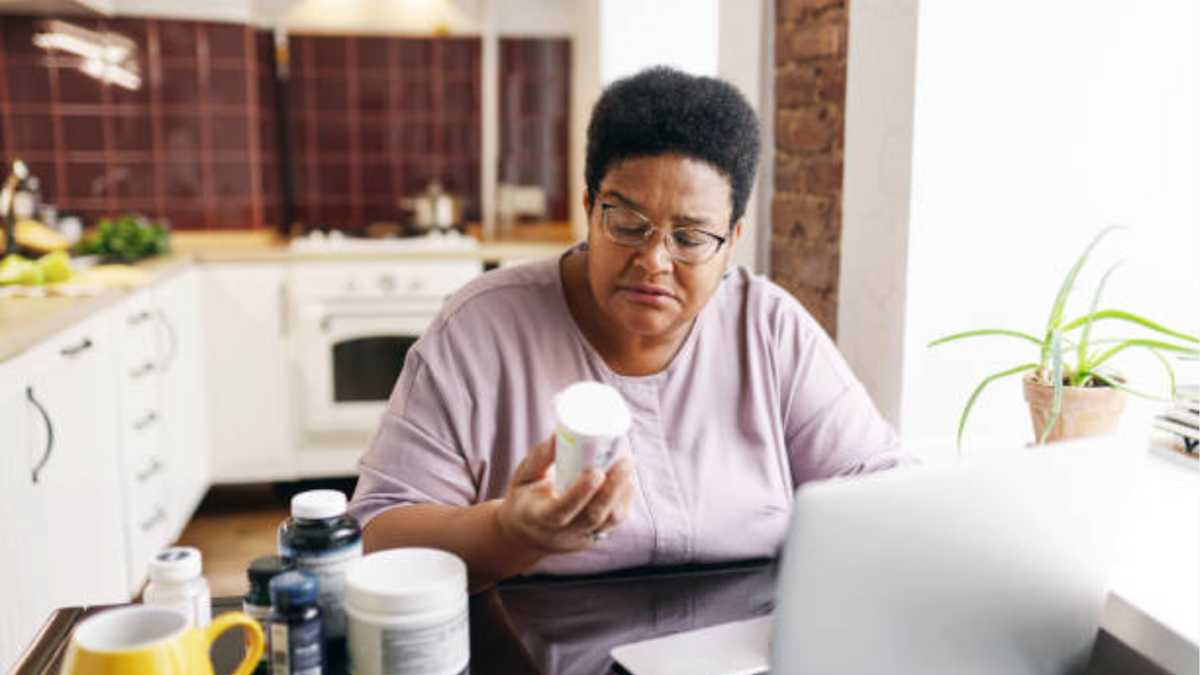
GLP-1 drugs (such as Ozempic and Wegovy) work by mimicking GLP-1, a natural hormone in the body. In addition to helping regulate blood sugar after a meal, these medications can suppress appetite and slow the rate of gastric emptying. The result? You stay full longer, your appetite is reduced, and your blood sugar is less likely to spike after eating.
Their popularity has surged in recent years. In the 2025 KFF Health Tracking Poll, one in eight U.S. adults reported taking GLP-1 drugs (also known as glucagon-like peptide-1 receptor agonists). These drugs were originally approved to control blood sugar levels in people with type 2 diabetes and later became widely used for weight loss.
Because GLP-1 medications can change the function of your gut and metabolism, it’s wise to double-check your supplementation routine. While most supplements appear harmless, some may interact with these medications, causing unwelcome side effects—such as gastrointestinal (GI) problems, nutritional deficiencies, and even dangerous hypoglycemia.
To help find out which supplements don’t interact well with GLP-1 medications, we asked the experts which ones you should skip so you can stay safe and feel your best.
1. Fat Burners and Stimulants
If you are already taking GLP-1 medications, adding an over-the-counter fat burner is not recommended.
“One supplement I recommend avoiding with GLP-1 are fat-burning products or products that contain stimulants. You’ll also see these products marketed as ‘thermogens’ or ‘metabolism boosters,'” says nutritionist Ana Reisdorf, MS, RD, founder of GLP-1 Hub. “These often contain ingredients such as caffeine, green tea extract, guarana, yohimbine or synephrine (bitter orange).”
Fat burners are popular over-the-counter medications that promise to boost metabolism and accelerate weight loss, or provide a quick energy boost before a workout.
But it’s not a good idea to combine them with GLP-1 drugs. “GLP-1 already affects appetite, digestion and how quickly food passes through the stomach. Adding stimulants to this may make gastrointestinal side effects, especially nausea, worse,” Reisdorf said.
They can also further suppress appetite, making it more difficult to meet protein and nutrient needs—a challenge these drugs already present.
2. Magnesium oxide
Magnesium is an important mineral that supports muscle function, sleep and nerve health. Magnesium oxide, in particular, is a common and inexpensive form often used to relieve occasional constipation.
However, if you use GLP-1, it may not be the best choice.
“Magnesium oxide is inherently poorly bioavailable, with healthy individuals actually absorbing only 1 to 2 percent,” says Daniel Ghiyam, MD, a board-certified physician at MedPodLA.com. “GLP-1 drugs alter intestinal motility and transit times, making absorption more unpredictable. Anything not absorbed can draw water into the colon, which can take things from manageable to painful for patients who already have their gastrointestinal symptoms under control.”
In other words, malabsorption combined with slowed digestion can lead to bloating, cramping, or diarrhea.
If you’re taking a magnesium supplement, consider forms like magnesium glycinate or magnesium L-threonate, which are easier to absorb. A health care provider can help you choose the right option.
3. Berberine
Berberine is a plant compound popular on social media as a “natural” way to support blood sugar and metabolic health. Some studies suggest it may help improve cholesterol, reduce insulin resistance and support weight management.
But pairing it with a GLP-1 drug could be risky.
“Berberine, along with GLP-1, can create a compound effect that lowers blood sugar, which can lead to hypoglycemia,” says Grace Engels, R.D., of Grace Engels Nutrition. “If you add in appetite suppression, you may experience dizziness, fainting, or worse in severe cases.”
4. Alpha-lipoic acid
Alpha-lipoic acid (ALA) is an antioxidant found naturally in foods such as spinach, broccoli, and yeast. As a supplement, it is often used to control nerve pain, reduce inflammation, and lower blood sugar.
Like berberine, ALA can improve insulin sensitivity and lower blood sugar. Because GLP-1 drugs already perform this effect, adding ALA may increase your risk of hypoglycemia, which can cause you to shake, sweat, and be weak.
5. Supplement viscous fiber
Viscous fiber supplements like psyllium and glucomannan are often taken to support digestion, lower cholesterol, or promote a feeling of fullness. They work by absorbing water and forming a gel-like substance in the intestines, which slows digestion.
But for GLP-1 drugs, this effect may be counterproductive.
“GLP-1 receptor agonists already delay gastric emptying and increase satiety, so layering supplements that further slow digestion can enhance satiety and reduce overall tolerance,” says Kerri Louati, MS, RD, LDN, CDE, director of clinical operations for women’s health at LifeMD.
In short, you might feel too full—even uncomfortable. If you’re already experiencing nausea or bloating, these supplements may make it worse.
Best Supplements to Take with GLP-1 Medications
While it’s best to avoid certain supplements, others can help manage common side effects. Because GLP-1 drugs suppress appetite, the risk of nutritional deficiencies is higher.
Here are some options to discuss with your healthcare provider.
-
Protein powder: Eating less can make reaching your protein goals difficult. High-quality protein powder helps maintain lean muscle mass during weight loss.
-
Vitamin B12: It’s common to feel tired when you’re on a calorie deficit. B12 supplements can help fill any gaps and support energy levels and neurological health.
-
Vitamin D: Not enough for many. It plays a key role in bone health, which is especially important during rapid weight loss.
-
Electrolytes: Dehydration can happen quickly if you experience nausea or vomiting. Sugar-free electrolyte packets can help maintain fluid balance.
-
Multivitamins: If you’re worried about eating less and lacking key nutrients, a multivitamin can give you added peace of mind.
Additional nutritional tips when taking GLP-1 medications
Supplements are only part of the picture. Your daily habits are also important. Here are some simple ways to help minimize side effects and support a balanced diet.
-
Eat smaller meals more frequently: Large meals can cause bloating and nausea due to slower gastric emptying.
-
Prioritize hydration: Appetite suppression makes it easy to forget to drink water. Keep a reusable water bottle within easy reach.
-
Focus on fiber: Constipation is common. Stick to bland foods like chia seeds or cooked vegetables.
-
Chew thoroughly: Digestion begins in the mouth. Fully decomposing food can reduce the burden on the stomach.
FAQ
Can magnesium be taken with GLP-1 medications?
Yes – but type matters. Magnesium oxide is more likely to cause digestive problems, while other forms of magnesium oxide are better tolerated.
“If a patient really needs magnesium—and most caloric-restricted patients do need magnesium—they should try magnesium glycinate. Supplement form and bioavailability are more important than people realize,” Ghiyam said.
Magnesium glycinate is well absorbed and is unlikely to cause a laxative effect.
Should I take probiotics while taking GLP-1 medications?
Probiotics may help, especially if you suffer from bloating or constipation. The key is to choose a research-backed strain that matches your symptoms and overall gut health goals. When in doubt, talk to your doctor or other health care professional to find the best probiotic supplement for your needs.
Meet our experts:
-
Carey Luati, MS, RD, LDN, CDE, Director of Clinical Operations, Women’s Health, LifeMD.
-
Grace Engels, Registered Dietitian at Grace Engels Nutrition.
-
Daniel Gillam, M.D., board certified physician at MedPodLA.com.
-
Anna Reisdorf, MS, RD, Nutritionist and Founder of GLP-1 Hub
Our health content is for informational purposes only and is not intended as professional medical advice. Please consult a medical professional with questions regarding your health.