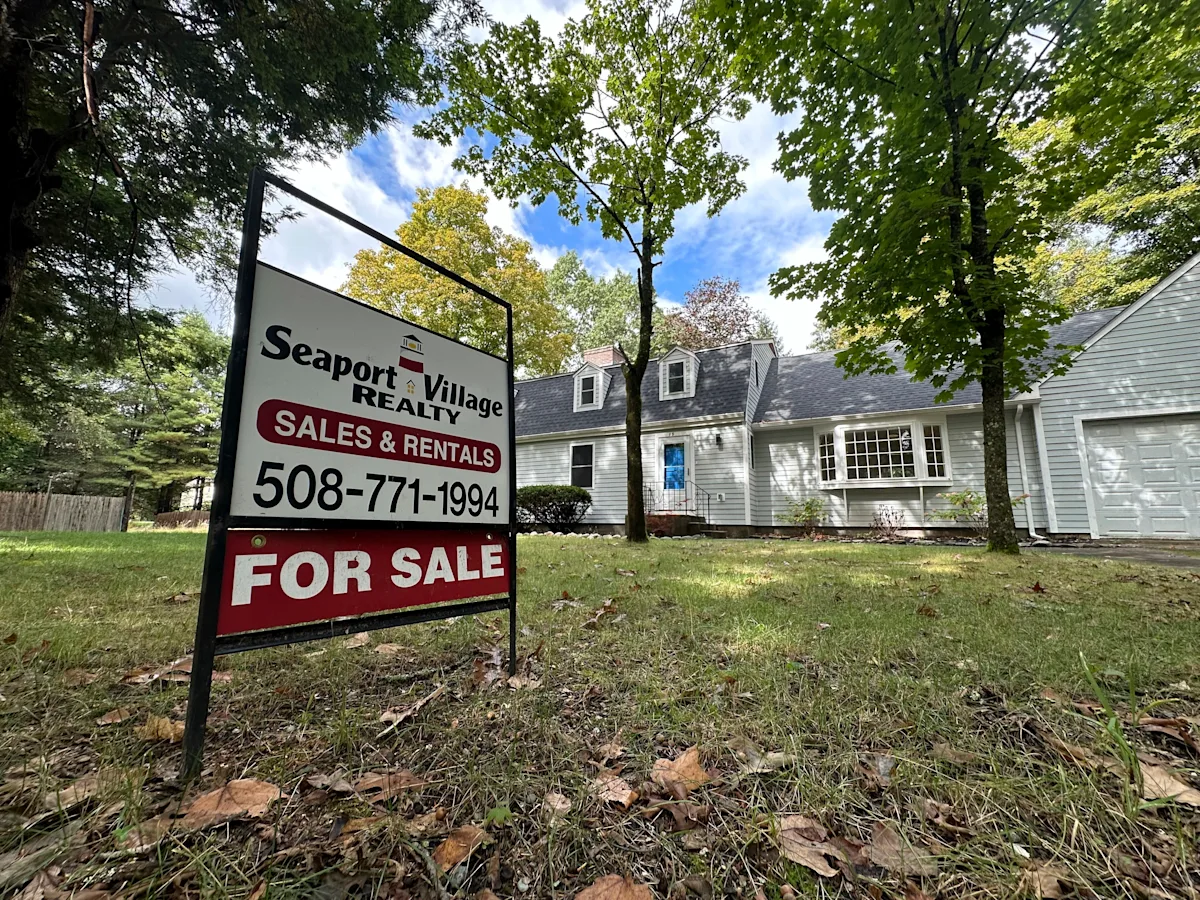
Homes are staying on the market longer, according to Realtor.com data. The typical home for sale spent 64 days on the market in November 2025, three days more than the same time last year and nine days more than in 2022. You may be wondering: If the housing market cools, does that mean home prices are falling? The answer depends on a variety of factors, especially where you buy your home.
By many measures, home prices are indeed falling. A November report from Realtor.com showed that 28 of the nation’s 50 largest metropolitan areas saw annual home price declines. The other six cities saw no year-over-year median price changes.
According to the U.S. Census Bureau, the median home price in the second quarter of 2025 was $410,800, down from $423,100 at the beginning of the year. Housing inventory is also improving, which bodes well for home prices in the coming months. (More homes on the market means less competition, which often means sellers need to lower their prices to win over buyers.)
The total active inventory of homes for sale increased by 12.6% between November 2024 and November 2025, with 18% of listings seeing a price reduction last month, according to Realtor.com.
Still, the national housing inventory is lower than before the pandemic, and we’re unlikely to see a significant increase in listings until mortgage rates fall. Although home loan rates are gradually falling, many existing homeowners are still reluctant to give up the 3% mortgage rates they obtained early in the pandemic. Additionally, more and more sellers are taking their homes off the market because they are unable to receive the amount they want for their homes due to buyer affordability issues.
Most forecasts expect house price growth to gradually slow next year. Fannie Mae’s home price index, which measures year-over-year price growth, is expected to fall to 1.3% by the end of 2026 from 2.5% this quarter. That could mean improved affordability for buyers across the country.
But if you want or need to buy a home before home prices drop, choosing your market carefully can be a good way to get a good deal.
In San Diego, for example, where home prices fell more than 5% last year, the typical home stayed on the market two days longer than it would in November 2024. More than half of all listings in the 50 largest metropolitan areas are experiencing price reductions.
Here are some of the markets where house prices have fallen the most:
Home prices aren’t falling everywhere, though—28 of the 50 largest metro areas have seen housing costs fall, meaning home prices are stagnating or rising in the 22 largest cities. The Northeast is the main region in the United States where home prices continue to rise. For example, since November, the median home price in the Hartford, Conn., metropolitan area has increased 5.6%, and in Pittsburgh, home prices have increased 4.3%.
Waiting for more inventory or lower mortgage rates isn’t the only way to afford a home.
If you own a home in the near future, here are some strategies to consider.
-
Keep an eye on refinancing when buying. You can hit the market today with a home in your price range and look to refinance in the future. While you may get less house for your budget, you can start building equity. When interest rates drop, you can refinance your mortgage to a lower rate or even a different type of mortgage entirely.
-
Start small. While it may not be your dream home, you can find housing happiness in today’s market by buying a condo or buying a lot and building a tiny house on it. Both types of homes cost much less than a single-family home and can help you build equity that can be converted into cash when you’re ready to expand.
-
Modular. No, these are not mobile homes. Modular homes are homes that are built to look like a single-family home. The only difference is that they are built as modules offsite and assembled when they arrive on your lot. They also cost 10 to 20 percent less than conventionally built homes.

Buying a home in 2026 could be a good thing because interest rates are likely to gradually decline by then, according to industry forecasts from Fannie Mae and the Mortgage Bankers Association. Home price growth is also expected to slow in some parts of the U.S.
Typically, when supply exceeds demand, home prices fall and sellers must lower their prices to attract buyers. As of November 2025, housing supply is increasing, but inventory in the Northeast has not yet returned to pre-pandemic levels.
If your finances are in good shape and you’re at the right stage in your life, now might be a smart time to buy a home. Interest rates remain stubbornly high, but not extremely high. House price growth has also slowed, with many markets seeing price declines in recent months.
Laura Grace Tarpley Edited this article.