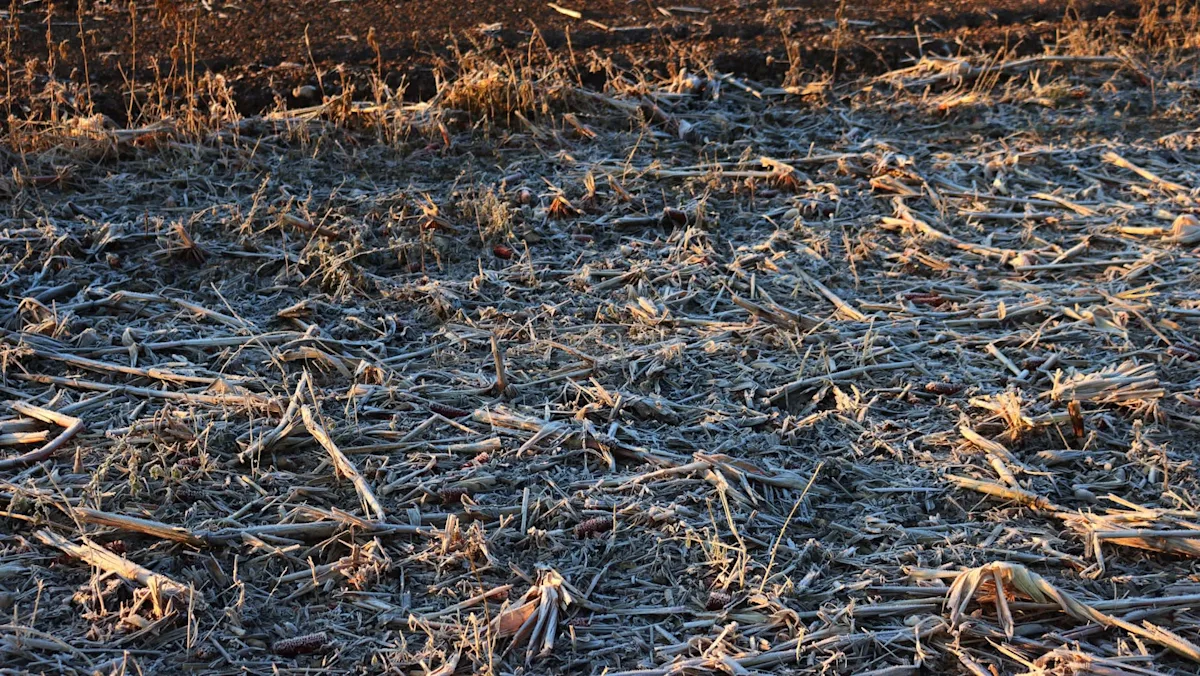
Farmers in parts of western India are facing a shocking setback due to erratic cold weather conditions. Frosts have recently begun damaging crops that families depend on for their livelihoods.
What happened?
Several villages in Jaisalmer district of Rajasthan reported widespread frost on crops after several days of severe cold, The Times of India reported. According to farmers, freezing temperatures freeze the water inside the mustard pods, preventing the seeds from forming properly. Fennel crops, especially those in early stages of growth, are also affected.
Meteorological experts said Jaisalmer has been facing severe cold wave weather for four consecutive days, which they said has turned the region into a “cold chamber”.
The timing couldn’t be worse for farmers. Many countries have invested heavily in seeds, irrigation and labor – costs that are unrecoverable when crops fail. Livestock farmers are also struggling as cold nights make it harder to keep animals healthy and maintain feed supplies.
Why is this “cold room” a concern?
While cold waves are not unheard of in desert areas (Jaisalmer is located in India’s Thar Desert), the severity and duration of frost events are becoming increasingly less predictable and more devastating when they arrive suddenly.
For farmers, even a few frost-affected mornings can mean the difference between a good harvest and financial loss. When crop yields decline, the impact isn’t limited to farmers’ wages; reduced supplies can drive up food prices in the region, strain household budgets and destabilize already-stressed rural economies.
These extreme temperature swings—from long periods of warmth to sudden freezes—disrupt the growing cycles that farmers rely on to survive. Similar disruptions are already affecting food systems elsewhere, from droughts disrupting cereal harvests to unseasonal weather causing sharp declines in fruit yields, illustrating how fragile agriculture can become when conditions change too quickly for crops to adapt.
What can we do in the face of erratic weather?
A yellow cold alert has been issued for Jaisalmer, with meteorologists warning that similar conditions may continue for several more days before help arrives around mid-January. Farmers can take as many steps as possible to protect their crops, such as following recommendations in official crop contingency plans, but it is by no means foolproof.
More research into how rising global temperatures are reshaping seasonal patterns is necessary to understand and address the larger factors that contribute to weather instability. Reducing the amount of pollution humans produce can help slow the effects of the climate crisis.
In the longer term, agricultural experts are looking for ways to adapt, including pushing for improved early warning systems for volatile weather changes, frost-resistant crop varieties and better regional planning to help farmers prepare for sudden extreme temperatures.
Get TCD’s free newsletter for simple tips to save more, reduce waste and make smarter choices, and earn up to $5,000 toward clean upgrades in TCD’s exclusive Rewards Club.

