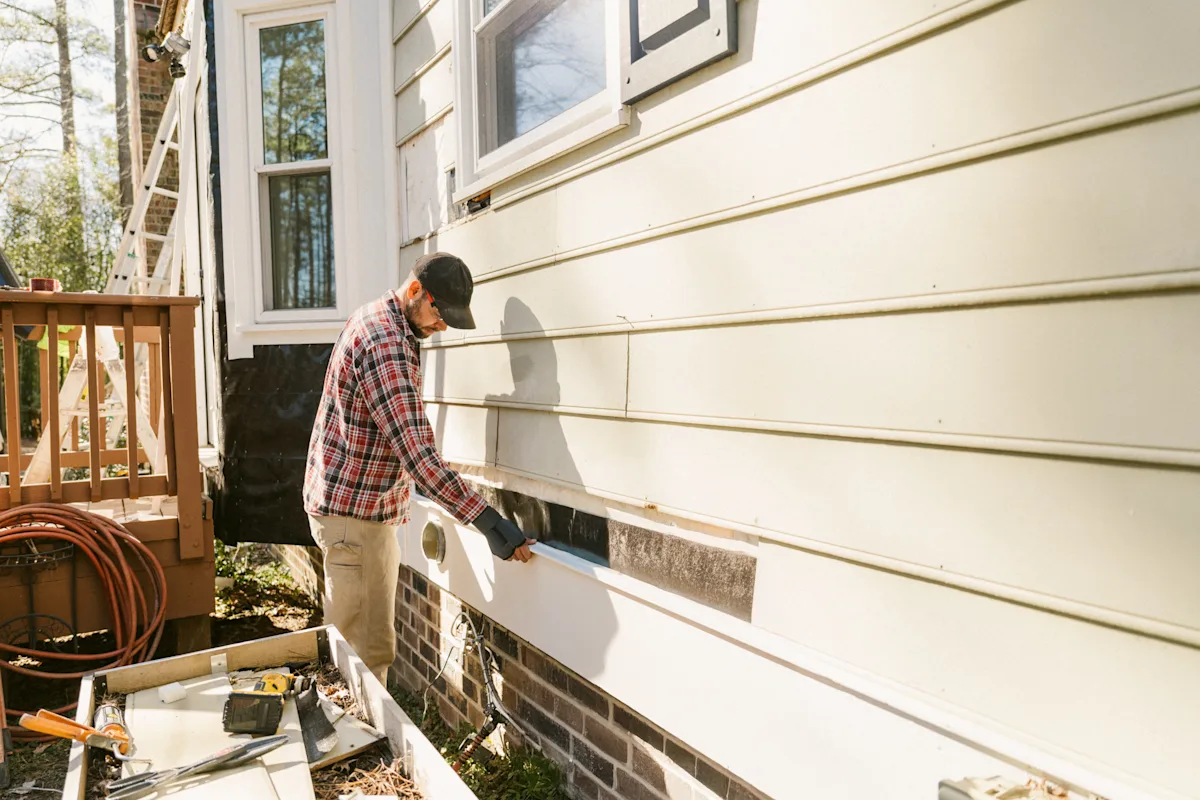
Once you file a home or auto insurance claim, your insurance company may have some recommendations for a repair shop or contractor to handle the cleanup and repairs. Insurer referrals typically come from a preferred provider network or preferred provider program. The network includes service providers who have agreements with insurance companies to provide faster service and sometimes lower prices in exchange for a steady stream of referrals.
While this list can be helpful, especially if you’ve already dealt with a loss, insurance companies don’t always make it clear how preferred provider programs work. This can lead to confusion or frustration if the provider’s work or priorities don’t exactly align with your expectations as a policyholder.
learn more: Homeowners Insurance: What It Covers and How Much You’ll Pay
A preferred provider plan is kind of like the property insurance version of a PPO, except there’s no requirement that you stay in-network. Instead of working with doctors and hospitals, property and casualty insurance companies build networks of approved contractors, auto repair shops, home restoration companies and other service providers. The goal of building such a network is to help insurance companies maintain predictable pricing, speed repairs and streamline the claims process.
Using a preferred supplier can take some of the stress out of finding a trustworthy repair shop or contractor after an accident or unexpected damage. For example, when you’re already dealing with the stress of a disaster like a house fire, a burst pipe, or a severe storm like a tornado, the last thing you want to do is find someone reliable to handle the cleanup and repairs. Therefore, using a recommended professional can take some of the burden off and help speed up the repair and recovery process.
learn more: How to get paid after a homeowners insurance claim
The motivation behind a preferred vendor program ultimately comes down to managing costs and making the claims process more efficient. Claims are often one of the largest expenses for an insurance company, and by using established pricing and repair guidelines, insurance companies can control costs and project management.
“Insurance companies require preferred vendors to hold appropriate licenses and certifications to meet industry and legal standards,” explains Amanda Phelan, account manager at Phelan Insurance Agency.
“This means policyholders can feel confident working with professionals who have been vetted for quality and compliance. In many cases, estimates are automatically approved when using preferred vendors, which helps speed repairs and reduce claims delays.”
In addition to managing costs, insurance companies can use preferred supplier programs to make the claims process more manageable. When a provider understands how an insurance company’s claims process works, it can help reduce delays and keep repairs running smoothly. This is especially helpful when many policyholders file claims at the same time (such as after a big storm).
learn more: An insurance expert says what I learned after my tornado insurance claim
While using a preferred provider may feel like the most convenient option, it’s important to remember that their agreement is with the insurance company, not you. So while it may simplify a few steps, it doesn’t always mean you’ll get the quality of repair and level of communication you expect.
When your insurance company provides a list of recommendations, they may not always make it clear that you do not need to use their preferred provider. In many states, laws are in place to prevent insurance companies from pressuring policyholders to do this. These protections, often called anti-bootstrapping laws, allow your insurance company to recommend contractors and service providers, but they cannot require you to choose from their list.
“In most cases, policyholders have the right to choose their own contractor,” Phelan explains. “The advantage of working with a preferred provider is that the insurance company already has a relationship with the company, understands their workflow, and claims are likely to progress faster and more smoothly.”
However, in some states, such as Florida, insurance companies may include “right to repair” provisions or managed repair programs in their policies. When an insurance company sets this provision, it essentially allows the insurance company to choose who handles your repairs. That’s why it’s important to understand how your insurance policy works and what your rights are as a policyholder.
learn more: Florida Auto Insurance: Why Experts Recommend More Than Minimum Coverage
After a claim, selecting a preferred supplier seems like the best way to get the project started. It can save you time and some stress, but there are trade-offs to consider.
-
Timely maintenance: Preferred vendors already understand the insurance company’s claims process, so they may be able to start the project faster and make repairs more smoothly.
-
Pre-screened contractors: Searching for a reliable contractor can feel overwhelming, especially if you don’t have one in mind yet. Preferred vendors are usually licensed, insured, and screened by insurance companies, which can give you peace of mind about their qualifications and the quality of their work.
-
Reduce back and forth: The claims process can involve many different steps. Since preferred vendors can often communicate directly with insurance companies, this may reduce the amount of coordination you have to manage yourself.
learn more: How much does homeowners insurance cost? Cost reduction guide.
-
Possible conflicts of interest: Some preferred suppliers may rely heavily on insurance companies for their business, which can sometimes affect how they handle your repair or the materials they choose. This means your best interests may not always be the highest priority when the job is done.
-
Quality may vary: Just because a vendor is on the preferred list, it doesn’t necessarily guarantee they’ll deliver a great job. While some vendors are excellent, others may rush or miss important details.
-
If problems arise, reduce leverage: If the repair doesn’t meet your expectations, resolving the issue may be more challenging. Providers who work closely with insurance companies may focus on maintaining a strong relationship, which may make subsequent repairs slower or more difficult. If the problem is not properly addressed, it can lead to more problems down the road.
learn more: What doesn’t home insurance cover?
Beyond your preferred provider, the claims process can still be confusing. It’s important to know that the line between the insurance company’s advice and your own liability can sometimes get a little blurry. After a major loss, such as a fire or flood, you can call your insurance company and ask for a referral to a cleanup or restoration company. This is helpful when you need someone quickly, and emergency cleanup is usually covered by your policy, up to your limits.
learn more: How much does flood insurance cost in each state??
But this is where things get harder to navigate.
Some companies, such as recovery or mitigation companies, may handle both emergency services and reconstruction efforts. At this point, it may not be clear to you that these are actually two separate jobs, and you have the right to choose who to hire for each. Even if you decide to hire one company to perform both services, each service may have its own contract. In other words, once the emergency work is completed and the rebuilding phase begins, a new agreement will begin between you and the company.
If you don’t take the time to vet their background or check the quality of their work, the responsibility ultimately falls on you. That means you may end up incurring additional costs or dealing with disputes if problems arise later.
learn more: Planning a home renovation? Be sure to let your insurance company know.
Understanding the Allocation of Benefits (AOB) Agreement
Another thing you may encounter is that some companies may require you to sign an Assignment of Benefits (AOB) before starting work. This agreement allows them to work directly with your insurance company to manage claims and collect payments, but it also removes you from the process. Therefore, if you encounter any problems or disputes, you may not have much say in how the problem is resolved.
Remember, AOBs are not limited to preferred vendors; they can also suggest companies you contact yourself. Therefore, it is important to understand what an AOB means and avoid signing anything you do not fully understand.
When you’re responding to a disaster, details can easily get overlooked. But when you understand the process, it can help you avoid surprises and feel more prepared when making decisions.
learn more: How to Buy Homeowners Insurance in 5 Steps
Deciding whether to hire your own contractor or work with a preferred supplier ultimately depends on your situation and comfort level. For example, if you have a smaller claim, such as a cracked windshield or minor water damage, a preferred supplier may be best suited to get the job done in a timely manner.
But for larger or more complex claims, such as major fire damage, it’s a good idea to get some quotes and compare contractors so you can choose the one you’re most comfortable working with.
learn more: Actual Cash Value vs. Replacement Cost: Understanding the Differences in Home Insurance
“At the end of the day, homeowners should have confidence in the people working on their homes,” Phelan said. “If you meet your preferred supplier and something doesn’t feel right, look elsewhere. You’re the one doing the repairs, so trust is just as important as time or cost.”
Generally speaking, you have the right to choose who to hire to complete a project, even if your insurance company provides you with a list of referrals. Just make sure you check your policy to see if there are any repair provisions. That way, if your policy limits your ability to choose your own provider, you’ll know what to expect and how to handle the claims process.
As a homeowner, you generally have the right to choose who to hire, as long as your policy doesn’t say otherwise. So even if your insurance company provides a list of preferred providers, you don’t need to use them. With this in mind, be sure to compare several bids and choose a contractor you feel comfortable and trust working on your home.
Working with a preferred vendor can help speed up the claims process and keep things more organized. Keep in mind that convenience may come with some trade-offs.
Because preferred providers often have ongoing relationships with insurance companies, their decisions may not always align with your exact preferences. That’s why it’s important to research your options and choose a contractor who puts your needs first.
When deciding on a contractor, start by checking their past work and reviews to make sure you’re satisfied with the quality of their workmanship. Then confirm they are licensed and insured to protect themselves. From there, write everything down clearly and compare some bids so you can feel confident you’ve chosen the right one.
not necessarily.
“One of the most common misconceptions is that preferred suppliers will reduce quality or cut corners to save the insurance company money,” Phelan said. “In fact, these providers are expected to adhere to professional and regulatory standards, and most insurance companies monitor them for compliance and customer satisfaction.”
Still, keep in mind that experience levels may still vary from company to company. Even with an insurance company’s oversight, it’s a good idea to check the estimate, ask questions, and make sure you’re happy with any contractor working on your home.