With Antarctica added to the list, bird flu has officially wreaked havoc on every continent except Oceania. A recent study led by Erasmus Medical Center in the Netherlands and the University of California, Davis, confirms this disturbing news.
What happened?
A team of researchers has concluded that more than 50 skuas died in Antarctica during the summer of 2023 and 2024 due to the highly pathogenic avian influenza virus H5N1. They published the study in the journal Scientific Reports and presented their findings in a press release.
Skuas are close relatives of seagulls and play an important role in cold environments. Their role as scavengers in the ecosystem means that contagious skuas can spread bird flu widely.
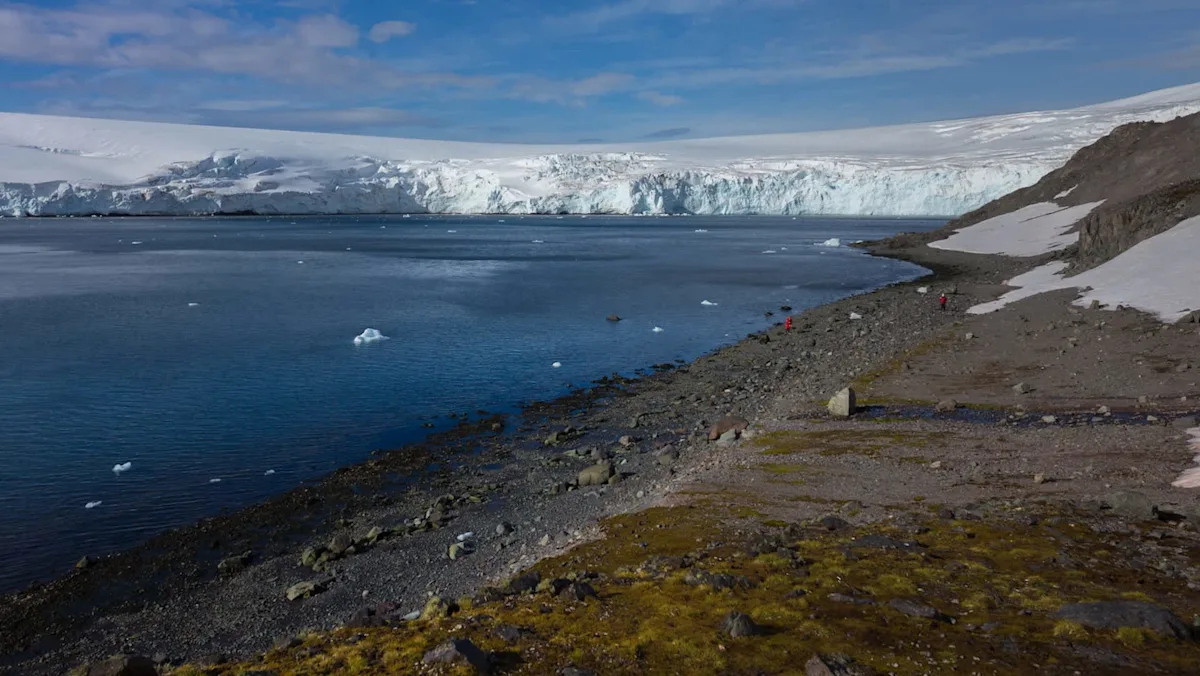
During expeditions to the South Shetland Islands, the northern Weddell Sea and the Antarctic Peninsula, the team tested wildlife samples and confirmed H5N1 at all locations. While bird flu has been detected there before, this study is the first to confirm the virus as a cause of death in animals.
While other animals, such as fur seals, have been infected with the virus, their deaths have not been attributed to it.
“As the expedition progressed, it quickly became apparent that skuas were the primary victims,” said co-senior author Ralph Van Streis of the University of California, Davis.
Van Stries paints a morbid picture of an “animal suffering crisis” in which viruses attack the brains of birds, causing them to fall from the sky, swim and walk aimlessly.
Why is the spread of avian influenza important?
The H5N1 virus was first discovered on a goose farm in China in 1996 and has since spread around the world in patterns that have troubled researchers.
“When viruses first emerged in the poultry industry, we let them slip through our fingers,” said corresponding senior author Thijs Kuiken of Erasmus Medical Center. “Once it enters wild bird populations, we lose the ability to control this virus.”
Avian influenza has now struck almost every corner of the globe, causing adverse effects. Across the United States, large farms are affected, and both humans and animals are affected. The virus shows great adaptability, being able to change when its host is either a human or a cow.
There are also concerns that cats may spread the virus to humans on a large scale.
Further research suggests that a massive decline in skua populations could spell more trouble for the already threatened Antarctic region. There are concerns it could infect penguins in the future.
What measures have been taken against avian influenza in Antarctica?
Researchers are calling for increased global surveillance and prevention measures to better track avian influenza in Antarctica.
“Everything points to further spread of this virus,” Kuiken concluded. “If no one is watching, we won’t know what’s going on.”
Get TCD’s free newsletter for simple tips to save more, reduce waste and make smarter choices, and earn up to $5,000 toward clean upgrades in TCD’s exclusive Rewards Club.