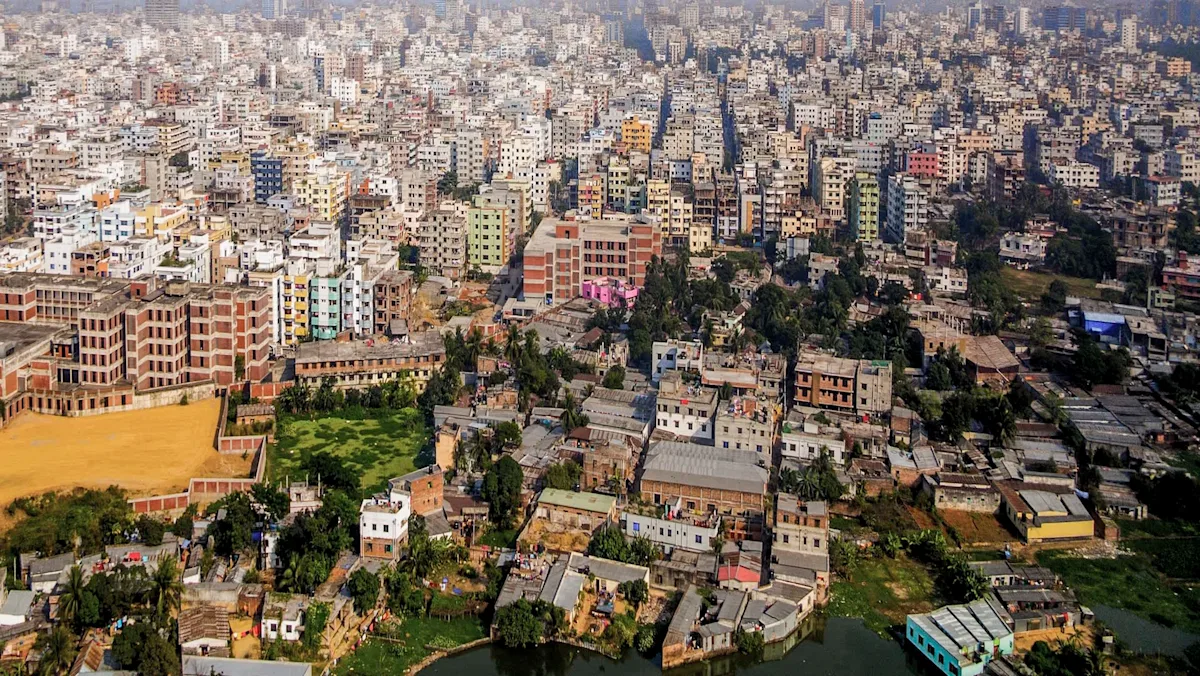
A large number of venomous snakes near and within Bangladesh’s capital Dhaka has alarmed officials in recent months, amid concerns that rapid urbanization may be driving the reptiles out of their natural habitat.
What happened?
In 2025, government officials and groups such as the Bangladesh Animal Welfare Society rescued hundreds of snakes in and around Dhaka, environmental news outlet Mongabay reported.
At least 351 were captured in “populated” areas between January and November 1. Mongabay reported that 319 of these were poisonous.
Adnan Azad of the association told Daily Tribune Bangladesh that some snakes were found as high as the ninth floor of some buildings. Once captured, experts release the animals back into the wild.
Why save snakes? Why is this important?
Experts such as Md Sohel Rana, a herpetologist at the Wildlife Center of the Bangladesh Forest Department, worry that habitat loss due to human activities is the main reason for the surge in the number of snakes in residential areas.
“Reducing water bodies, deforestation, industrialization, urbanization and human destruction of snake habitats are the reasons why snakes are found in urban homes,” Rana told Mongabay. Habitat loss also affects the snakes’ food sources, he noted.
“Most wildlife have lost their habitat due to rapid changes in the landscape,” Rana continued. “As a result, they often sneak into human settlements in search of food and shelter.”
A study by the Initiative for Change found that Dhaka lost more than 60% of its water bodies between 1980 and 2024. Zoologist Farid Ahsan told Daily Tribune Bangladesh that the Padma cobra is one of the snakes that prefers water environments such as rivers and ponds. The Change Initiative also found that about 56% of the region’s grassland and farmland has also been lost.
These losses also pose risks to city residents. A study cited by Mongabay shows that of the 89 species of snakes native to Bangladesh, about 30% are venomous. Increased numbers of snakes driven from their natural habitats into densely populated areas may increase the risk of snake bites.
What are you doing?
Speaking to Mongabay, Rana noted that social media has increased awareness of snake rescue in the city and spreads information on how to approach snakes safely.
These animals typically do not attack unless they feel threatened, but tense human-wildlife encounters are not necessarily impossible in densely populated cities. The more people are aware that snakes may be lurking around the corner, the better for all parties.
Raising awareness of potential dangers to humans and wildlife, and what may be causing such dangers, is key to effective action. Supporting the protection of natural habitats by protecting and restoring large tracts of land can help provide wildlife with the space and resources they need to survive—away from busy residential communities.
Get TCD’s free newsletter for simple tips to save more, reduce waste and make smarter choices, and earn up to $5,000 toward clean upgrades in TCD’s exclusive Rewards Club.