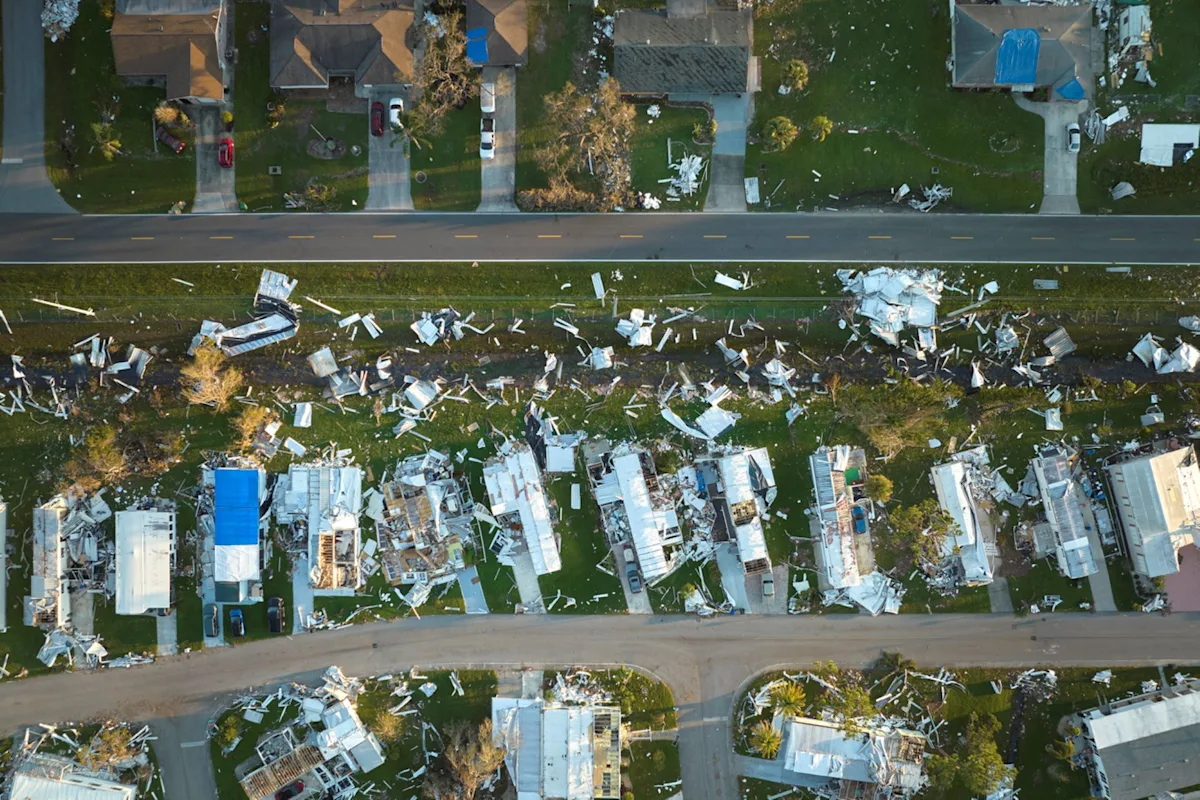

As the frequency and intensity of extreme weather events continues to increase across the United States, millions of homeowners in the most vulnerable areas of the country are at risk of losing their insurance.
According to a report from the First Street Foundation, 39 million homes are insured through private companies. However, the threat of natural disasters has triggered a series of events in the insurance industry that could jeopardize the financial security of these homeowners.
Because each state regulates its private insurance market and can cap policy rates, premiums don’t necessarily reflect the risks involved for homes in areas prone to wildfires, hurricanes and flooding, the study from the nonprofit Climate Research Corporation noted.
As a result, major insurance companies like Allstate and Nationwide no longer find it profitable to stay in these high-risk areas, leaving current and potential customers scrambling to find alternatives.
Florida, for example, has seen four insurance companies leave last year, while State Farm in California is no longer accepting new applicants.
Homeowners have had no choice but to turn to government-run insurance that costs thousands of dollars a month and now face the dilemma of paying soaring insurance costs or simply moving. When premiums rise, property values plummet.
Grist noted that for California residents where wildfires continue to cause problems, premiums are expected to quadruple given future risks, which would result in a 39% drop in property values, according to the First Street Foundation report.
The report had a darker outlook for residents of Louisiana and Florida, where hurricanes and flooding are the most common extreme weather events. According to Grist, for residents of Plaquemines Parish, near New Orleans, a flood insurance policy could jump from $824 to $11,296 per year — a staggering increase of about 1,270 percent — completely wiping out property values in the area.
“Reports show that as climate impacts emerge, actuarially sound pricing will make life unaffordable in some places. This is alarming and well documented,” said David Russell, a professor of insurance and finance at California State University, Northridge.
