-
Oil supplies remain plentiful, but jet fuel and petrochemical feedstocks are straining.
-
Goldman Sachs warned that fuel buffers are rapidly depleting, raising risks for aviation and industry.
-
Although crude supplies are abundant, refining bottlenecks and trade frictions have led to shortages.
The Iran war has sparked a global scramble for oil and disruption in the Strait of Hormuz has hampered one of the world’s most important energy shipping routes, but the global economy is not running out of oil.
Goldman Sachs analysts warned in a recent report that China may be short of critical petroleum fuel to keep planes flying and industrial supply chains running.
“The pace of depletion and supply losses in some regions and products is concerning, with readily available refined product buffers rapidly approaching very low levels,” Goldman Sachs analysts wrote in a note on Monday.
That’s because, while overall oil inventories remain above critical levels, shortages are emerging in specific refined products, notably jet fuel, petrochemical feedstocks such as naphtha, and liquefied petroleum gas used to make plastics and chemicals.
Goldman Sachs estimates that global commercial product inventories have fallen to about 45 days of demand, compared with about 50 days before the recent disruption.
By comparison, total global oil inventories require about 101 days.
Stockpiles of naphtha, a key feedstock for plastics and industrial chemicals, have fallen sharply, with stocks in Fujairah, the United Arab Emirates, down 72% since the end of February and stocks at the Amsterdam-Rotterdam-Antwerp hub in northwestern Europe down 37%.
Outside China, parts of Asia and Europe appear particularly vulnerable to refined fuel shortages. South Africa, India, Thailand and Taiwan are among the more vulnerable markets, Goldman Sachs analysts wrote.
Even where crude oil is available, it can’t always be converted into usable fuel quickly enough. Refining restrictions, trade disruptions and export restrictions are creating bottlenecks that mean gluts in one region cannot easily offset shortages elsewhere.
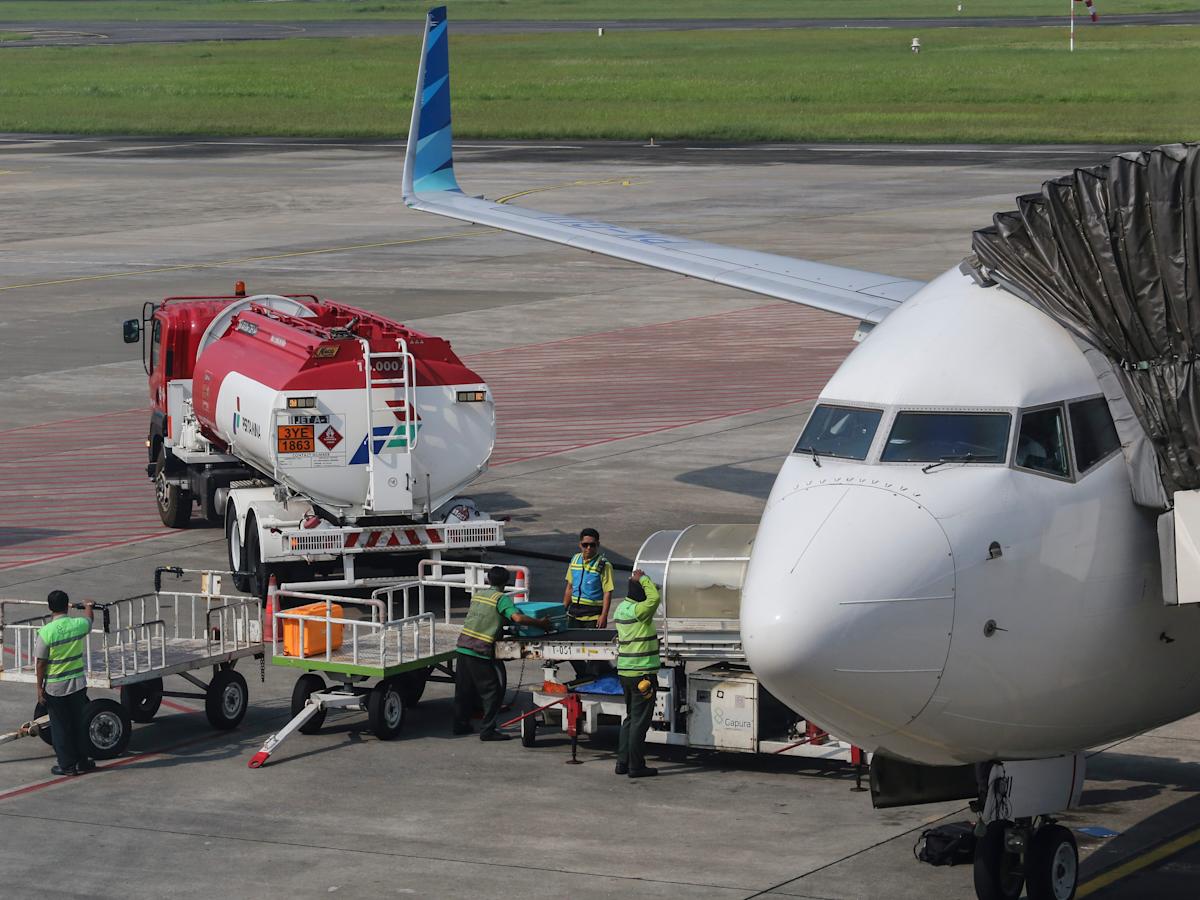
Nowhere is this more evident than in the airline industry, where the world’s largest airlines have canceled flights due to tight jet fuel supplies.
Goldman Sachs estimates that European commercial aviation fuel inventories (excluding government emergency reserves) could fall below the 23-day threshold set by the International Energy Agency as early as June.
After the United States and Israel attacked Iran in late February, global energy markets were thrown into chaos, and supply disruptions in the Strait of Hormuz caused crude oil futures prices to rise by more than 50%.