RIYADH, Saudi Arabia (AP) — Saudi Arabia has quietly expanded access to its only liquor store to allow wealthy foreign residents to buy booze, the latest step in the once ultraconservative kingdom’s experiment in liberalization.
The decision has not yet been officially announced, but word has spread, and long lines of cars and people can be seen at the low-key, unmarked store in the diplomatic district of the Saudi capital Riyadh.
The store opens in January 2024 for non-Muslim diplomats. The new rules allow non-Muslim foreigners holding senior residency rights to purchase. Residence permits are available to foreigners, investors and entrepreneurs with professional skills.
Saudi Arabia, home to Islam’s holiest sites, has banned alcohol since the early 1950s. The store was widely seen as a way to discreetly test controls on alcohol sales.
Saudi Arabia’s de facto ruler Crown Prince Mohammed bin Salman and his father, King Salman, have pursued dramatic liberalization policies in the kingdom aimed at attracting tourism, boosting international commerce and reducing the economy’s dependence on crude oil.
The sharia-abiding kingdom has opened cinemas, allowed women to drive and held major music festivals. But political speech and dissent are still strictly criminalized, punishable by death.
Alcohol consumption remains prohibited to the public.
The unmarked store resembles a duty-free shop. Its ownership has still not been officially disclosed.
Security is tight. Each visitor will be screened and searched prior to entry. Cell phones and cameras are prohibited indoors, and staff even check glasses for smart glasses.
The Associated Press spoke with several customers as they left the store. They spoke on condition of anonymity because of the stigma attached to alcohol.
Prices have risen sharply, they said. Diplomats’ purchases are tax-free, but senior residency holders are not.
Customers said the store was relatively well-stocked, but others said the beer and wine selection was limited.
The creation of the high-level residence permit is part of Saudi Arabia’s efforts to attract professional talent from around the world. Unlike other residency rights, it does not require a Saudi sponsor and offers benefits including the right to own property, start a business and sponsor a family. It requires high income or substantial investment to qualify.
Saudis and other residents who want to drink often head to the neighboring island of Bahrain, where both Muslims and non-Muslims can legally obtain alcohol. The island sees a large number of tourists from Saudi Arabia and the Gulf region every weekend and holiday, making it a popular holiday destination. A more expensive option is to go to Dubai in the United Arab Emirates.
Others resort to smuggling alcohol, which can be very expensive, or smuggling alcohol – which is often homemade and uses unsafe materials, which carries risks.
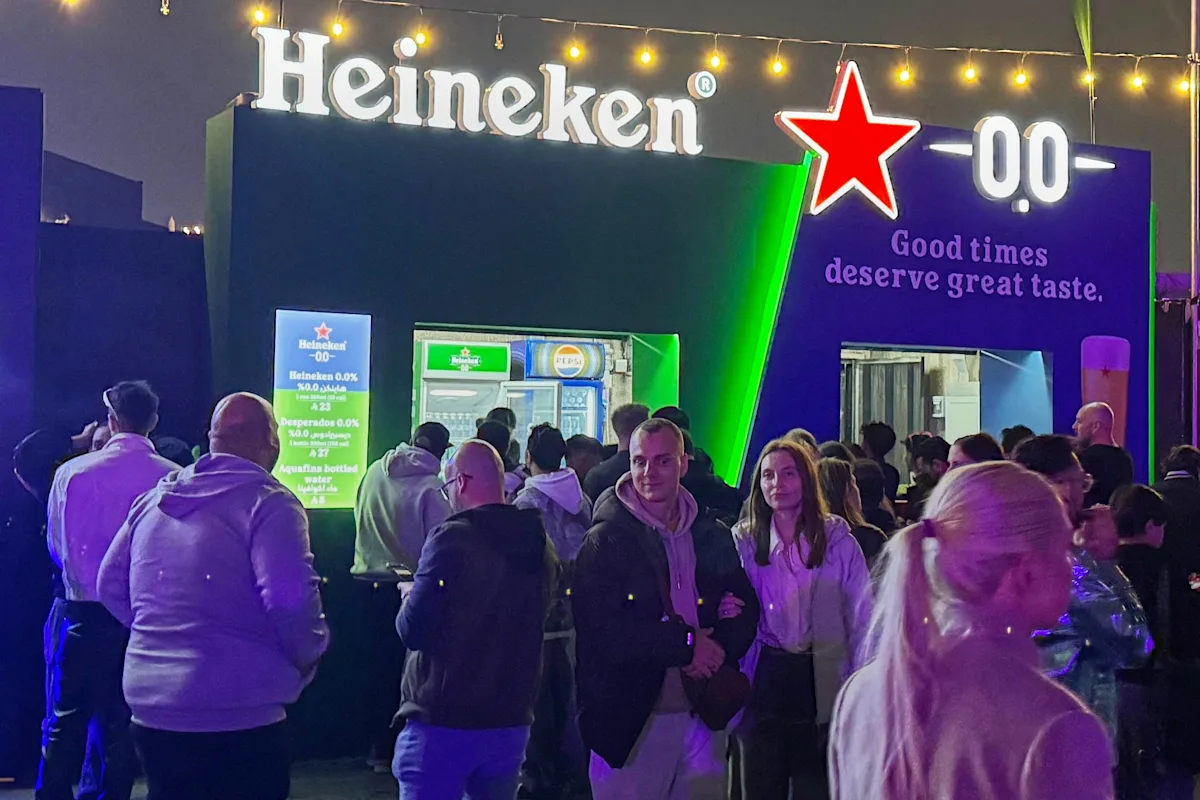
Some people in Saudi Arabia like to have non-alcoholic drinks instead of real wine, or often take photos on social media in order to capture the beauty of drinking. During major events and festivals, it’s not uncommon to see long queues at non-alcoholic beer stands, especially among young Saudis and tourists who want to take part in the atmosphere.
Saudi Arabia’s founding monarch, King Abdulaziz, banned such sales after an incident in 1951 in which his son, Prince Al-Mishali, drunkenly killed Cyril Osman, the British vice-consul in Jeddah, with a shotgun.

