
The U.S. Geological Survey, the federal government’s earth science arm, has discovered new oil and natural gas reserves in the Permian Basin, enough to supply the United States for 10 months.
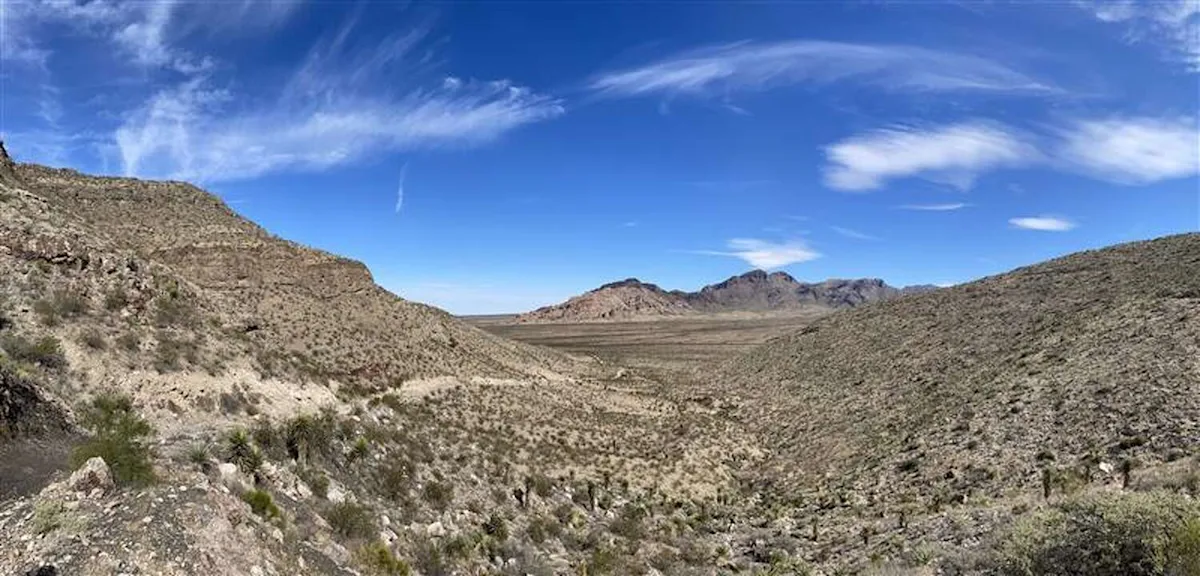
The U.S. Geological Survey said Wednesday it had discovered 28.3 trillion cubic feet of natural gas and 1.6 billion barrels of oil in the Woodford and Barnett shale formations, which are part of the larger Permian Basin that stretches across West Texas and New Mexico.
The USGS began assessing available oil reserves 50 years ago after the Arab oil embargo plunged the United States into a supply crisis. Since then, domestic oil supplies have exploded, especially after the shale oil boom brought about by fracking in the early 2000s, which made the United States a major oil producer.
Oil: Trump threatens to freeze ExxonMobil’s operations in Venezuela because the company is “playing too cute.” that’s why
But there are growing questions about whether the United States has enough oil and natural gas to meet growing demand in the coming decades. Declining shale reserves are already challenging Houston’s oil companies to explore new areas and deeper formations to meet demand forecasts for the next decade and beyond.
“When you hear about increased activity at Barnett Woodford, you know they’re looking beyond their traditional landing zones,” said Toti Larson, principal investigator at the Mudstone Systems Research Laboratory at the University of Texas’ Bureau of Economic Geology, which specializes in shale research.
Larson said the potential in the area was “enormous,” but producing these newly discovered reserves presented new challenges. Larson said he has been studying the area as interest grows from companies participating in his research consortium.
These reserves are deeper than what oil companies have traditionally drilled into. It’s also hotter, which means there’s more associated gas. Both depth and additional gas create cost challenges for oil and gas producers.
In addition, the Barnet area has a lot of clay and presents drilling hazards.
“Another complication is trying to determine what kind of sweet spot is that,” Larson said. “Where in the Permian Basin is Woodford most likely to produce oil? So I think that’s why Woodford remains an exploration target.”
Larson said low oil prices won’t help those exploration efforts. But if price signals change and oil companies increase drilling efforts, Woodford and Barnett will provide an untapped opportunity.