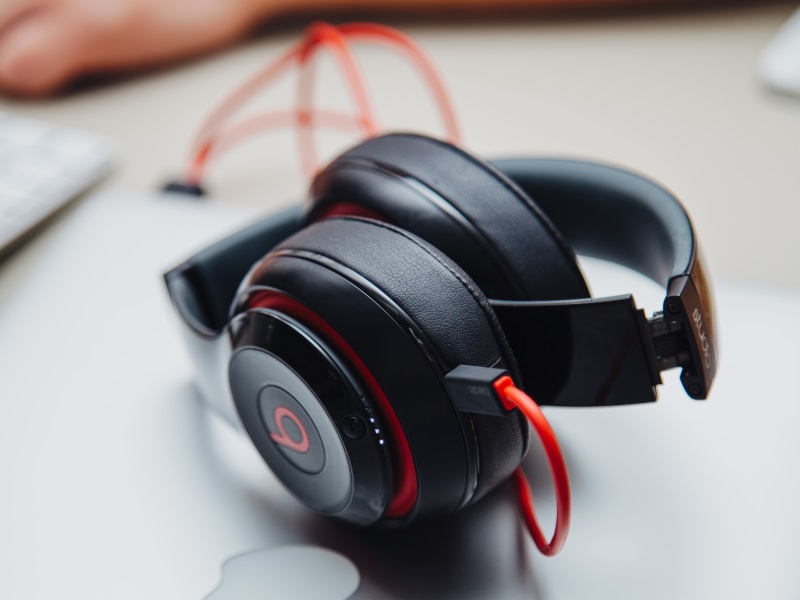
Buying headphones is more complicated than it seems because of the sheer number of options available in different price ranges. Headphones also come in different shapes, sizes, and ways to fit, so it’s important to decide exactly which one you want based on how you plan to use them. Follow our guide to make everything easier.
How much should I spend?
It all depends on how much you are willing to budget for headphones. Good choice with prices as low as Rs. 150 to up to Rs. 36,00,000, which will dazzle you. It also depends on your passion for good sound, as you usually have to pay more for better sound. However, as a basic metric, you can get quality headphones for around Rs. 10,000 – Rs. 12,000. Since then, the cost of quality has increased exponentially, and despite significant price increases, improvements have only been incremental. If you’re reading this article, you’re probably still starting to collect audio equipment, so it’s best to keep your budget within this limit for now.
(See also: Tech 101: What you need to know before buying headphones)
What to look out for when buying headphones
The first thing you need to decide before buying headphones is how you want them to fit. It depends on how you primarily plan to use the headphones and how you plan to store them. In-ear headphones are the smallest, easier to store, and can be worn in almost any scenario, whether you’re commuting or at home. However, many people dislike the intrusive fit of in-ear headphones and prefer on-ear or over-the-ear headphones.
If you plan to use headphones at home or in the office, you may find it helpful to wear over-the-ear headphones, which increase comfort and ease when putting them on and taking them off. However, these headphones are larger and take up more space, so they may be inconvenient to use while traveling. On-ear headphones combine the advantages of over-ear headphones well and are easier to carry and store.
Once you’ve decided on your fit, you should consider the features you want from your headphones. The most affordable options are little more than basic wired listening, but as the range expands, you can get more full-featured headphones. This includes headphones with microphones for hands-free calling, wireless headphones using Bluetooth, noise-cancelling headphones, and headphones with built-in amplifiers and digital-to-analog converters.
All of these extra features come at an additional cost – you have to decide which features are important to you. Are you planning to use headphones while commuting? If you’re driving, it might be helpful to have a hands-free calling option. Bluetooth means tangle-free comfort, but you’ll need to recharge the battery frequently, so consider whether you really need it. Noise cancellation is a great feature if you fly a lot, but otherwise it’s a very expensive feature that you don’t really need. Keep all of this in mind when choosing the features you need.
The headphones also come with different driver technologies. The most common and affordable technology is dynamic driver, which is found in the vast majority of headphones. As you move up the price range, you can also get balanced armature drivers, planar magnetic drivers, electrostatic drivers, or hybrid drivers, which use two different types of drivers in the same headphone. You can read this previous article that discusses the pros and cons of all these technologies in more detail.
The biggest thing to pay attention to is the sound. Headphones are often designed to have a specific type of sound, which can be bass-oriented, like the V-Moda Crossfade M-100, treble-oriented, like the RHA T10i, or neutral, like the Audio Technica ATH-M50X. This means that the headphones will sound better for some types of music and less good for others. The best way to understand the sound quality of headphones is to listen to them yourself before buying. Make sure you take your favorite tracks with you so you can get a proper idea of how the headphones will fit you. Remember, there’s no such thing as “best” when it comes to audio – you want to buy headphones that suit your personal taste.
When shopping, follow this guide to get the perfect headphones for you. If you have any other questions, please let us know in the comments.

