KAPISILIT, Greenland, Jan 22 (Reuters) – While many Greenlanders are alarmed by U.S. President Donald Trump’s demands to seize their homeland, others like Kaaleeraq Ringsted remain calm, trusting food stocks and traditional ways of life to cope with the uncertainty.
“I’m not scared,” said Ringsted, 73, standing next to one of two coolers filled with reindeer meat, halibut, cod, red fish and seal meat at his home in the settlement of Kapisilit on the Nuuk Fjord.
“I have enough food here for more than a year.”
Ringsted no longer hunts due to health problems and relies on family and friends to transport fish and meat from Nuukfjord. Supply chains in remote Greenland are vulnerable to sudden weather changes, and the local grocery store in his settlement is replenished with basic necessities only once a week.
On Wednesday, the Greenlandic government issued its latest crisis preparedness advice, advising residents to keep a five-day supply of water and food, as well as hunting weapons, ammunition and fishing gear.
On the same day, Trump abruptly dropped his threat to impose tariffs on key European allies as a means to seize Greenland, ruled out the use of force and said a deal was imminent to end the Danish territorial dispute. He said on Thursday the details of the agreement were still being worked out.
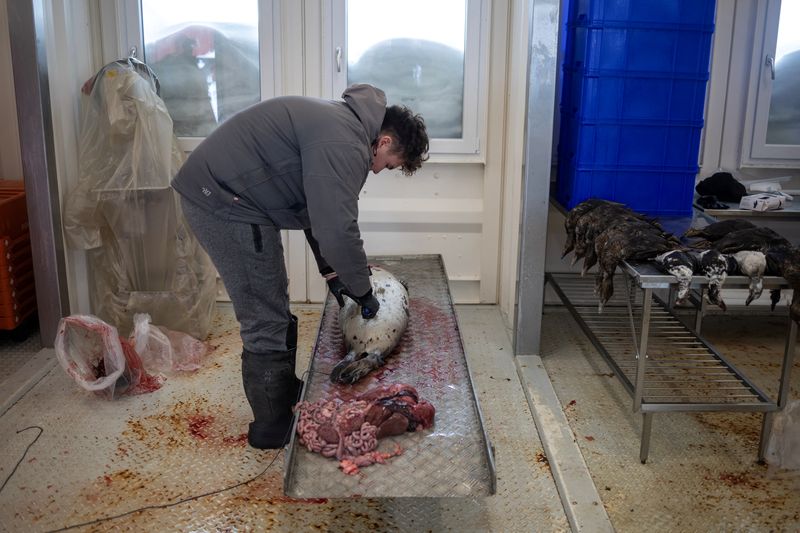
fish, seal, reindeer
For many Greenlanders, self-sufficiency has long been an integral part of daily life.
Aslak Wilhelm Jensen, 50, who keeps three coolers full of fish and meat at his home in Nuuk, expressed few concerns about food safety or Trump’s rhetoric as he worked on a small fishing boat at the bottom of the Nuuk Fjord.
“There’s fish here, there’s seals over there, there’s caribou all over the area,” Jensen said. “If someone comes and takes your land, you’re not really afraid of dying of hunger.”
Denmark, which claims Greenland, has been pushing for modernization and urbanization since the 1950s, often causing locals to abandon traditional hunting and fishing activities. Yet many Greenlanders continue to balance modern careers with skills honed over generations.
Jensen, who had caught 900 kilograms of cod the previous day, emphasized the worldview that comes with surviving in a rugged environment.
“We’re not the kind of people who go into complete panic when we hear what’s going on in the world,” he said.
“We Greenlanders, when there’s food on the table, we relax,” Jensen added. “We live like neighbors with animals.”
Greenlanders have long adapted to harsh weather conditions, isolation and unreliable supply chains. A well-stocked refrigerator and self-reliance are not considered “preparing for the end of the world,” but rather a way of life.
(Reporting by Jacob Gronholt-Pederson; Editing by Gareth Jones)

