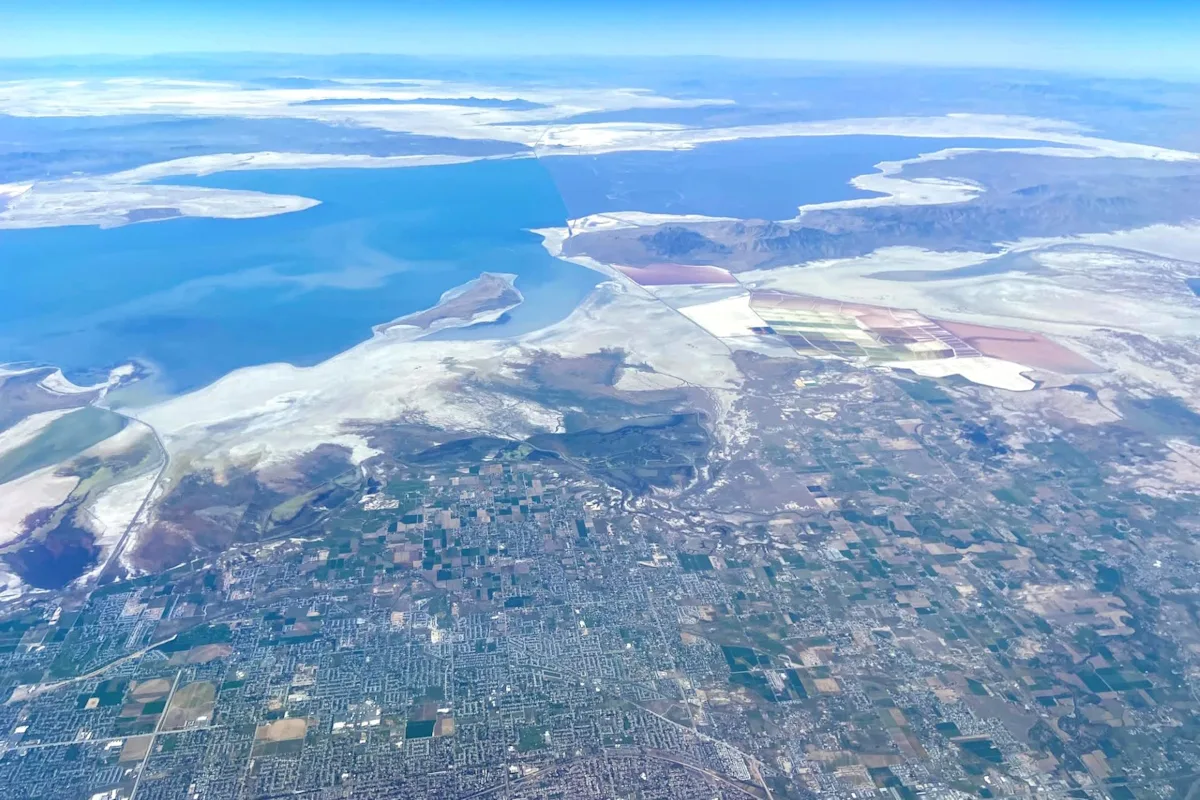
Utah’s Great Salt Lake is shrinking at an alarming rate, and experts warn the unprecedented trend could spell disaster for the region’s future. Falling water levels in the lake have already contributed to a bleak ski season in Utah’s mountains, and ecologists warn more problems could arise if the situation is allowed to continue.
What happened?
Water levels in the Great Salt Lake have dropped to near record lows, putting the lake “on the verge of collapse in just a few years,” according to a report by Brigham Young University’s Daily Universe. It has lost about two-thirds of its historical capacity due to decades-long drought and excessive water use.
Smaller lakes mean fewer snowstorms because it doesn’t intensify snowfall as much as it once did. This fall, some mountains have only one-third of their typical snowpack. Brigham Young University ecologist Ben Abbott explains that rising temperatures, changing weather and declining lake areas are leading to more severe snow years, putting ski resorts and water supplies at risk.
“Everything we care about is at risk here,” Abbott said.
Why is this important?
More than 1,000 square miles of dry lake bed are now exposed, becoming a source of toxic dust. Storms can blow these pollutants into nearby cities, where residents are already experiencing increased rates of respiratory and heart problems. Less snowpack also means less spring runoff, jeopardizing water use for communities and farmers.
Economically, the crisis threatens Utah’s outdoor recreation industry, with resorts already hurt by a shortened low-snow season. While harsh winters are nothing new, rising global temperatures are making extreme conditions more frequent and severe, posing long-term risks to health, safety and livelihoods, scientists warn.
What measures are being taken?
Advocates like Abbott have launched initiatives like Increase the Flow to raise awareness and promote water conservation. State officials are urging residents to reduce outdoor watering, especially lawns, which are often irrigated twice as much as necessary.
Reducing watering or switching to drought-tolerant landscaping can significantly reduce waste. Together, these small changes can make a huge difference to the future of the lake.
Reducing the pollution that causes the planet to heat up is crucial to protecting water and keeping weather stable. One of the best steps homeowners can take is to switch to solar power for their electricity needs. Going solar is an effective way to make your home more resilient, lower your energy bills, and protect against rising prices.
Cool Down’s Solar Explorer can connect you with vetted local installers and help you save up to $10,000 on installation costs by comparing competitive bids. EnergySage also offers free tools to compare quotes and explore incentives.
By embracing solutions like these, from water conservation to clean energy upgrades, communities can work together to address this crisis and protect Utah from all future risks.
Get TCD’s free newsletter for simple tips to save more, reduce waste and make smarter choices, and earn up to $5,000 toward clean upgrades in TCD’s exclusive Rewards Club.

