
Electrical equipment often operates under varying loads, making dependable protection and control essential for safe and efficient performance. Motors, pumps, compressors, fans, and automated machinery can experience conditions that affect their operation and service life. thermal overload protection helps safeguard suitable electrical equipment against excessive heating caused by prolonged overload conditions. Meanwhile, a control relay enables electrical signals to manage circuits and equipment according to defined operating requirements. Understanding their different use cases can help users plan electrical systems that provide appropriate protection, control, reliability, and operational flexibility.
Protecting Electric Motors from Overload Conditions
Electric motors are widely used across residential, agricultural, commercial, infrastructure, and industrial applications. While motors are designed to operate within specific electrical limits, prolonged excessive current can cause overheating and potentially damage motor windings.
One important application of thermal overload protection is protecting motors against sustained overload conditions. When a motor draws excessive current for an extended period, the protective mechanism can respond according to its designed characteristics and help disconnect the motor from the supply.
Common Motor Applications
-
Water pumps
-
Ventilation fans
-
Compressors
-
Conveyors
-
Material-handling equipment
-
Agricultural machinery
The protection should be selected according to the motor’s rated current and the requirements of the overall motor-control arrangement.
Supporting Pumping Systems
Pumps are essential in agriculture, buildings, water management, infrastructure, and industrial processes. A pump motor may encounter increased load because of mechanical issues, operating conditions, or changes in the connected system.
In such applications, thermal overload protection can help address sustained overcurrent conditions by responding to the heating effect associated with prolonged excessive current.
Pumping Use Cases
-
Agricultural irrigation pumps
-
Water transfer systems
-
Building circulation pumps
-
Drainage equipment
-
Industrial process pumps
Using suitable protective equipment can help reduce the risk of continued motor operation under damaging overload conditions. Proper installation and coordination with other protective devices remain important.
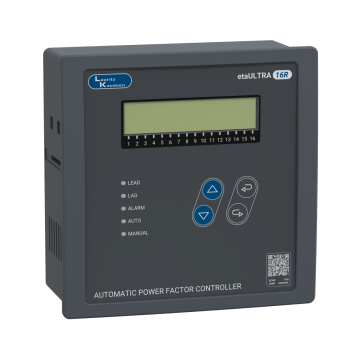
Managing Industrial Machinery
Industrial machinery often contains several motor-driven components that operate continuously or repeatedly. Conveyors, mixers, pumps, fans, and compressors may all be exposed to changing loads during normal operation.
A control relay can play an important role in such systems by responding to electrical signals and controlling associated circuits. Depending on the system design, relays can help coordinate equipment operation based on inputs from switches, sensors, timers, or other control components.
Industrial Control Applications
-
Starting and stopping equipment
-
Interlocking different operations
-
Signalling system conditions
-
Switching auxiliary circuits
-
Coordinating automated sequences
This makes relay-based control useful when electrical equipment needs to respond to defined operating conditions.
Supporting Automated Equipment
Automation systems require reliable communication between inputs, control logic, and connected electrical equipment. A relay can act as an interface between a control signal and a circuit that needs to be switched.
A control relay is useful when a low-power control signal needs to operate another circuit according to the system’s design. This can help separate control functions from the circuits being controlled.
For example, an automated system may receive a signal from a sensor indicating that a particular condition has been reached. The relay can then change the state of its contacts, allowing the next stage of the process to operate.
Typical Automation Functions
-
Signal switching
-
Circuit isolation
-
Equipment interlocking
-
Sequential control
-
Alarm or status indication
The exact relay configuration should be selected according to voltage, current, contact arrangement, switching frequency, and application requirements.
Protecting Compressors and Fans
Compressors and fans are commonly driven by electric motors and can experience increased loads under certain operating conditions. Continuous operation under excessive load can result in unwanted heating.
This is another area where thermal overload protection can contribute to a motor protection strategy. By responding to sustained overload conditions, it can help prevent a motor from continuing to operate when its current exceeds the intended operating range for too long.
Such protection can be useful for:
-
Industrial compressors
-
Ventilation fans
-
Exhaust systems
-
Air circulation equipment
-
Cooling equipment
Protection settings should be correctly adjusted according to the motor’s specifications and the manufacturer’s installation requirements.
Supporting Agricultural Applications
Agricultural facilities rely on electrical motors for irrigation, water distribution, ventilation, and processing equipment. These systems may operate for long periods, particularly during demanding agricultural activities.
Motor protection becomes important when equipment is expected to operate continuously or under variable loads. Proper thermal overload protection can help protect suitable motors from prolonged overload conditions.
Agricultural Use Cases
-
Irrigation systems
-
Water pumping equipment
-
Farm ventilation
-
Agricultural processing machinery
-
Water lifting applications
The selected protective arrangement should account for motor ratings, operating conditions, environmental factors, and the complete electrical installation.
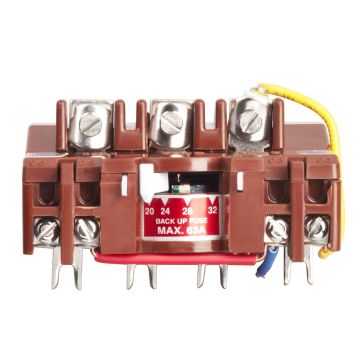
Improving Building Electrical Control
Buildings contain numerous electrical systems that may need automatic or centralised control. Pumps, ventilation systems, lighting arrangements, and other equipment can be controlled according to schedules, sensor inputs, or operational requirements.
A control relay can support these arrangements by switching circuits in response to control signals. This makes it useful for building systems where equipment operation needs to follow a predetermined sequence.
Building Applications Include:
-
Water pump control
-
Ventilation management
-
Equipment interlocking
-
Auxiliary circuit switching
-
Alarm and indication systems
Relays can therefore contribute to organised electrical control without requiring every load to be operated manually.
Supporting Infrastructure Systems
Infrastructure facilities often depend on reliable electrical equipment for water management, ventilation, pumping, and other essential functions. Because these systems may be critical to daily operations, both protection and control need to be considered during electrical planning.
A suitable combination of thermal overload protection and control equipment can help address different requirements. Overload protection focuses on protecting appropriate motor circuits from sustained excessive current, while control components help determine when and how equipment operates.
This distinction is important because protection and control perform different functions but can work together within an integrated electrical system.
Coordinating Protection and Control
Protection and control are often interconnected in motor-control applications. A well-designed system can monitor operating conditions while also providing the necessary switching and control functions.
Consider the following sequence:
-
A motor receives a command to start.
-
The control circuit activates the appropriate switching equipment.
-
The motor begins operating.
-
Protective equipment monitors the motor circuit according to its design.
-
If a sustained overload condition occurs, the protective mechanism can initiate the appropriate trip response.
-
The control circuit can then indicate or respond to the changed operating state.
This coordinated approach can improve system organisation and help operators respond to abnormal conditions.
Selecting the Right Protection and Control Equipment
Different applications require different electrical characteristics. Equipment should therefore be selected based on the complete system rather than simply its physical size.
Important Selection Factors
-
Motor or load rating
-
Rated operating current
-
Control voltage
-
Number of switching operations
-
Environmental conditions
-
Required contact configuration
-
Coordination with other protective devices
-
Installation and maintenance requirements
Professional electrical assessment and installation are recommended, particularly for systems involving high-power motors and industrial equipment.
Conclusion
Protection and control are fundamental aspects of dependable electrical system design. thermal overload protection can help safeguard suitable motor circuits against sustained overload conditions, while a control relay can support switching, interlocking, signalling, and automated equipment operation. Their applications extend across pumping, agriculture, industrial machinery, building services, infrastructure, and automated systems. Selecting and coordinating these components according to load characteristics, operating conditions, and control requirements is essential for effective performance. With its extensive portfolio of electrical and automation solutions, Lauritz Knudsen Smartshop can support diverse electrical requirements across homes, buildings, agriculture, infrastructure, and industry.

