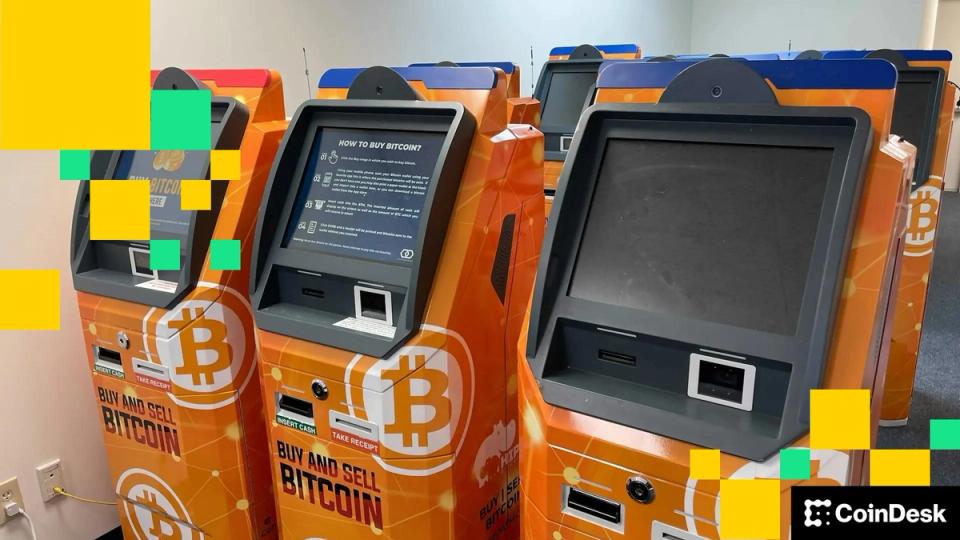
Walk into a gas station, grocery store, or convenience store today and you’ll likely see a small orange kiosk gleaming in the corner. What started out as a curiosity has quietly become one of the most familiar face-to-face touchpoints in the digital economy: the cryptocurrency ATM.
With nearly 40,000 crypto ATMs operating around the world, the technology has become a staple for cryptocurrency curious and enthusiasts, helping to spark mainstream interest in digital assets that were once considered esoteric and inaccessible. Serving as a physical bridge between traditional fiat currencies and the world of digital assets, these kiosks make cryptocurrencies more accessible, tangible, and user-friendly for those who prefer to transact with physical cash in person.
As the president of the largest Bitcoin ATM operator, I have witnessed this transformation up close. The rapid popularity of cryptocurrency ATMs has made it easier than ever for people to buy Bitcoin with cash and participate in the digital economy, but it has also attracted bad actors who seek to take advantage of users unfamiliar with how the machines work.
As demand grows — and as concern grows over scams involving cryptocurrency kiosks — so does the need for clear rules, oversight and a commitment to shared responsibility.
For this emerging industry to thrive, consumers need to trust it. Whether they are sending money to a relative or buying Bitcoin for the first time, they should trust that the machine they are using is safe and reliable. Building this trust requires effort from everyone involved.
ATM operators, regulators and industry partners all have a role to play in building confidence through education and accountability. The increasing number of proposed regulations in cities across the U.S., such as mandatory scam warnings, daily transaction limits, and more, highlights the need for a cohesive framework that evolves as the industry continues to grow. As policymakers strive to strike a balance between promoting innovation and protecting consumers, regulators have stressed that crypto ATM activities should be subject to additional regulation.
What this means in practice is creating frameworks that enable the wider cryptocurrency industry to grow while protecting individual consumers. For crypto ATM operators, this involves meeting higher compliance expectations: following strict registration and licensing protocols, implementing robust transaction and blockchain monitoring systems, and implementing thorough AML and KYC procedures.
Compliance practices must be proactive, consistent and transparent. Consumers don’t have to understand the complexities of cryptocurrency regulation to use the machines safely, that responsibility lies with us. By demonstrating that compliance is embedded in everything we do, we increase trust in our systems to help ensure the industry remains resilient, trusted and protected.
Protecting consumers starts with industry-wide responsibility. Operators have a responsibility to make these transactions not only secure, but also transparent and understandable. At Bitcoin Depot, we focus on strengthening verification and improving clarity every step of the user experience. This includes implementing authentication for all consumers.
The rise in scams targeting older people is also a serious industry issue and addressing them requires practical, people-centred safeguards, including additional screening for adults over 60, daily transaction limits and clear on-screen scam warnings that stop scam attempts in real time.
Education is equally important. When users understand how these machines work, they are better able to spot and avoid fraudulent activity. Public awareness campaigns, visible signage at kiosks, and around-the-clock customer support not only enhance trust but also allow people to use the technology confidently and safely.
It is vital that crypto ATM operators continue to strengthen safeguards and improve user experience, making them more secure and transparent. These protections not only benefit individual cryptocurrency users but also enhance the integrity of the market and support its long-term growth.
The secret to cryptocurrency longevity doesn’t lie in daily price swings, institutional buzz, or even favorable policies on Capitol Hill. Its longevity will be determined by consumers, but it’s up to industry to implement the changes needed to help it thrive.
Compliance, transparency and change are not barriers to innovation. They are the foundation that gives it staying power. These qualities do not indicate that the industry is in trouble. As cryptocurrencies become part of everyday finance, they reflect a cryptocurrency that is maturing, learning and adapting to meet user expectations.
The future of cryptocurrency will be defined not just by technology, but by the discipline and integrity of those who build it. The companies leading the next phase will be those willing to hold themselves to a higher standard.

