Competition in China’s automobile industry is becoming increasingly fierce. According to reports, in order to overcome this problem, Chinese companies such as BYD have chosen to invest heavily in European factories. It is expected that by 2026, full-process manufacturing capabilities will increase significantly. This comes as Chinese automakers seek new markets to deal with domestic overcapacity and tariffs. The move came despite concerns from Beijing.
According to Bloomberg New Energy Finance, Chinese automakers can easily double their overseas full-process manufacturing to cope with tough import tariffs and meet growing demand in emerging markets.
Traditionally, Chinese automakers have tended to manufacture key components of their vehicles in China and then ship the components overseas for assembly (export and bulk assembly). However, investment in full-process manufacturing is reportedly growing rapidly. This is mainly due to tariffs imposed by major markets such as the US, EU and Türkiye.
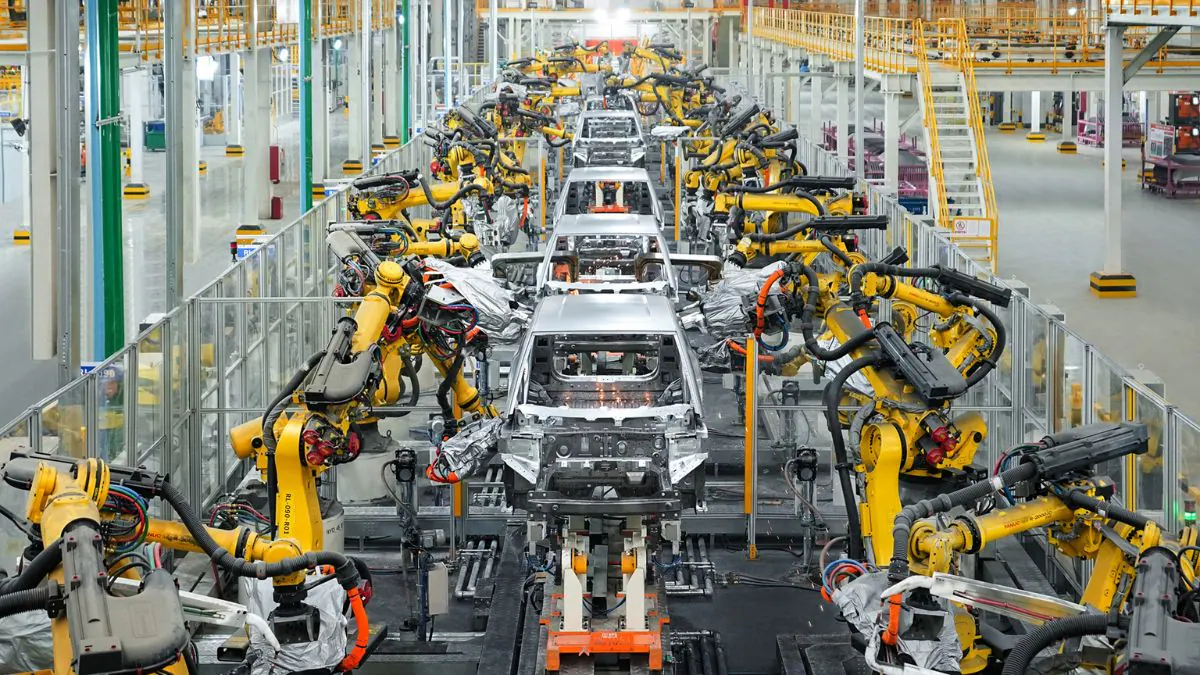
Full-process manufacturing consists of four major steps in vehicle production. This includes stamping, welding, painting and final assembly. It is worth noting that although it is highly capital-intensive, it can be said to have higher production capacity compared to modular assembly.
It is reported that Chinese automakers have commissioned the construction of full-process manufacturing plants in nine countries. It is expected that by 2023, the annual production capacity will reach 1.2 million vehicles. According to Bloomberg Finance, if Chinese manufacturers’ commitments are fulfilled on time, annual production capacity is expected to double to 2.7 million vehicles by 2026, covering more than 12 countries.
Many Chinese companies have announced new or expanded factory projects to promote expansion in overseas markets. They are also expanding into Southeast and Central Asia, Latin America and the Middle East through local and production projects.

