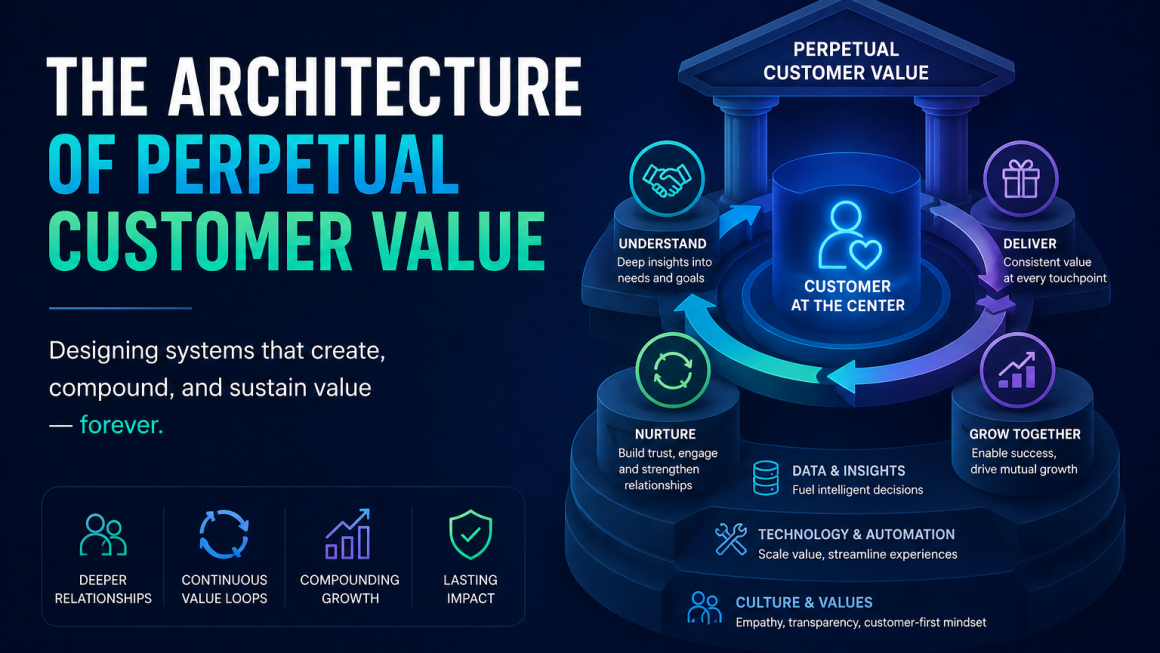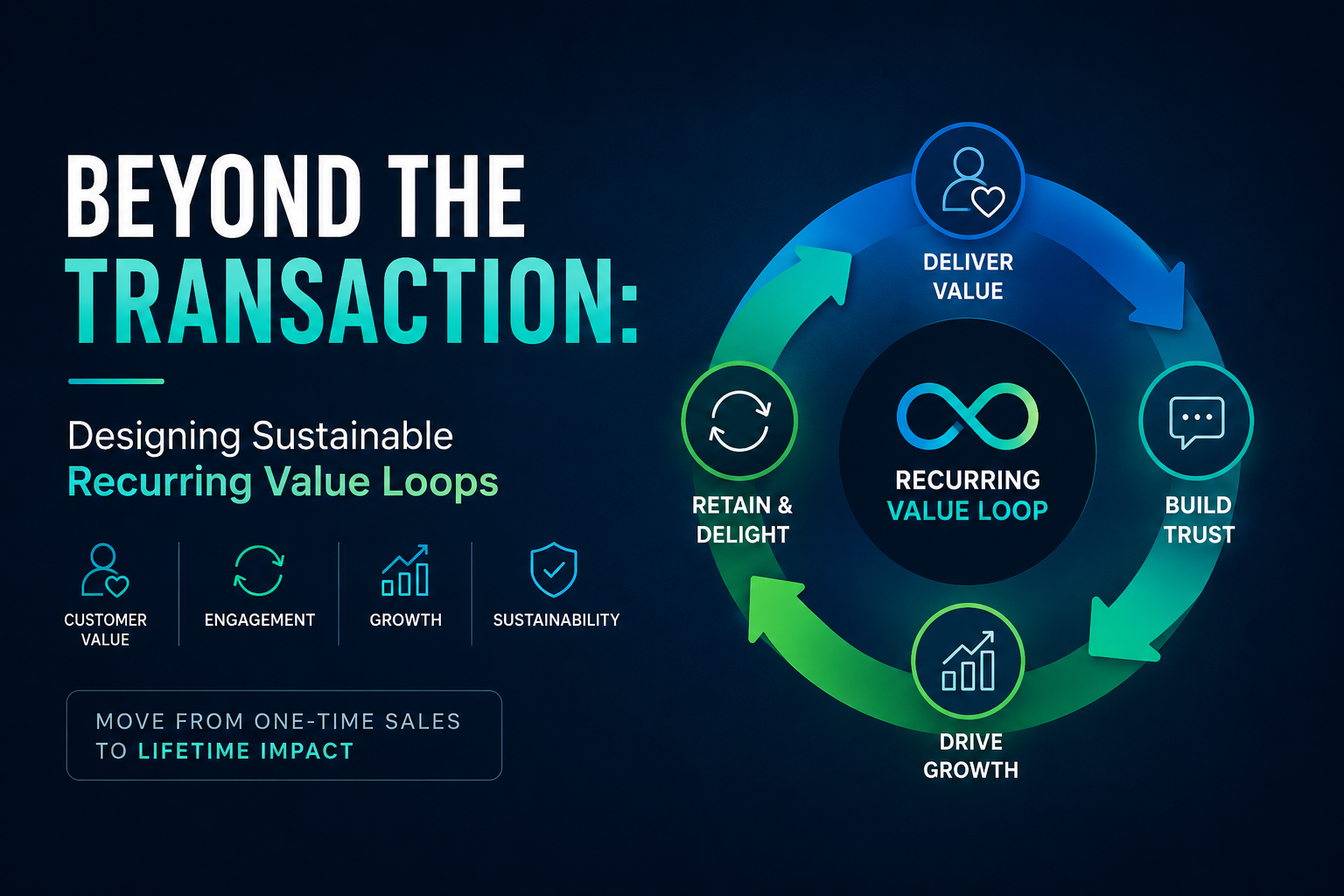
In today’s rapidly evolving digital landscape, the way businesses sell and consumers purchase products has undergone a fundamental transformation. Gone are the days when a single, one-time transaction defined the lifecycle of a customer relationship. Instead, the subscription model has emerged as the gold standard for revenue stability and long-term engagement. By shifting the focus from sporadic sales to ongoing service, companies are building predictable revenue streams while providing continuous value to their user base. Whether you are a startup looking to scale or an established enterprise pivoting to recurring revenue, understanding the nuances of the subscription economy is essential for future-proofing your business.
The Fundamentals of the Subscription Model
At its core, the subscription model is a business strategy where customers pay a recurring price at regular intervals—monthly, quarterly, or annually—for access to a product or service. This shift from “ownership” to “access” has redefined modern commerce.
Why Businesses Choose Subscription-Based Revenue
-
- Predictable Cash Flow: Unlike transactional businesses that rely on unpredictable sales spikes, subscriptions provide a steady stream of recurring revenue (ARR/MRR).
-
- Enhanced Customer Relationships: Continuous interactions allow businesses to gather data, provide personalized experiences, and build long-term brand loyalty.
-
- Reduced Customer Acquisition Cost (CAC) over time: Retaining existing subscribers is significantly cheaper than constantly acquiring new ones.
The Psychology of Access
Consumers are increasingly prioritizing convenience and affordability. The “Netflix effect” has taught modern buyers that they don’t necessarily need to own software or physical goods to gain their benefits, leading to a higher willingness to pay for ongoing access to high-quality solutions.
Key Types of Subscription Models
Not all subscriptions look the same. To find success, you must identify which format aligns best with your specific product and target audience.
Access-Based Subscriptions
This is common in the SaaS (Software as a Service) industry. Users pay for access to a platform or digital tool. Examples include Adobe Creative Cloud or Slack.
Curation and Replenishment Models
-
- Curation: Services like Stitch Fix or BarkBox offer personalized selections of products delivered to your door.
-
- Replenishment: Automating the delivery of everyday essentials, such as Amazon Subscribe & Save for household goods.
Membership Programs
These provide exclusive perks rather than just products. Amazon Prime is the definitive example, offering fast shipping, streaming, and special discounts for a set fee.
Metrics That Drive Subscription Success
If you cannot measure it, you cannot improve it. Success in the subscription world relies on specific Key Performance Indicators (KPIs).
Essential Metrics to Track
-
- Churn Rate: The percentage of subscribers who cancel their service within a given period. High churn is the “silent killer” of growth.
-
- Customer Lifetime Value (CLV): The total revenue you expect to earn from a single customer throughout their entire relationship with your brand.
-
- Monthly Recurring Revenue (MRR): The total predictable revenue generated by your active subscribers each month.
Actionable Takeaway
Focus on retaining existing customers. A 5% increase in customer retention can increase profits by 25% to 95%. Implement automated email sequences and check-in surveys to keep users engaged before they consider canceling.
Strategies for Reducing Churn
Customer retention is the lifeblood of the subscription model. Keeping your subscribers happy requires a proactive approach to their changing needs.
Tips for Minimizing Cancellations
-
- Flexibility: Allow users to “pause” their subscription instead of canceling entirely.
-
- Value Demonstration: Regularly share updates, new features, or exclusive content to remind users why they signed up.
-
- Seamless UX: Ensure your billing portal is easy to navigate and that credit card updates are automated to prevent “passive churn” (cancellations due to expired cards).
Personalization at Scale
Use your data to tailor the experience. If a user hasn’t logged into your software in two weeks, send a “How can we help?” message. If a customer hasn’t purchased a refill, send a reminder based on their typical usage cycle.
Challenges in the Subscription Economy
While lucrative, the subscription model is not without its hurdles. Understanding these challenges can help you build a more resilient strategy.
Common Pitfalls
-
- Market Saturation: “Subscription fatigue” is real; consumers are becoming more selective about how many monthly payments they carry.
-
- Value Proposition Pressure: Because the user pays every month, they expect constant improvement and reliable service. You must deliver consistent value to prevent the customer from questioning the recurring expense.
-
- Complexity in Billing: Handling prorated charges, tax compliance, and multi-currency billing can be difficult without robust subscription management software.
Overcoming Barriers
The best way to combat these challenges is through differentiation. Ensure your community aspect is strong, provide stellar customer support, and keep your pricing structure transparent to build trust over the long term.
Conclusion
The subscription model is far more than a trend; it is a fundamental shift in how value is exchanged in the modern economy. By prioritizing customer success, closely monitoring retention metrics, and consistently delivering high-quality experiences, businesses can move away from the “hit-or-miss” nature of transactional sales and toward a future of predictable, sustainable growth. Whether you are launching a new service or transitioning an existing one, remember that in the world of subscriptions, the relationship only begins when the first payment is made. Keep your customers at the center of your strategy, and your recurring revenue will follow.