
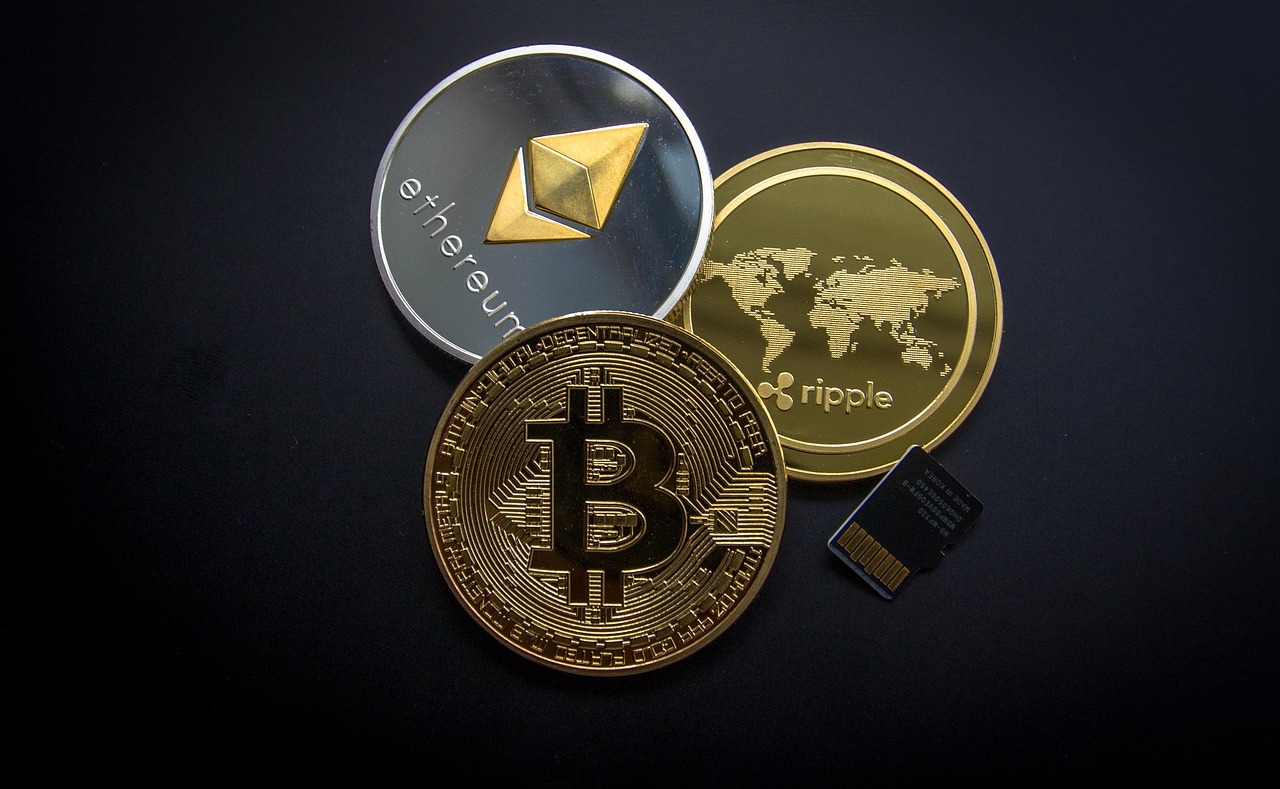
The cryptocurrency market is often defined by its cyclical nature, and few phenomena capture the imagination of retail and institutional investors quite like altseason. For those new to the space, altseason refers to a period where alternative coins (altcoins)—digital assets other than Bitcoin—experience a period of explosive growth, frequently outperforming Bitcoin’s price action. Understanding the mechanics of these cycles can be the difference between simply holding assets and strategically growing a portfolio.
Understanding the Market Cycle Dynamics
Altseason does not occur in a vacuum; it is the result of specific capital flow patterns within the crypto ecosystem. When Bitcoin dominates the market, it acts as a liquidity sponge, pulling capital into the largest asset. However, once Bitcoin’s price stabilizes or reaches a peak, investors often rotate their profits into higher-risk assets to chase larger returns.
The Bitcoin Dominance Metric
The primary indicator to watch is Bitcoin Dominance (BTC.D). This metric tracks Bitcoin’s share of the total crypto market capitalization.
- BTC.D Rising: Investors are favoring Bitcoin, often during market uncertainty or initial bull runs.
- BTC.D Falling: This is a classic signal that capital is flowing out of Bitcoin and into altcoins, signaling the potential start of an altseason.
The Wealth Effect
Once Bitcoin hits a new all-time high, early investors feel “wealthier” and more confident. They often seek to multiply these gains by moving portions of their portfolio into mid-cap and small-cap altcoins, creating a cascading effect of upward price momentum across the entire market.
Identifying Indicators of an Incoming Altseason
Predicting the start of an altseason requires a mix of technical analysis and market sentiment monitoring. While no indicator is infallible, professional traders look for a confluence of signals.
Key Technical Signals
- The “Altcoin Season Index”: Various platforms provide a visual index that tracks the percentage of the top 50 altcoins that have outperformed Bitcoin over the last 90 days. A score above 75 usually confirms an active altseason.
- Ethereum/Bitcoin (ETH/BTC) Pair: Ethereum is often the bellwether for the rest of the altcoin market. When the ETH/BTC pair starts breaking out to the upside, it is a strong indicator that broader altseason momentum is building.
Actionable Takeaways
To stay prepared, investors should:
- Monitor the Total Market Cap (excluding Bitcoin) chart to see if liquidity is entering the broader market.
- Keep an eye on social sentiment indicators on platforms like X (formerly Twitter) or Reddit; high levels of “FOMO” (Fear Of Missing Out) often precede parabolic price moves.
Navigating Different Altcoin Tiers
Not all altcoins are created equal. During altseason, capital flows typically follow a “waterfall” pattern, moving from high-market-cap assets down to smaller, more speculative projects.
Large-Cap Altcoins
These are established projects like Ethereum (ETH), Solana (SOL), and Cardano (ADA). They usually lead the initial wave of the altseason because they have higher liquidity and lower volatility compared to smaller tokens.
Micro-Cap and Speculative Assets
As the altseason matures, speculative interest shifts to micro-cap gems. While these offer the highest potential returns, they also carry significant risk. Investors should:
- Conduct thorough fundamental analysis (FA) before buying.
- Check project tokenomics to ensure there isn’t a massive “token unlock” scheduled that could cause a price crash.
- Utilize decentralized exchanges (DEXs) with caution, as high volatility can lead to significant slippage.
Risk Management Strategies
Altseason can be incredibly lucrative, but it is also one of the most dangerous times for an unprepared investor. Sudden market reversals are common, and “pumping” coins can drop as quickly as they rise.
The Importance of Profit Taking
The most common mistake during altseason is failing to sell into strength. Use a laddering strategy:
- Sell 25% of your position once you hit a 50% gain.
- Sell another 25% if the asset doubles in price.
- Keep the remainder as a “moon bag” if you believe in the long-term project fundamentals.
Protecting Your Principal
Always prioritize protecting your initial investment. Once a position has doubled, moving your initial capital into a stablecoin (like USDC or USDT) allows you to “de-risk” while keeping the remaining “house money” exposed to potential further gains.
Sector Rotation Trends
Altseason rarely lifts all boats equally. Modern cycles are defined by narratives. Understanding which sector is currently in vogue is crucial for maximizing returns.
Popular Narratives to Watch
- AI and DePIN: Decentralized physical infrastructure and Artificial Intelligence tokens have shown strong correlation with broader tech trends.
- Layer 2 Scaling Solutions: As Ethereum usage increases, Layer 2 networks often see increased capital inflows.
- Real-World Asset (RWA) Tokenization: This sector is attracting institutional interest, which may provide more stability during volatile periods.
By identifying the current hot narrative, you can focus your research efforts rather than trying to track thousands of disparate projects across the entire crypto landscape.
Conclusion
Altseason is a unique phenomenon that rewards patience, discipline, and strategic thinking. While the prospect of rapid wealth generation is exciting, it is vital to approach the market with a structured plan rather than relying on luck. By monitoring Bitcoin Dominance, focusing on top-performing sectors, and rigorously applying profit-taking strategies, investors can navigate these volatile periods with confidence. Remember, the crypto market never sleeps, and the best way to thrive during altseason is to ensure you are managing your risk as aggressively as you are chasing your rewards.
