In the fast-paced world of financial derivatives, few instruments offer as much utility and strategic power as the futures contract. Whether you are an agricultural producer looking to lock in crop prices or a seasoned investor aiming to hedge against market volatility, understanding futures is a critical step in mastering modern finance. These binding agreements form the backbone of global commodity and financial markets, providing the liquidity and price discovery necessary for a stable economy. In this guide, we will break down exactly how futures contracts work, why they are used, and how you can approach them with a professional mindset.
Understanding the Basics of Futures Contracts
What is a Futures Contract?
A futures contract is a standardized legal agreement to buy or sell a specific asset—such as a commodity, currency, or financial instrument—at a predetermined price at a specified time in the future. Unlike a forward contract, which is customized between two parties, futures are traded on centralized exchanges, such as the CME Group, ensuring transparency and counterparty safety.
Key Components of the Contract
To engage with futures, you must understand the defining elements that govern every trade:
- Underlying Asset: The physical item (e.g., gold, crude oil, corn) or financial index (e.g., S&P 500) that the contract represents.
- Expiration Date: The date on which the contract must be settled or rolled over.
- Contract Size: The specific amount of the asset each contract controls (e.g., 5,000 bushels of wheat).
- Tick Size: The minimum price fluctuation of the contract, which determines the smallest possible gain or loss per trade.
How Futures Markets Function
The Role of the Clearinghouse
One of the most important aspects of futures trading is the clearinghouse. Acting as the middleman for every transaction, the clearinghouse stands as the buyer to every seller and the seller to every buyer. This mechanism effectively eliminates counterparty risk, ensuring that even if one party defaults, the other remains protected.
Margin and Leverage
Futures trading is characterized by leverage, which allows traders to control large positions with a relatively small amount of capital known as “margin.”
- Initial Margin: The capital required to open a position.
- Maintenance Margin: The minimum balance that must be maintained in the account to keep the position open.
- Mark-to-Market: A daily process where the exchange settles gains and losses based on the day’s closing price, adjusting margin accounts accordingly.
Strategic Use Cases: Hedging vs. Speculation
Hedging for Risk Management
Hedging is the primary use case for futures. It allows businesses to lock in prices and mitigate the risk of adverse price movements. For example, an airline might buy crude oil futures to hedge against rising fuel costs, ensuring their operational expenses remain predictable regardless of global oil market fluctuations.
Speculation for Profit Potential
Speculators provide the liquidity that hedgers need. By taking the opposite side of the trade, speculators aim to profit from price changes without any intention of taking delivery of the physical asset. They rely on technical analysis, market sentiment, and macroeconomic data to predict whether an asset’s price will rise or fall.
Advantages and Risks of Futures Trading
Benefits of the Futures Market
- High Liquidity: Most popular futures contracts are traded in high volumes, making it easy to enter and exit positions.
- Transparency: Trading occurs on regulated exchanges with public price discovery.
- 24/7 Global Access: Many futures markets operate nearly around the clock, allowing traders to react to global news instantly.
- Diversification: Traders can easily access markets beyond stocks, including metals, energy, and government bonds.
Managing the Risks
While the rewards can be significant, the risks are equally high due to the nature of leverage. A small price move can result in a loss that exceeds your initial deposit. Actionable tip: Always implement strict stop-loss orders and never over-leverage your account beyond what you can afford to lose.
Steps to Getting Started
Selecting a Broker and Platform
Not all brokerage platforms are built for futures. You should look for a broker that provides:
- Direct access to major exchanges (CME, ICE, Eurex).
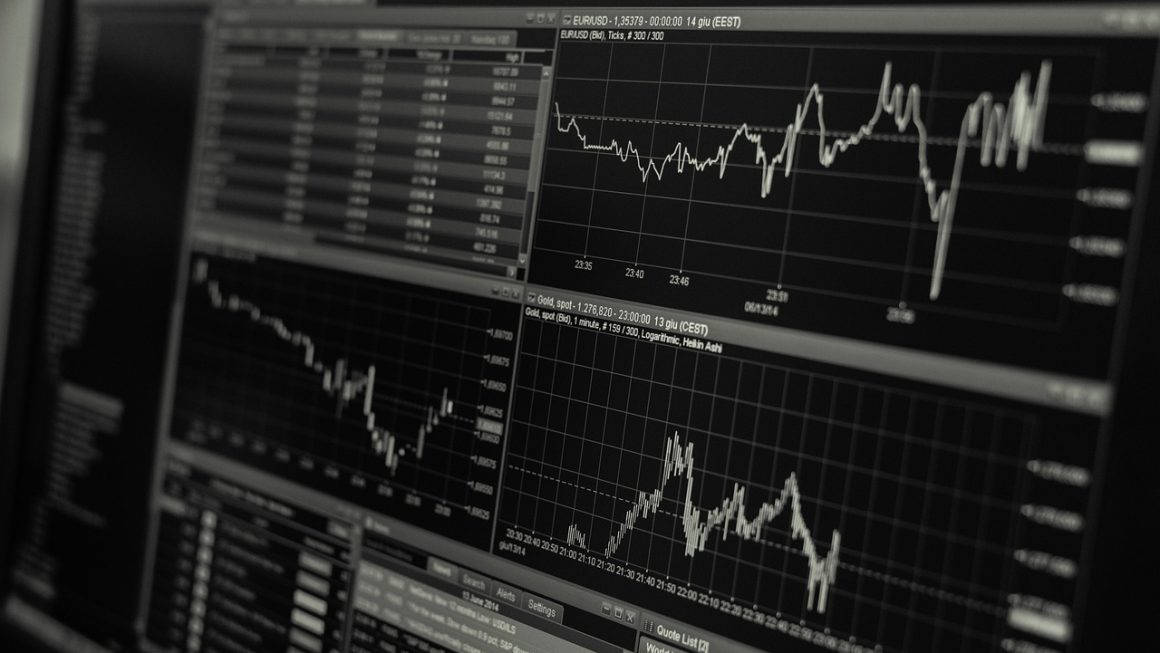
- Advanced charting and analytical tools.
- Low commission structures and real-time data feeds.
Developing a Trading Plan
Success in futures does not come from luck; it comes from discipline. Before placing your first trade, define your entry and exit strategy, your risk-reward ratio, and your position sizing. Treating your trading as a business rather than a hobby is the hallmark of a professional market participant.
Conclusion
Futures contracts are a powerful and versatile tool in the financial toolkit, offering unprecedented access to global commodities and financial benchmarks. Whether used for the strategic purpose of hedging corporate risk or the speculative potential of profiting from market movements, they provide the essential liquidity that keeps our global economy functioning. By understanding the mechanics of leverage, the importance of the clearinghouse, and the necessity of a disciplined trading plan, you can navigate the futures market with confidence and precision. Remember, market knowledge and risk management are your greatest assets in the world of derivatives.