In an increasingly digital world, the humble wallet remains one of our most essential personal accessories. While its primary purpose—carrying currency and identification—has remained constant for centuries, the evolution of the modern wallet has been nothing short of revolutionary. From the rise of minimalist cardholders to the sophisticated encryption of digital crypto wallets, choosing the right way to carry your assets is no longer just about fashion; it is about security, efficiency, and adapting to a cashless lifestyle.
Understanding the Evolution of the Modern Wallet
The Shift from Bifold to Minimalist
For decades, the classic leather bifold was the gold standard. However, as bulky items like checkbooks and stacks of receipts have become obsolete, consumers are shifting toward minimalist wallets. These sleek, compact designs focus on reducing “pocket bulk” while emphasizing quick access to essential items.
- Weight Reduction: Minimalist wallets often weigh 70% less than traditional leather bifolds.
- Ergonomics: Designed to fit comfortably in front pockets, reducing back strain associated with sitting on thick wallets.
- Material Innovation: Modern options utilize aerospace-grade aluminum, carbon fiber, and recycled synthetic fabrics.
The Integration of Smart Technology
Today’s physical wallets often feature integrated technology to bridge the gap between physical and digital storage. Many modern designs now include dedicated slots for tracking devices like Apple AirTags or Tile trackers, ensuring you never lose your essentials again.
The Rise of Digital Wallets
What is a Digital Wallet?
A digital wallet (or e-wallet) is a software-based system that securely stores your payment information and passwords. Services like Apple Pay, Google Pay, and PayPal have transformed how we conduct daily transactions by utilizing Near Field Communication (NFC) technology.
- Tokenization: Instead of transmitting your actual card number, digital wallets use unique tokens, making it nearly impossible for hackers to steal your data during a transaction.
- Convenience: Faster checkout experiences both in-store and online.
- Centralization: Ability to store boarding passes, loyalty cards, and event tickets alongside payment methods.
Security Benefits of Going Digital
Digital wallets offer a significant security advantage over physical cards. If you lose your phone, your payment information is protected by biometric authentication (fingerprint or facial recognition), whereas a lost physical wallet is often compromised instantly.
Cryptocurrency and Hardware Wallets
Securing Digital Assets
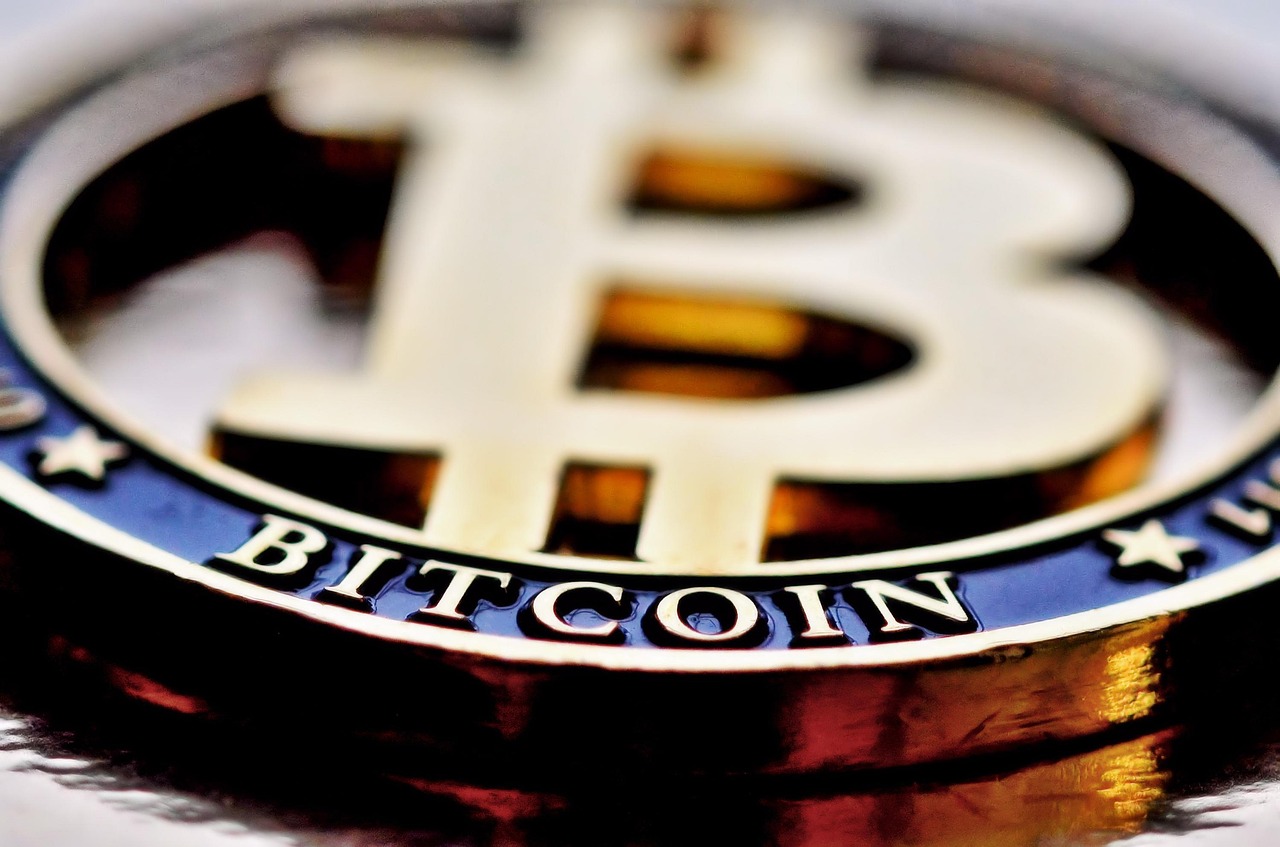
With the rise of blockchain technology, the definition of a “wallet” has expanded to include digital asset management. A cryptocurrency wallet does not store your coins physically; instead, it stores the “private keys” that allow you to access and transfer your funds on the blockchain.
Hot vs. Cold Storage
Understanding the difference between wallet types is crucial for any investor:
- Hot Wallets (Software): These are connected to the internet. They are convenient for frequent trading but are more susceptible to online hacks.
- Cold Wallets (Hardware): Physical devices, such as USB-like sticks, that store your keys offline. This is widely considered the safest method for long-term storage.
Pro-Tip: Never share your 12-to-24-word “recovery phrase” with anyone. If you lose your hardware wallet, this phrase is the only way to recover your funds.
Choosing the Right Wallet for Your Lifestyle
Factors to Consider
Selecting the perfect wallet depends on your daily habits. Before purchasing, evaluate your needs based on the following criteria:
- Capacity: How many cards do you carry daily? If you carry more than ten, a slim bifold might be better than a hard-shell cardholder.
- Security Features: Look for RFID-blocking technology to protect your credit cards from unauthorized remote scanning.
- Material Durability: If you work outdoors, look for water-resistant or ballistic nylon materials rather than delicate full-grain leather.
Practical Maintenance Tips
To extend the life of your wallet, regardless of the type:
- Clean out receipts weekly: Paper clutter is the primary cause of wallet damage and stretching.
- Avoid overstuffing: For leather wallets, stretching the material beyond its capacity will prevent it from ever returning to its original shape.
- Use a leather conditioner: If you choose high-quality leather, treat it every six months to prevent cracking.
Conclusion
Whether you prefer the tactile reliability of a traditional leather billfold or the streamlined efficiency of a digital payment app, the “wallet” remains a critical tool for navigating modern life. By understanding the differences between physical minimalist designs, secure digital platforms, and cold-storage crypto solutions, you can choose the right storage method that aligns with your security needs and personal style. As technology continues to advance, the best wallet is one that balances accessibility with robust protection, ensuring that your financial identity remains safe and organized at all times.