
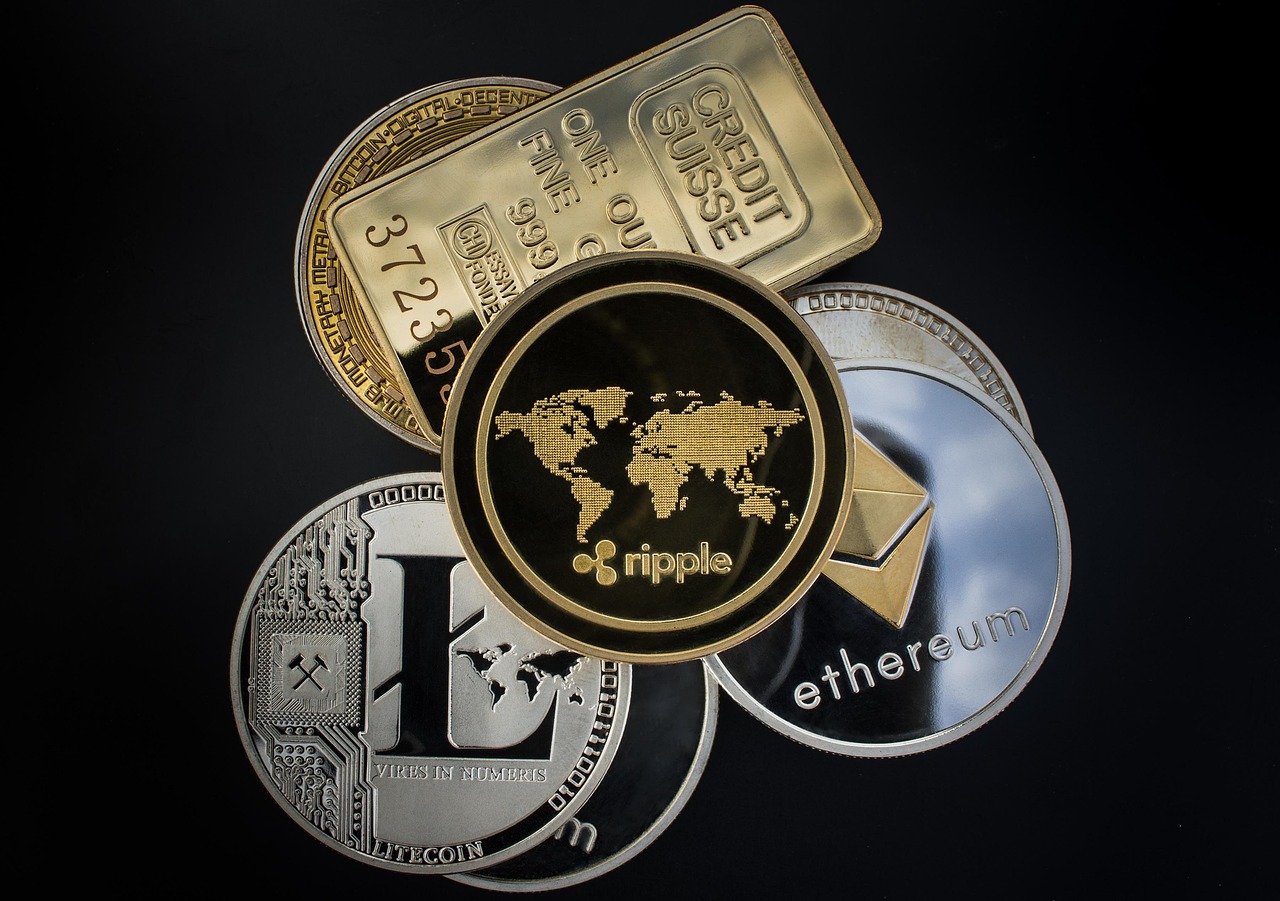
In the volatile world of cryptocurrency, few terms are as iconic or as deeply embedded in the community culture as “HODL.” What began as a simple typo in a late-night forum post has evolved into a fundamental investment philosophy for millions of digital asset enthusiasts. Whether you are a newcomer navigating your first market dip or a seasoned investor managing a diversified portfolio, understanding the psychology and strategy behind HODLing is essential for long-term success in the blockchain space.
The Origins and Meaning of HODL
From Typo to Investment Mantra
The term originated on the BitcoinTalk forum in December 2013, when a user named “GameKyuubi” posted a rant titled “I AM HODLING” while in a drunken, frustrated state. Despite the misspelling, the crypto community embraced the term as an acronym for “Hold On for Dear Life.” It quickly became a badge of honor for investors who refused to sell their assets during periods of extreme price volatility.
HODLing vs. Active Trading
- Active Trading: Involves frequent buying and selling to capitalize on short-term market fluctuations. It requires significant time, technical analysis skills, and high emotional resilience.
- HODLing: A passive strategy focused on the long-term appreciation of an asset, regardless of short-term price movements or “FUD” (Fear, Uncertainty, and Doubt).
Why Investors Choose the HODL Strategy
Mitigating Market Noise
The primary benefit of HODLing is the removal of emotional stress. Cryptocurrency markets operate 24/7 and are notorious for sudden, sharp corrections. By adopting a HODL mindset, investors avoid the “buy high, sell low” trap caused by panic selling during a temporary downturn.
The Power of Compound Growth
History has shown that assets like Bitcoin and Ethereum often reward those with a long-term time horizon. Statistical data from the past decade suggests that even with massive volatility, the long-term trend for blue-chip cryptocurrencies has been upward. By holding, investors allow the asset’s utility and adoption to drive value over years rather than days.
Risks and Considerations of HODLing
The Danger of “Blind” Holding
While HODLing is often celebrated, it is not a “set it and forget it” strategy for every project. A common pitfall is holding onto “dead” coins—projects that have lost their development support, utility, or competitive edge. It is crucial to distinguish between a temporary market dip and a fundamental failure of a project.
Practical Tips for Risk Management
- Periodic Portfolio Reviews: Re-evaluate your holdings every 3-6 months to ensure the project’s roadmap is still active.
- Diversification: Do not HODL just one asset. A basket of high-quality digital assets can protect your portfolio if one project underperforms.
- Secure Storage: If you plan to hold long-term, move your assets from exchange wallets to cold storage (hardware wallets) for enhanced security.
How to Successfully Implement a HODL Strategy
Dollar-Cost Averaging (DCA)
One of the most effective ways to HODL is to combine it with Dollar-Cost Averaging. Instead of investing a lump sum at a single price point, you invest a fixed dollar amount at regular intervals (e.g., weekly or monthly). This strategy lowers your average cost basis over time and removes the need to time the market.
Setting Clear Exit Goals
HODLing does not mean holding forever. Smart investors set clear, pre-defined goals for when to take profits. For example, you might decide to sell 10% of your holdings once your asset reaches a certain price target or after a specific milestone is met by the development team.
The Psychology of the Long-Term Holder
Cultivating Patience
The biggest challenge for a HODLer is the psychological pressure exerted by social media and news cycles. When prices crash, the media often declares “Crypto is Dead.” A successful HODLer must develop the mental fortitude to tune out this noise and focus on the long-term utility of the blockchain technology they have invested in.
Actionable Takeaways for Every Investor
- Educate yourself: Understand the fundamentals of the assets you hold.
- Ignore the noise: Limit your time on social media platforms during extreme market volatility.
- Stay consistent: If you believe in the future of an asset, stay the course through both bull and bear markets.
Conclusion
HODLing is more than just a meme; it is a disciplined approach to wealth accumulation in the digital asset market. By shifting the focus from daily price charts to long-term value, investors can navigate the inherent volatility of cryptocurrency with confidence. Whether you are building a retirement nest egg or simply looking to hold onto promising blockchain technology, the strategy of “holding on for dear life” remains one of the most effective tools in an investor’s arsenal. Remember, successful investing is a marathon, not a sprint—stay informed, stay patient, and hold with conviction.
