
Industrial motors are the driving force behind manufacturing plants, processing facilities, infrastructure projects, and countless automated operations. Their continuous performance is vital for maintaining productivity, reducing downtime, and ensuring operational efficiency. However, motors are constantly exposed to electrical faults that can lead to equipment damage, unexpected shutdowns, and costly repairs. Implementing the right protection strategies and control devices helps industries safeguard valuable assets while improving workplace safety. Understanding the causes of motor failures and the protective solutions available is essential for building a reliable and resilient industrial electrical system.
Why Motor Protection Is Essential
Industrial motors operate under demanding conditions, often running continuously while powering critical machinery. Electrical disturbances can significantly impact motor performance and reduce equipment lifespan.
Without proper protection, industries may face:
- Motor overheating
- Insulation failure
- Production downtime
- Increased maintenance costs
- Unexpected equipment breakdowns
- Safety risks for operators
A comprehensive motor protection strategy minimizes these risks while supporting uninterrupted operations.
Common Electrical Faults That Affect Industrial Motors
Understanding potential electrical faults is the first step toward preventing motor failures.
1. Overload Conditions
Motor overload occurs when equipment draws more current than its rated capacity for an extended period. This generates excessive heat, which can damage winding insulation and shorten motor life.
2. Short Circuits
Short circuits produce extremely high fault currents that can severely damage motors and associated electrical equipment if not interrupted quickly.
3. Phase Failure
Loss of one phase in a three-phase motor creates unbalanced operating conditions, resulting in overheating, reduced torque, and mechanical stress.
4. Voltage Imbalance
Unequal voltage across phases causes excessive current flow, reducing efficiency and accelerating wear on motor components.
5. Ground Faults
Ground faults occur when current unintentionally flows to earth through damaged insulation or faulty wiring, creating serious safety hazards and equipment risks.
The Importance of Motor Protection Relays
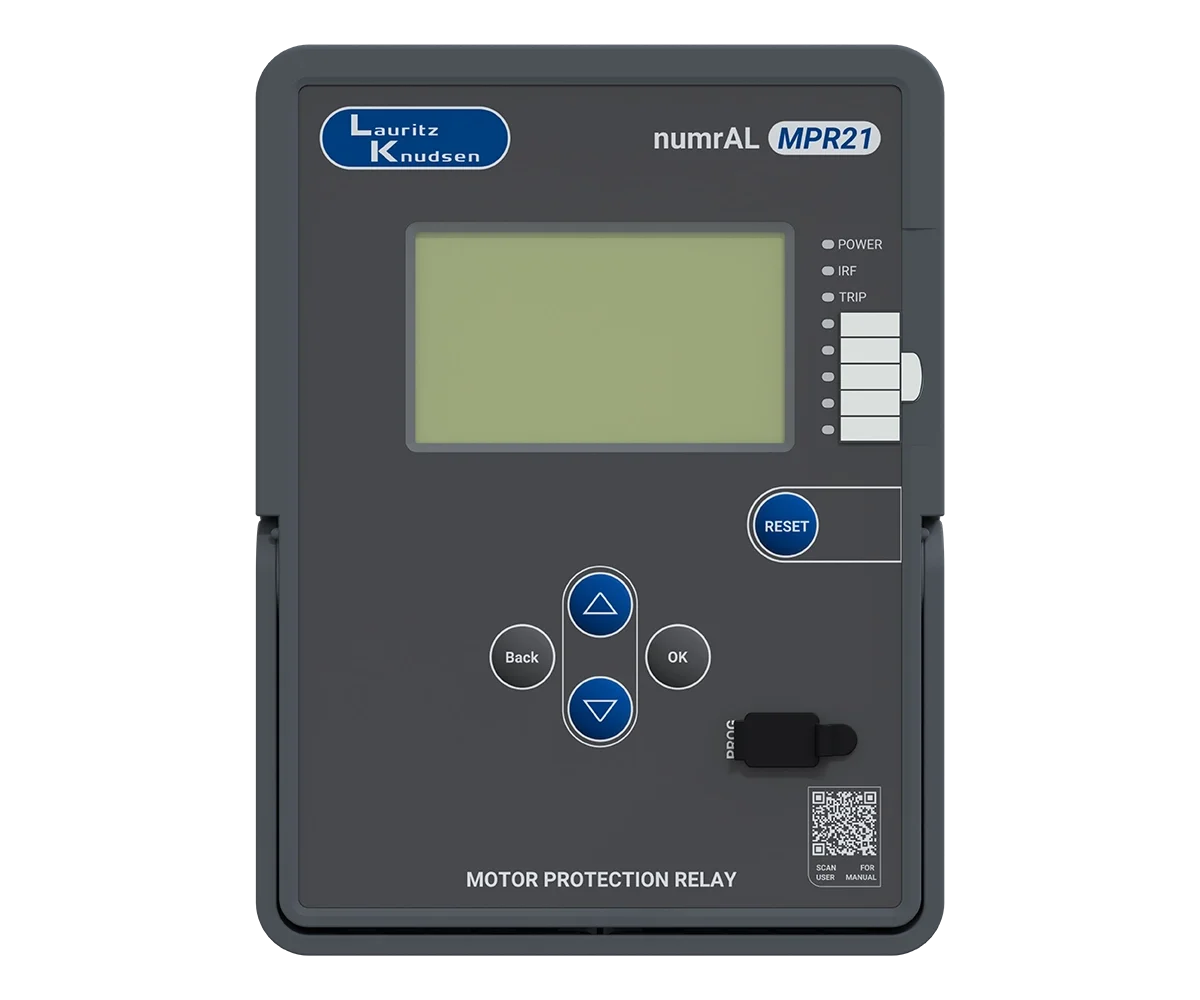
Modern motor protection systems rely on intelligent monitoring devices that continuously evaluate operating conditions.
A relay motor protection system detects abnormal electrical conditions and automatically initiates protective actions before permanent damage occurs.
These systems monitor various parameters, including:
- Current
- Voltage
- Temperature
- Phase sequence
- Ground faults
- Motor operating status
By responding quickly to changing conditions, relay motor protection helps extend motor lifespan while reducing maintenance costs.
Benefits of Comprehensive Motor Protection
Enhanced Equipment Reliability
Reliable protection minimizes unexpected failures and keeps industrial operations running smoothly.
Key advantages include:
- Longer motor lifespan
- Reduced repair expenses
- Improved operational continuity
- Lower maintenance requirements
Increased Workplace Safety
Electrical faults can expose workers to hazardous conditions.
Proper motor protection helps:
- Reduce electrical hazards
- Prevent equipment failures
- Minimize fire risks
- Improve maintenance safety
Improved Operational Efficiency
Healthy motors operate more efficiently, consuming less energy while delivering consistent performance.
Effective protection contributes to:
- Reduced energy losses
- Stable production processes
- Better equipment utilization
- Lower operating costs
The Role of Control Devices
Motor protection extends beyond relays and circuit breakers. Operators also require reliable control components for safe equipment operation.
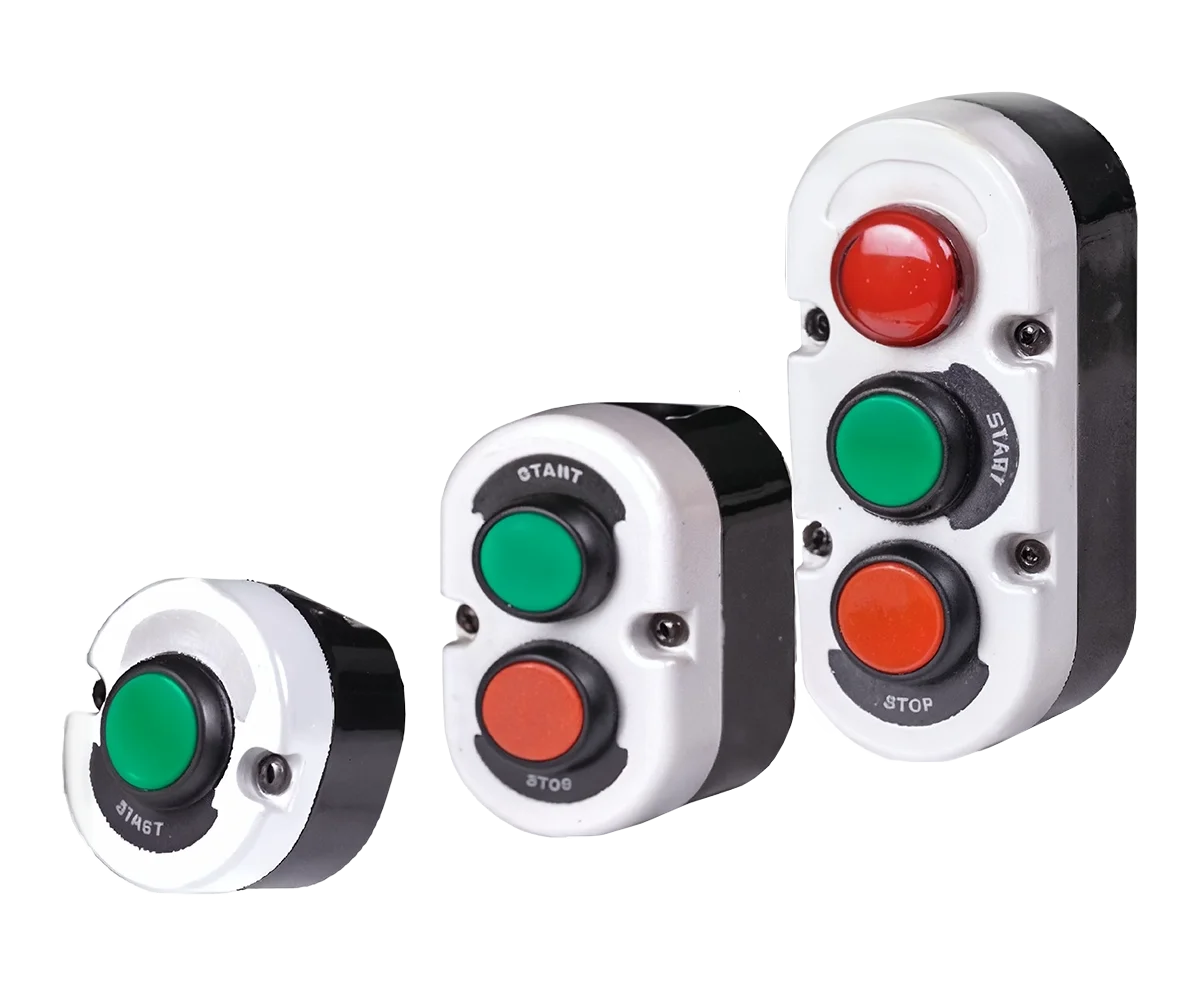
Pushbutton switches are commonly used in industrial control panels to start, stop, or reset motor-driven equipment. Their simple operation allows personnel to safely control machinery during routine operations and maintenance activities.
Well-designed control stations equipped with pushbutton switches improve operator convenience while supporting safer workplace practices.
Best Practices for Protecting Industrial Motors
1. Perform Regular Inspections
Routine inspections help identify early warning signs before they develop into major failures.
Inspect for:
- Loose electrical connections
- Overheating
- Damaged insulation
- Unusual vibration
- Moisture intrusion
2. Monitor Operating Conditions
Continuous monitoring enables maintenance teams to detect abnormal motor behavior before serious damage occurs.
Important parameters include:
- Current
- Voltage
- Temperature
- Load conditions
- Running hours
3. Implement Preventive Maintenance
Scheduled maintenance significantly improves motor reliability.
Recommended activities include:
- Cleaning motors regularly.
- Lubricating moving parts.
- Tightening electrical terminals.
- Testing insulation resistance.
- Verifying protective device operation.
- Replacing worn components promptly.
Preventive maintenance helps reduce unexpected downtime while extending equipment life.
Choosing the Right Protection System
Selecting an appropriate protection solution depends on several important factors.
Motor Size
Larger motors generally require more advanced protection capabilities due to higher operational risks.
Application Requirements
Different industries place varying demands on motors, depending on operating cycles and environmental conditions.
Environmental Conditions
Temperature, humidity, dust, chemicals, and vibration influence equipment performance and protection requirements.
Protection Features
An effective relay motor protection system should offer multiple protective functions capable of detecting various electrical fault conditions.
Importance of Operator Controls
Reliable operator controls improve both safety and productivity.
Properly designed control stations should provide:
- Clear identification
- Easy accessibility
- Durable construction
- Reliable switching performance
- Simple maintenance
Industrial-grade pushbutton switches are designed to withstand demanding operating environments while providing dependable control throughout their service life.
Emerging Technologies in Motor Protection
Industrial automation continues to transform electrical protection systems.
Modern developments include:
- Smart monitoring systems
- Predictive maintenance
- Remote diagnostics
- Digital motor protection
- Real-time performance analysis
- Industrial automation integration
These technologies enable maintenance teams to identify developing faults before they result in equipment failures, improving both operational reliability and maintenance planning.
Building a Reliable Motor Protection Strategy
An effective protection strategy combines multiple layers of monitoring, protection, and operational control.
A comprehensive approach should include:
- Advanced protective relays
- Routine equipment inspections
- Preventive maintenance
- Continuous performance monitoring
- Reliable operator control devices
- Proper staff training
By integrating relay motor protection with dependable pushbutton switches, industrial facilities can improve equipment reliability, reduce operational risks, and support safer daily operations.
Conclusion
Protecting industrial motors from electrical faults is essential for ensuring operational continuity, workplace safety, and long-term equipment performance. A combination of intelligent monitoring, preventive maintenance, and dependable control devices helps reduce downtime while extending motor life. Solutions such as relay motor protection systems and reliable pushbutton switches contribute to safer and more efficient industrial operations by addressing both protection and control requirements. With a legacy of more than 70 years, an extensive manufacturing footprint, and a commitment to powering India’s future, Lauritz Knudsen Electrical & Automation continues to support industries with dependable electrical solutions that promote reliability, efficiency, and safety across a wide range of applications.

this is a precise-content
Hi there colleagues, how is everything, and what you desire to say regarding this piece of writing, in my view its really awesome in support of me.
Thank you for the auspicious writeup. It in reality was once a
enjoyment account it. Glance complex to far delivered agreeable from you!
By the way, how can we communicate?
Hi! Do you know if they make any plugins to help with SEO?
I’m trying to get my blog to rank for some targeted keywords but I’m not seeing very good gains.
If you know of any please share. Kudos!
Way cool! Some very valid points! I appreciate you writing this post plus the rest of the website is also very
good.
If you want to grow your experience simply keep visiting this web page and be
updated with the most recent gossip posted here.
Hi there! I just want to give you a huge thumbs up for
the excellent info you have got here on this post.
I’ll be coming back to your site for more soon.