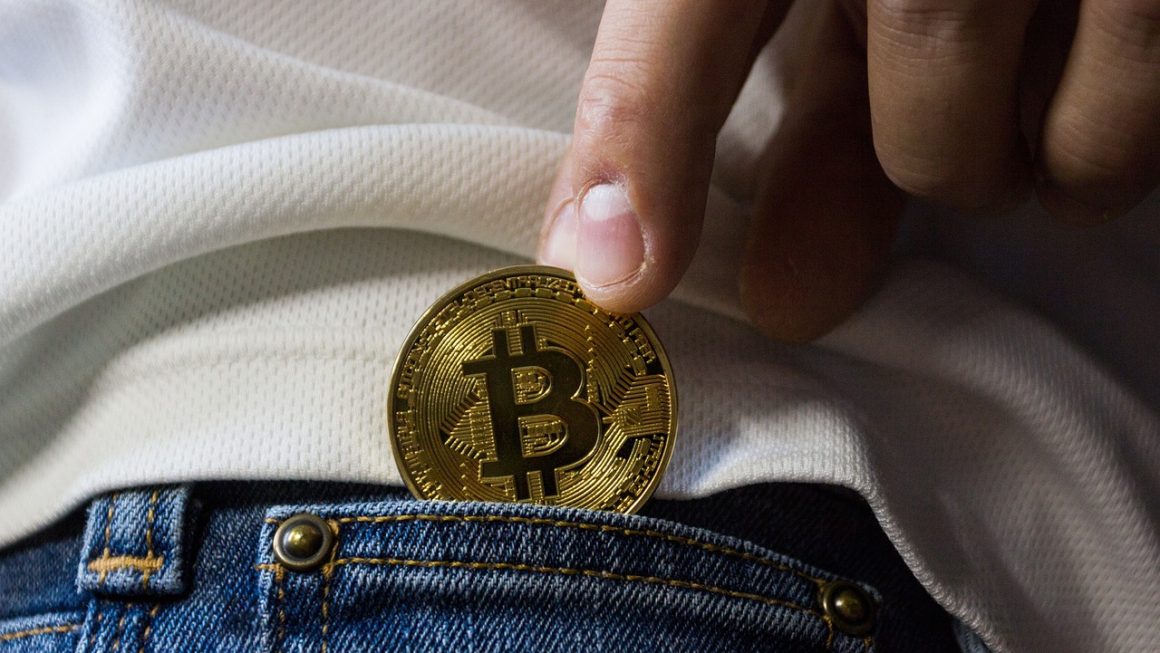
In the evolving landscape of digital assets, the question of security has become paramount. As decentralized finance (DeFi) and cryptocurrency adoption hit new all-time highs, the risks associated with holding funds on centralized exchanges or hot wallets have never been more apparent. If you are serious about long-term wealth preservation in the crypto space, a hardware wallet is no longer an optional accessory—it is an essential tool for protecting your digital sovereignty. By keeping your private keys entirely offline, these devices act as an impenetrable vault against the growing tide of sophisticated cyber-attacks and phishing attempts.
Understanding Hardware Wallets
A hardware wallet is a physical, electronic device designed to store your cryptocurrency’s private keys in an offline environment, commonly referred to as “cold storage.” Unlike software wallets (like browser extensions or mobile apps), a hardware wallet ensures that your sensitive information never touches an internet-connected device.
How They Work
The primary function of a hardware wallet is to sign transactions internally. When you initiate a transfer of funds, the transaction data is sent to the device; the device signs it within its secure enclave and sends only the signed transaction back to the network. Your private keys remain trapped inside the hardware, making it impossible for a hacker to steal them, even if your computer is infected with malware.
Why Offline Storage Matters
- Mitigating Online Vulnerabilities: Hot wallets are prone to keyloggers and screen-scraping malware; hardware wallets are immune.
- Protection Against Exchange Failures: History has shown that centralized exchanges can be insolvent or hacked. Self-custody puts the control back in your hands.
- Air-Gapped Security: Because the device is not connected to the internet, there is no remote attack vector for cybercriminals to exploit.
Key Features to Look For
Not all hardware wallets are created equal. When shopping for the best device to protect your assets, you must evaluate the hardware’s security architecture and the developer’s commitment to transparency.
Security Architecture
Top-tier wallets utilize Secure Element (SE) chips, which are the same chips found in credit cards and passports. These are hardened against physical tampering. Furthermore, look for devices that are open-source, allowing the community to audit the code for potential vulnerabilities.
Supported Assets and Integration
- Multi-Asset Support: Ensure the device supports the specific coins and tokens you hold.
- Software Integration: Many popular wallets integrate seamlessly with interfaces like Ledger Live, Trezor Suite, or Rabby Wallet for easy portfolio management.
- Staking Capabilities: Some modern hardware wallets allow you to stake assets directly from cold storage, earning yields without exposing your keys.
Best Practices for Setup and Maintenance
Owning a hardware wallet is only half the battle; maintaining proper security protocols is where most users fail. Proper initialization is the foundation of your digital security strategy.
The Recovery Seed Phrase
During setup, the device will generate a 12 to 24-word recovery phrase (also known as a seed phrase). This is the “master key” to your funds.
- Never store your seed phrase on a computer, smartphone, or cloud storage.
- Write it down on a physical piece of paper or, ideally, a stainless steel backup plate to protect against fire and water damage.
- Never share this phrase with anyone, not even customer support representatives.
Practical Security Tips
- Verify the Source: Always buy your hardware wallet directly from the manufacturer’s official website. Never buy a “used” device from marketplaces like eBay or Amazon.
- Use a Passphrase: Add an extra layer of protection by creating a custom “passphrase” (a 25th word), which acts as a secondary PIN for accessing hidden sub-accounts.
Hardware vs. Software Wallets: A Comparison
Understanding the distinction between these two storage methods helps in deciding which strategy is best for your specific needs.
The Trade-offs
While software wallets offer convenience for “daily spending” money, they are not suitable for large, long-term holdings.
- Software (Hot) Wallets: Highly convenient, free, but carry high security risks.
- Hardware (Cold) Wallets: High security, require a physical purchase, slightly higher learning curve for transactions.
When to Make the Switch
A general rule of thumb is the “Hard Cap” strategy: if the amount of cryptocurrency you hold exceeds the cost of a hardware wallet (usually around $70–$150), it is mathematically and logically sound to invest in a device. Protecting $5,000 worth of assets with a $100 device is an insurance policy with a massive ROI.
Conclusion
The cryptocurrency ecosystem is rapidly maturing, but with increased adoption comes a higher frequency of malicious activity. Moving your assets to a hardware wallet is the single most effective step you can take toward securing your digital future. By utilizing air-gapped technology, secure elements, and robust recovery processes, you transition from a vulnerable participant to an empowered custodian of your own wealth.
Remember, in the world of crypto, “not your keys, not your coins” is more than just a motto—it is the foundation of true ownership. Take the initiative today, secure your assets, and enjoy the peace of mind that comes with knowing your wealth is safely under your control.