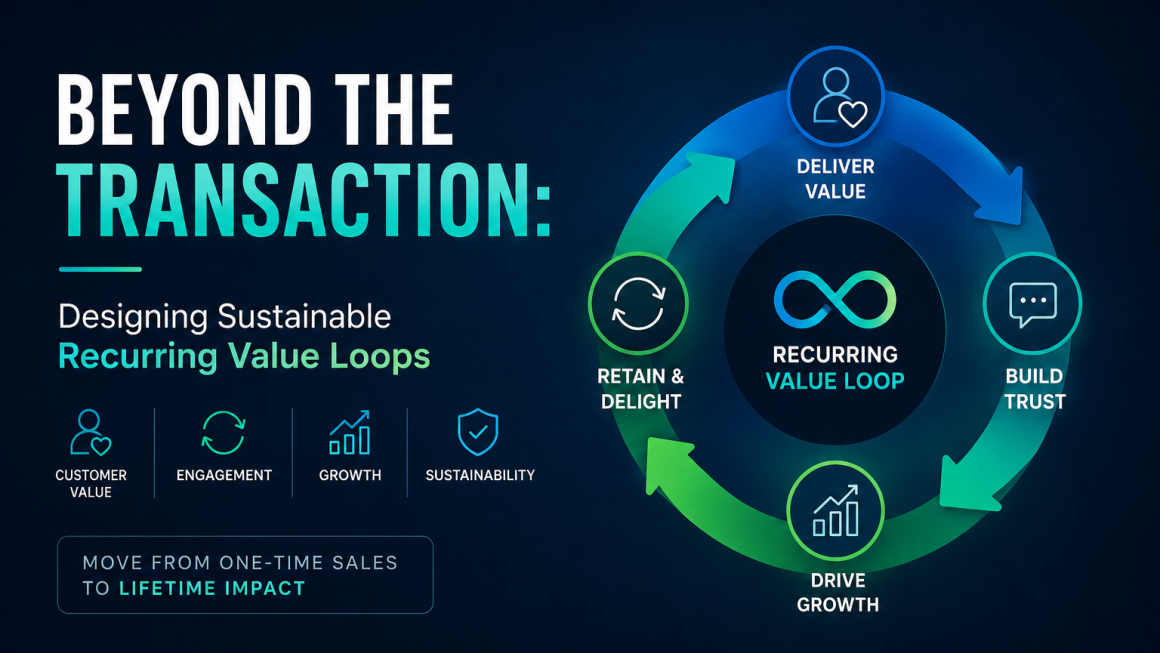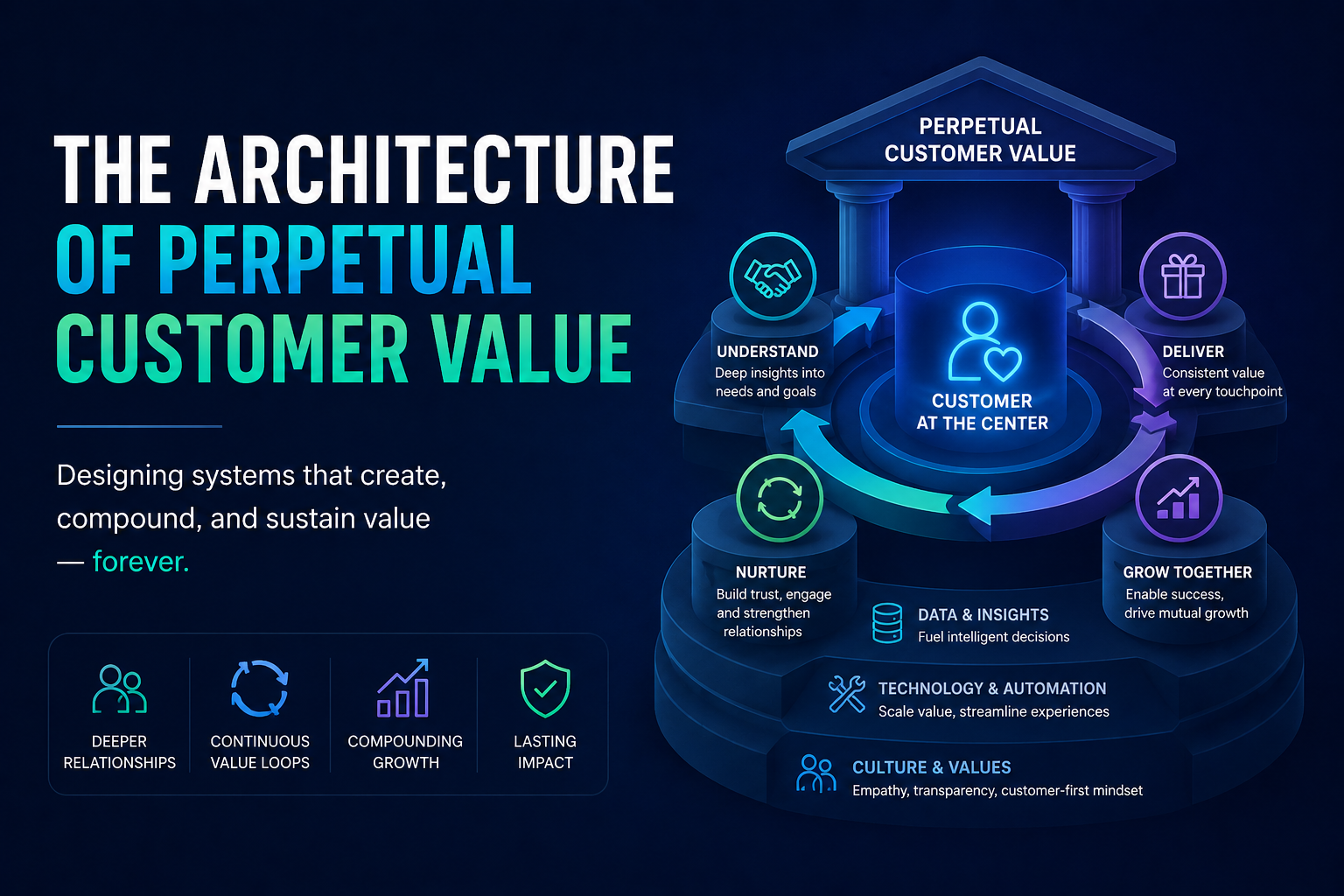
In today’s rapidly evolving digital economy, the subscription model has transformed from a niche billing method for newspapers and magazines into the dominant strategy for modern business success. By shifting the focus from one-time transactions to recurring relationships, companies can unlock predictable revenue streams, foster deeper customer loyalty, and adapt more nimbly to changing market demands. Whether you are a startup founder or an established enterprise leader, understanding the mechanics of the subscription economy is essential for long-term growth and scalability.
The Evolution of the Subscription Model
The concept of “subscribing” to a service is centuries old, but its application has reached unprecedented heights thanks to digital transformation. Subscription models have moved beyond physical products to encompass software, content, and even everyday essentials.
Understanding the Shift
Historically, businesses focused on maximizing individual purchase values. Today, the focus has shifted toward Customer Lifetime Value (CLV). This transition prioritizes retention over acquisition, acknowledging that it is significantly more cost-effective to keep an existing subscriber than to win a new customer.
Key Drivers of Growth
-
- Predictability: Recurring revenue allows for better financial forecasting and investment planning.
-
- Data Insights: Ongoing relationships generate a wealth of behavioral data, enabling hyper-personalization.
-
- Lower Barrier to Entry: Lower upfront costs make services more accessible to a broader consumer base.
Types of Subscription Models
Not all subscription businesses are built the same. Understanding which model fits your offering is the first step toward implementation.
Access-Based Subscriptions
This model grants users access to a library or platform, such as Netflix or Spotify. The value is derived from unlimited usage of the service.
Replenishment Subscriptions
Common in e-commerce, this model automates the purchase of consumable goods. Examples include:
-
- Dollar Shave Club (razors)
-
- Amazon Subscribe & Save (household supplies)
-
- Coffee bean delivery services
Curation and Discovery
These models delight customers by delivering curated products periodically. Examples include beauty boxes or wine subscription clubs that prioritize the “unboxing” experience.
Benefits of Implementing a Subscription Strategy
Adopting this model can fundamentally alter your company’s valuation and operational efficiency.
Financial Stability
Recurring revenue provides a cushion during market volatility. According to industry data, subscription-based companies have grown their revenues about five times faster than S&P 500 companies over the last decade.
Deepened Customer Relationships
Because you are in constant contact with your customers, you have multiple touchpoints to solve their problems, solicit feedback, and build a community around your brand.
Actionable Takeaway
To maximize these benefits, focus on frictionless onboarding. If a user finds your subscription service difficult to join or manage, they will likely churn before they realize the value of your offering.
Critical Metrics to Track
You cannot improve what you do not measure. Subscription businesses rely on specific KPIs to gauge health and sustainability.
Monthly Recurring Revenue (MRR)
MRR is the lifeblood of a subscription business. It measures the predictable revenue you can expect to earn every month from all active subscriptions.
Churn Rate
Churn represents the percentage of customers who cancel their subscription over a specific period. Minimizing this is the single most important task for a growth-oriented team.
Customer Acquisition Cost (CAC) vs. CLV
You must ensure your CLV is significantly higher than your CAC. A healthy business model typically sees a 3:1 ratio or better, meaning the value a customer brings over their tenure is three times what it cost to acquire them.
Best Practices for Scaling Your Model
Scaling requires a delicate balance of acquisition, retention, and pricing optimization.
Tiered Pricing Structures
Offering multiple tiers—such as Basic, Pro, and Enterprise—allows you to capture different segments of the market. This ensures that both budget-conscious users and power users find value in your service.
The Power of Experimentation
-
- A/B Testing: Test different price points, trial lengths, and landing page messaging.
-
- Churn Reduction Campaigns: Reach out to customers who have not logged in for a while with “we miss you” offers or feature updates.
-
- Win-back Strategies: When a user cancels, use exit surveys to understand why, and offer a “pause” option instead of a total termination.
Conclusion
The subscription model is more than a pricing trend; it is a fundamental shift in how value is delivered and perceived. By focusing on long-term relationships, leveraging recurring revenue for financial stability, and constantly refining your customer experience based on data, you can build a resilient and scalable business. Whether you are moving from a one-time sales model or optimizing an existing subscription service, remember that the key to success is continuous value delivery. When your customers view your subscription as an essential part of their daily or professional life, growth becomes a natural consequence of the value you provide.