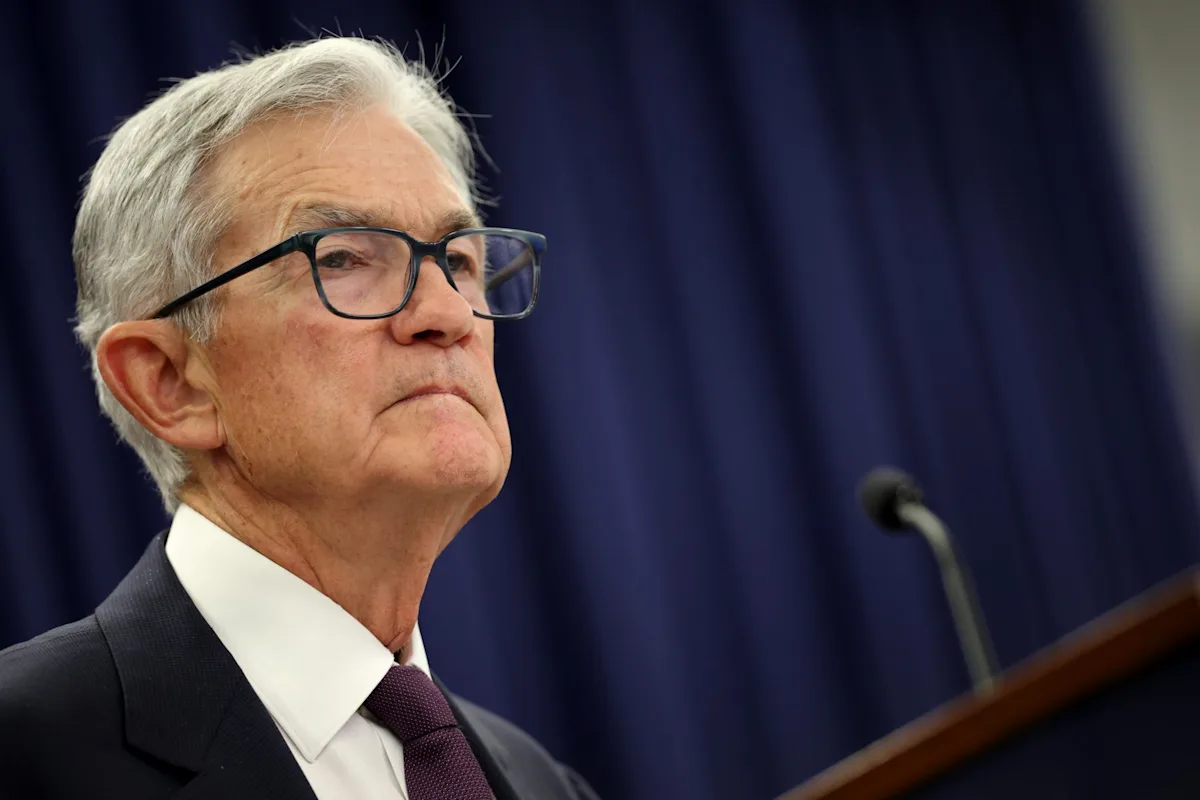
S&P 500 futures are up 0.32% this morning, with the index closing unchanged at 6,941 yesterday. Investors appeared to be encouraged by strong job market data released yesterday by the U.S. Bureau of Labor Statistics. With the unemployment rate falling to 4.3% from 4.4%, many Wall Street analysts say that means the Fed is now less likely to cut interest rates further. The theory goes that if the economy is doing well, there is no need to risk inflation by providing more and cheaper money.
Some of them believe the labor market is now so tight that the Fed may even Increase interest rates (a situation that may incite the ire of President Donald Trump).
But as always, the devil is in the details. Some analysts worry the latest data may be wrong, with U.S. job creation at lower levels than the statistics suggest.
First, the number of new jobs added in January was 130,000, about double analysts’ expectations. Of course, analysts aren’t always right. But interestingly, the reported numbers are far from economists’ estimates.
Second, the Bureau of Labor Statistics lowered its previously reported employment numbers for 2024-2025. The agency said the actual number was only 181,000, not the 584,000 previously estimated.
This suggests that January’s numbers may also be revised downwards in the coming months.
For now, traders choose to believe the numbers. The highly reliable CME FedWatch Index, which tracks bets on the Fed’s future rate-setting decisions, shows a 92% chance of the Fed keeping rates at 3.5% in March and a 78% chance of keeping rates at that level in April. In June alone, the probability of a rate cut reached 50%.
“The broad-based strength in the January jobs report supports our view that the Fed will not cut spending [current Fed chairman] Powell,” Shruti Mishra and her team at Bank of America advised in a note. wealth. (Powell will leave office in May.)
Macquarie analysts even believe the Fed may be forced to raise interest rates if the job market continues to tighten. David Doyle and Chinara Azizova told clients: “We still expect that the rate cuts have been completed and that the next step may be a rate hike, possibly in 2026.”
But others believe the overall jobs data masks weakness beneath the surface. Moody’s Chief Economist Mark Zandi told Channel