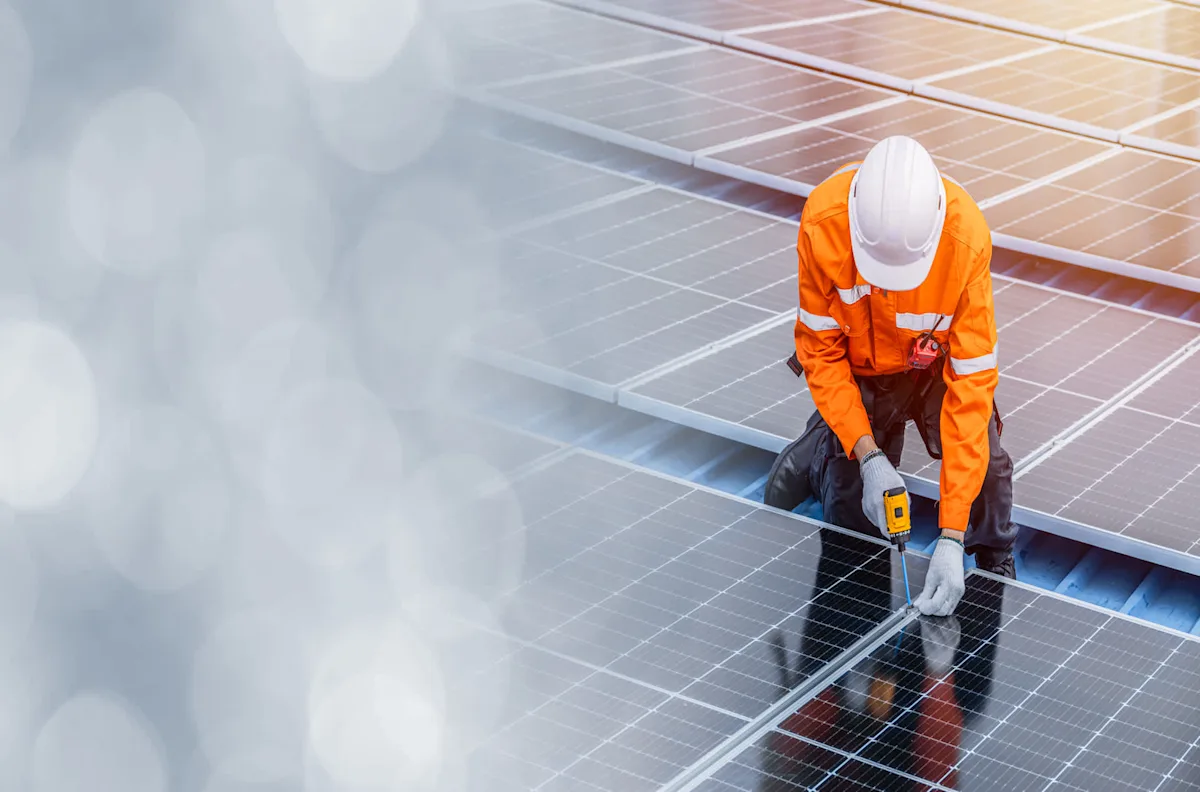
Rooftop solar has long been growing rapidly in the United States, especially in California. According to the New Lede, small-scale solar power generation in California increased sixfold between 2015 and 2023.
But there has been a deep recession over the past two years, with rooftop solar installations falling sharply, and changes in solar policy look set to compound the problem.
On the surface, it might be difficult to understand why solar installations are declining in this way. Switching to rooftop solar panels is a way to instantly cut your power bill without harming the environment – in fact, it’s good for the environment.
If you want to make the changes yourself, explore TCD’s Solar Explorer for resources like EnergySage’s free tools that can help you get quick estimates from installers in your area and easily compare quotes between them.
However, by 2024, 42 of the 50 states installed less solar last year than the year before, with overall capacity down 39%. This trend continues into 2025, and with the Trump administration determined to cut solar incentives, it will only become increasingly difficult for individual homeowners to install their own solar panels.
“Things don’t look good. I don’t know how long it will take to recover,” said Grace Wu, an assistant professor in the environmental studies program at the University of California, Santa Barbara, according to the New Lede.
Utility-scale solar offers some hope, continuing to add to total solar capacity in the United States. While this does lower utility bills and reduce pollution, it doesn’t put power into the hands of individuals the way rooftop solar does.
Opponents of rooftop solar are celebrating the trend, saying rooftop solar costs non-solar users $8.5 billion a year in grid bills. However, rooftop proponents say that figure intentionally ignores all the benefits of rooftop solar, and once those factors are taken into account, non-rooftop solar owners actually gain $1.5 billion. At the same time, the environment becomes better due to the use of clean energy.
If you’re ready to make the switch, EnergySage’s free services can make an incredible difference to your solar installation experience. Not only does the organization make it easy to find vetted installers near you without risking sales pitches, but its help can save the average homeowner up to $10,000 on solar purchase and installation.
You can get detailed numbers for your state with a handy map tool. Make sure to take advantage of these incentives early; the federal program that provides a 30% tax credit for solar installations expires at the end of 2025.
To further reduce your energy bills, you can pair solar panels with energy-efficient equipment such as an electric heat pump. To easily choose the right product for your home and budget, check out TCD’s HVAC Explorer and save up to 50% on your heating and cooling bills.
Get TCD’s free newsletter for simple tips to save more, reduce waste and make smarter choices, and earn up to $5,000 toward clean upgrades in TCD’s exclusive Rewards Club.