The U.S. economy remains the envy of the world in many ways, at least in the eyes of President Donald Trump. But its lofty status is threatened by factors such as the United States’ own chronic inability to balance its budget, and the administration’s trade policies are partly to blame for its efforts to achieve that goal.
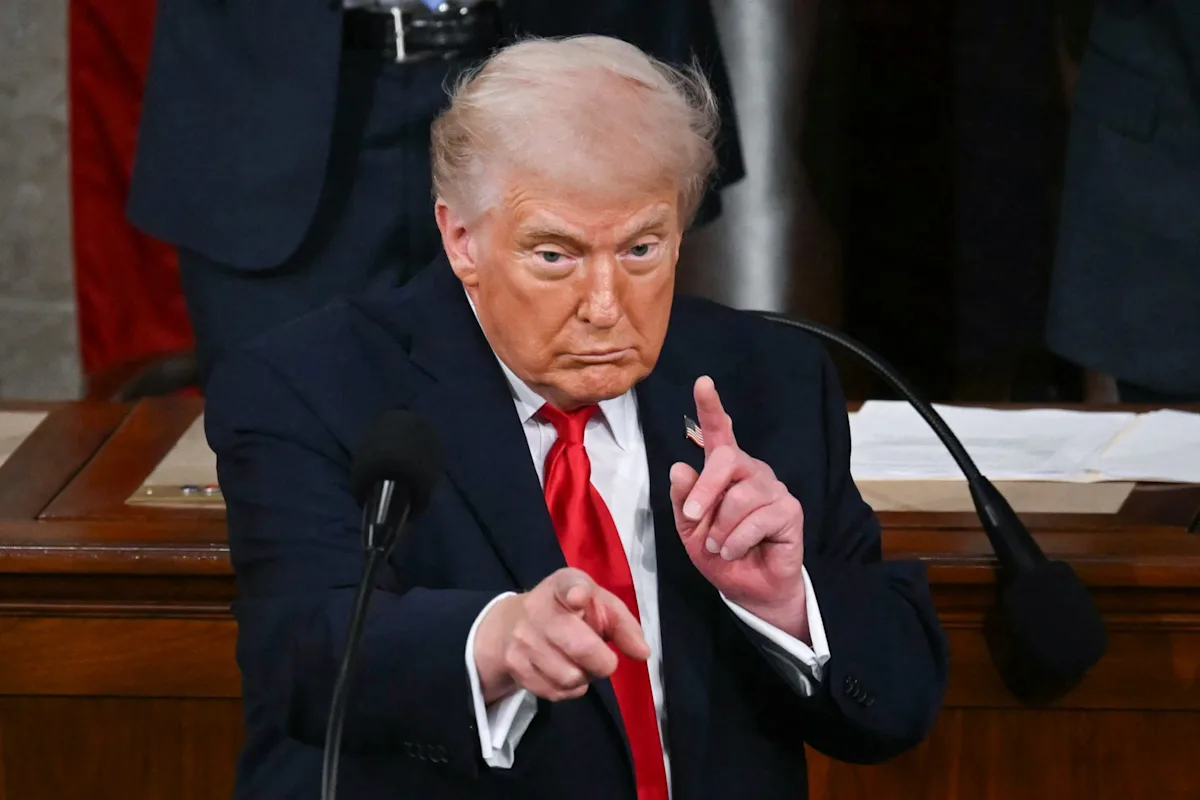
Trump said in his State of the Union address this week that the United States is “winning again, in fact, we’re winning so much that we really don’t know what to do with it.” Despite lower approval ratings, Trump may soon score points for the economy with help from the International Monetary Fund, which this week emphasized that the United States remains an economic powerhouse in many ways.
Kristalina Georgieva, managing director of the International Monetary Fund, said that strong economic growth, rising productivity and a labor market that has proven adaptable and resilient paint a good picture for the U.S. economy.
“We expect continued strong growth in the strong U.S. economy this year and next,” Georgieva said on Wednesday shortly after her agency released its annual review and outlook for the U.S. economy.
Georgieva praised the U.S. private sector for its “outstanding performance” over the past year. GDP growth reaches 2.2% in 2025, and the International Monetary Fund expects it to accelerate to 2.4% this year. She added that this resilience has made the United States a major economic driver in the world, creating “positive spillovers” for the global economy at a time of high international uncertainty.
Georgieva said a strong economy may be the country’s best chance of making up for its growing deficit. But Trump’s enthusiasm for punitive tariffs as the main driver of his trade policy could actively hinder achieving a balanced budget, at least according to IMF advice.
A deterioration in the country’s fiscal balance threatens to undo the benefits of a strong U.S. economy. Under current policies, general government debt – a measure of countries spending more than they take in – could reach 140% of GDP in the next five years, potentially exceeding $50 trillion, according to the International Monetary Fund. The agency noted a disturbing paradox in recent policy shifts. While tax and spending reforms last year, largely legislated through the Trump administration’s One Beauty Act bill, are expected to provide a modest boost to economic activity this year and next, they will be overshadowed by higher spending and lower tax revenues that will continue to push up the federal debt.
Trump sees tariffs as a key measure to raise revenue and reduce the deficit, but Georgieva implicitly refuted that assertion. She called U.S. tariffs a “headwind to stronger growth” that weighed on productivity. Amid the story of a strong U.S. economy, “we could have seen more good news” without the punitive impact of tariffs, she said.