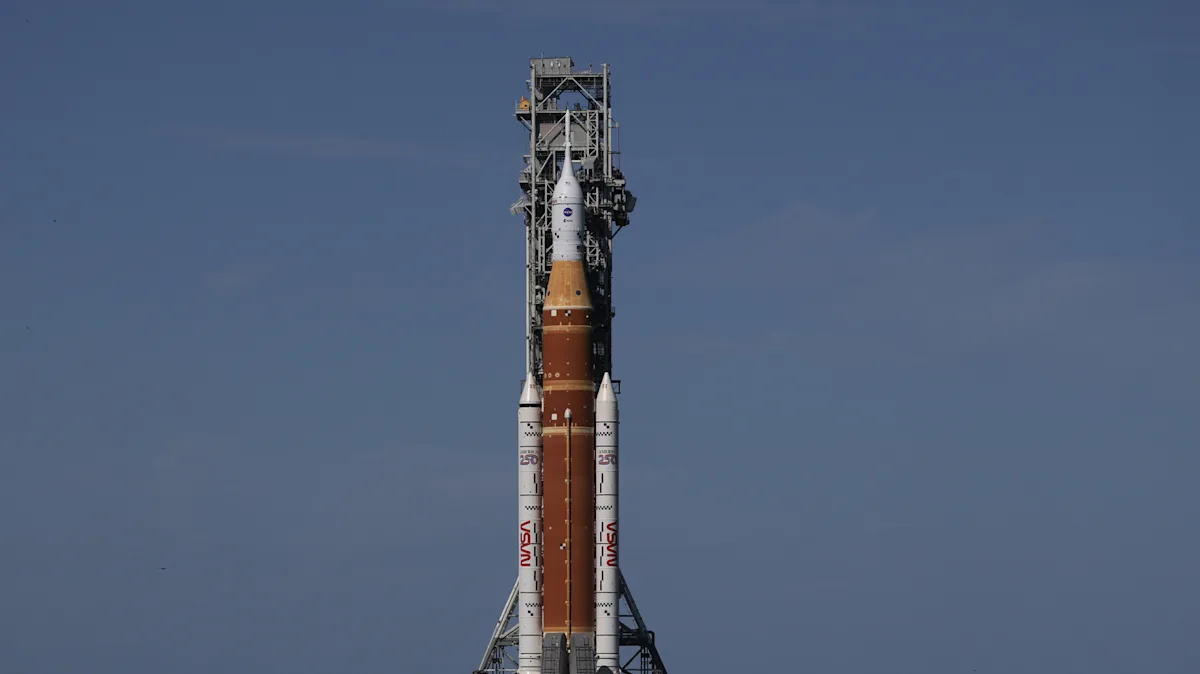
They are so close. After years of hard work and more than 50 years since humans last landed on the moon, NASA is finally ready to launch the first manned flight in the Artemis program, Artemis 2. However, with Artemis 2 still facing so many problems, the space community remains on edge, unsure if or when the space rocket might actually take to the skies. Unfortunately, the problem appears to have been resolved, as NASA is now preparing to roll back the SLS rocket and Orion spacecraft, effectively canceling the March launch attempt, at least for now.
For those who are not familiar with the various terms used for the different stages of a rocket launch, rollback essentially refers to the “rollback” of the rocket and all of its components from the launch pad to the Vehicle Assembly Building (VAB). The VAB is where the rocket can work, allowing the engineers responsible for the rocket and its various systems to troubleshoot any issues that may arise, and getting the rocket back to the VAB takes approximately 12 hours as it is a 4-mile trek.
In this particular case, the problem holding up Artemis 2’s launch does not appear to be an issue with the Artemis spacesuit, or even a hydrogen leak encountered during refueling of the SLS rocket. Instead, one of the latest attempts to prepare the rocket for launch appears to have led to the discovery of a new problem: a helium leak in the upper stage rocket.
Read more: SpaceX’s Raptor engines compared. Blue Origin’s BE-4 – What’s the difference between these rocket engines
Ongoing issues require closer inspection

NASA Artemis II in the VAB at Kennedy Space Center – Joe Raedle/Getty Images
Artemis 2’s current problems aren’t entirely related to the latest version of the launch vehicle, either. Artemis 1 has encountered similar issues before, including some concerns about the heat shield used to protect the Orion capsule during its return to Earth. Many of these issues also extended to Artemis 2, however, NASA has waived most of them as they should not affect the flight. That’s why the discovery of this helium leak has attracted so much attention.
Because unlike hydrogen leaks, which are only relevant when the rocket is refueled, helium leaks are specifically related to the rocket’s upper stage. The rocket uses helium to help maintain what NASA calls “proper environmental conditions” to ensure the engines stay functioning properly and to pressurize the liquid hydrogen and liquid oxygen propellant tanks. Therefore, any type of leak carries an additional risk of problems.
Currently, it’s unclear when NASA will attempt to launch Artemis 2. First, the agency needs to return the rocket to the VAB so it can begin investigating the problem. It might also be worthwhile to look into other issues plaguing Artemis, but for NASA, there’s no telling what it would focus on beyond the immediate problem. All onlookers can really do now is hope that NASA doesn’t have another Starliner situation. For now, though, NASA is aiming to cancel Artemis 2 sometime this week.
Like this article? Sign up for BGR’s free newsletter and add us as your go-to source for the latest technology and entertainment, as well as tips and advice you’ll actually use.
Read the original article about BGR.