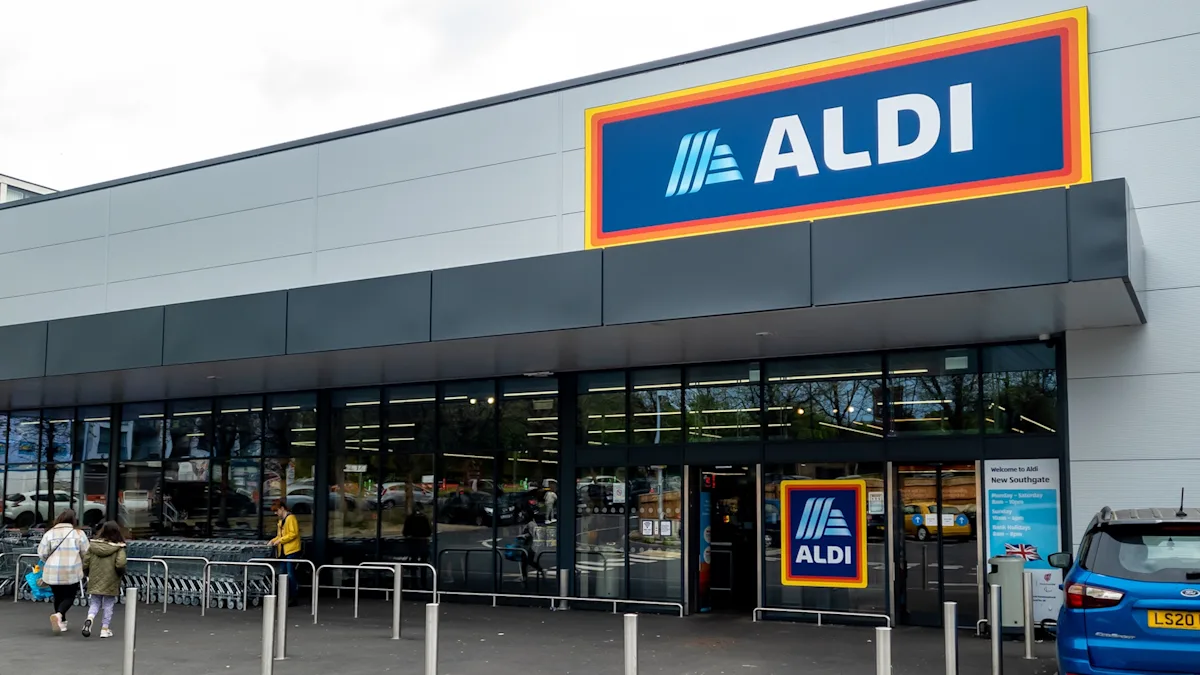
Nothing ruins the holiday spirit like an unexpected allergy. Unfortunately, Aldi’s Christmas-themed products may leave a bad impression on some customers.
What happened?
The British supermarket chain has recalled Perfect Christmas Mozzarella Blanket Sticks from its stores, The Independent reports. This product contains eggs, but this is not listed on the packaging.
“Customers are asked to return this product to their nearest store where they will receive a full refund,” Aldi wrote in the recall notice. “We apologize that this product does not meet our normal high standards and thank you for your cooperation.”
The affected products are sold in 278-gram (approximately 9.8 ounce) packages and have a best-by date of December 15. The UK’s Food Standards Agency (FSA) is urging consumers with egg allergies or intolerances to return products rather than roll the dice.
Regardless, customers can cash in on their Aldi refunds. Aldi has also told customers they can get more information via a phone number or help.aldi.co.uk.
Why is Aldi’s product recall important?
Labeling accuracy is critical for managing food intolerances and allergies. When companies fail to list allergens, consumers must rely on others for accurate information.
People who are allergic to eggs may have severe reactions when they just want to enjoy some seasonal maz bars. You can imagine the potential consequences, including a possible trip to the hospital.
Eggs are one of 14 allergens required to be declared by the FSA, and the U.S. Food and Drug Administration considers them one of the “Top Nine” allergens that cause reactions and symptoms.
Food recalls often highlight broader concerns in the food production industry, including a lack of oversight or inconsistent safety standards. These failures can lead to cross-contamination between different products or the introduction of unlisted allergens and harmful substances into food.
This can have a significant impact on families. In addition to eggs, many other things are mistakenly added to foods, including another common allergen: milk. Other instances include turning plastic sheets into pulled pork sandwiches or salad dressing.
What measures are being taken regarding food safety?
Ultimately, ensuring better food safety requires the combined efforts of manufacturers, regulators and consumers. On the front end, manufacturers need to ramp up production to minimize errors that can lead to loss and contamination of unlisted ingredients.
Regulators can proactively inspect manufacturers to ensure they strictly adhere to food safety standards. Because humans are involved, there’s always a chance that something might be missed.
It is the consumer’s responsibility to raise the alarm if something goes wrong with the food. Regulators can quickly disseminate this information and minimize damage through comprehensive and convenient recall notifications.
Next, the producer needs to figure out what went wrong and resolve any lingering issues that caused the error.
Get TCD’s free newsletter for simple tips to save more, reduce waste and make smarter choices, and earn up to $5,000 toward clean upgrades in TCD’s exclusive Rewards Club.