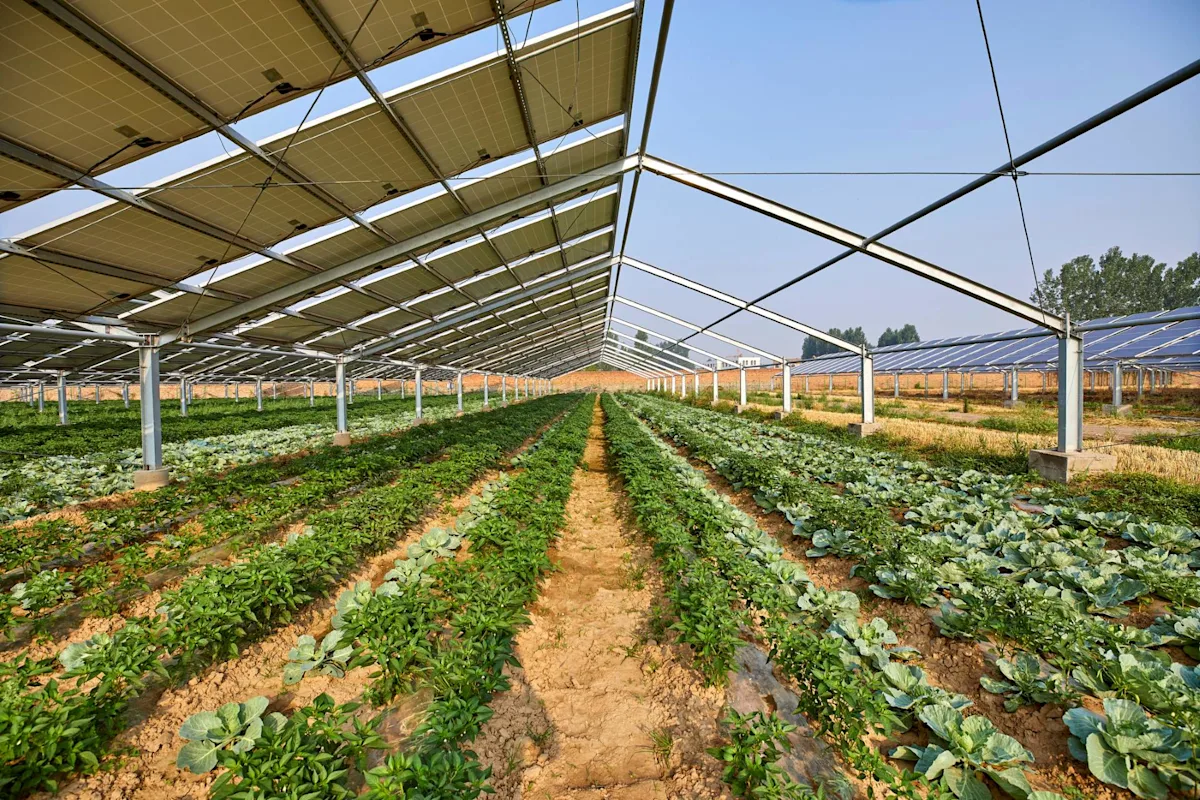
Broccoli may become a compromise crop in Louisiana as experts weigh the potential of agrivoltaics, a practice that combines agriculture and solar energy.
The state is not known for large-scale vegetable production, which made it a surprising choice for the study led by Caitlin deNux, an assistant professor at the University of Louisiana at Lafayette.
It’s part of an unknown review of practices in the Pelican State to find options that benefit both farmers and energy production, according to the Acadiana Advocate. If successful, the research could provide a blueprint for better land management.
“We are studying whether agrivoltaics are suitable for Louisiana’s climate and whether specialty crops are equally nutritious when grown in the shade,” DeNux told The Advocate.
Agrivoltaics are a symbiotic environment where crops grow, pollinators work, and animals graze under or around the solar panels. The Department of Energy said the research is critical to understanding whether the environment can increase incomes for farmers through the sale of electricity, as well as ecological and other benefits.
The advocate points out that when crops absorb moisture from the ground, it releases it in the form of vapor, which cools the panels and helps them perform better. This dual-use model is already delivering benefits to farmers in California and other states.
According to the American Farmland Trust, approximately 2,000 acres of farmland are lost every day to non-agricultural reasons. In addition, Goldman Sachs estimates that data center power demand will increase by 165% by 2030. That’s why Meta and other tech giants are investing in various energy sources, including solar, which require more land.
By itself, solar power does not contribute to air pollution, which the American Lung Association notes is a respiratory boon with numerous health benefits.
But agrivoltaics is not without its critics, who bemoan the elimination of critical farmland that is a core producer of crop yields in Louisiana.
“I don’t think being able to use solar panels to convert 500 acres of sugar cane into 500 acres of vegetable crops, at least not without a major hit to farmers or producers,” Louisiana State University AgCenter researcher Kurt Guidry said, according to The Advocate. “I doubt it. It would probably need to be on a much smaller scale.”
DeNux’s team grew 434 broccoli plants under panels on a research solar farm to test how the plants would grow between the arrays. The study will consider the appearance and taste of vegetables.
“A study in South Korea showed that broccoli grown in AV plots was a more vivid green. It looked very fresh compared to the dull green color of conventionally grown plants. Customers there preferred the visual appeal and taste of AV-grown broccoli. This may increase consumer demand,” deNux said.
Solar energy can also save money at the community level. Home solar with battery backup provides blackout protection and prevents electricity prices from skyrocketing. Cool Down’s Solar Explorer can provide you with competitive quotes, vetted installer recommendations, and other information that can significantly reduce your upfront costs.
There could soon be more impossible bids and bushes for solar farms in Louisiana. A project in Monroe will provide enough power for 17,000 homes. According to NOLA.com, the property will house 600 sheep, which will be grazed to keep the turf low.
This is another example of dual-use vision.
“The whole premise is really looking at sustainability and dual revenue streams for producers from energy that they can sell back to the grid,” deNux said, according to the Advocate.
Get TCD’s free newsletter for simple tips to save more, reduce waste and make smarter choices, and earn up to $5,000 toward clean upgrades in TCD’s exclusive Rewards Club.