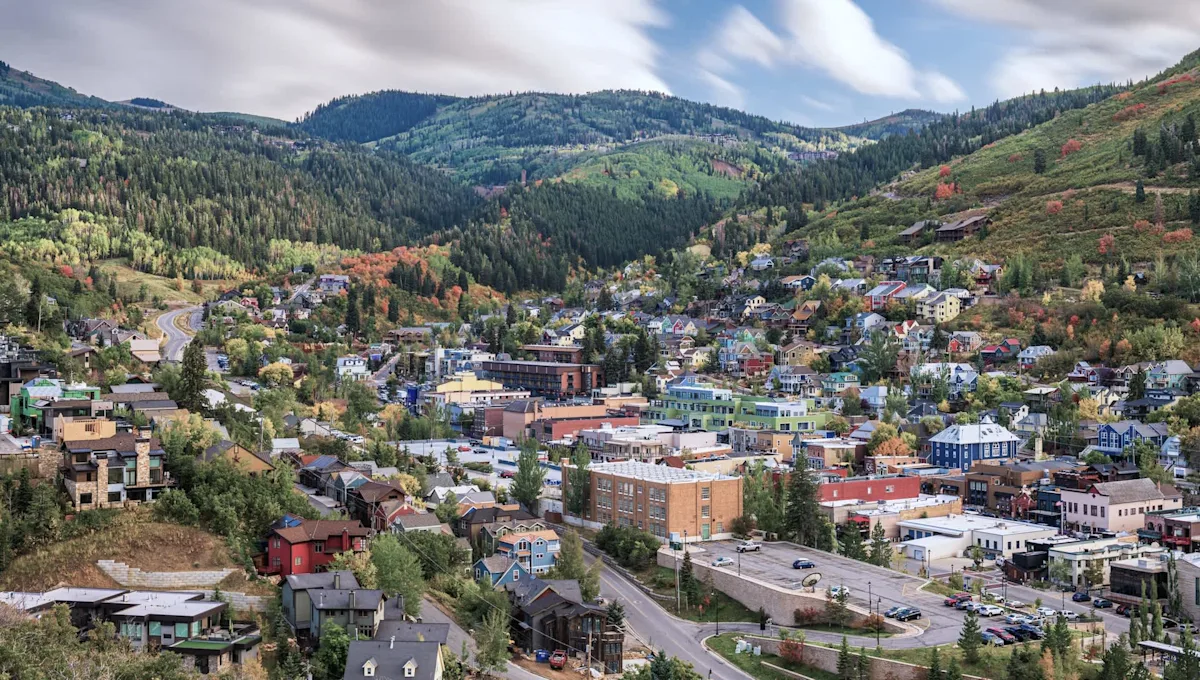
Utah is facing its worst snowpack shortage since measurements began more than 40 years ago, threatening summer water supplies and agricultural production in the already troubled Great Salt Lake.
What happened?
According to KPCW, Utah’s snowpack reached record lows in February as we entered the last two months of winter. Measurements taken in the state since 1980 show the current accumulation is at unprecedented depths, causing water managers to warn of severe shortages this summer.
Wasatch County County Sheriff Dustin Grabau recently spoke about the crisis on KPCW’s “Local News Hour.”
“This is a serious problem everywhere,” he said. “Wasatch County has the advantage of being adjacent to some reservoirs, so we think we’ll be able to meet a certain level of demand, but realistically, without snow, we’re going to be in some trouble this summer.”
County officials are considering implementing mandatory conservation measures for the first time in the region’s history. Farm irrigation infrastructure may cease functioning before household taps run dry, forcing farmland into hibernation.
State leaders have approved a $30 million purchase of a controlling stake in U.S. Magnesium Corp., which includes critical water allocations to prevent industry from being diverted from the Great Salt Lake. The concentrator closed three years ago due to financial and environmental difficulties.
Why does the lack of snow matter?
Water levels in the Great Salt Lake are just a few feet above record lows, and further declines have exposed lakebed sediments containing arsenic and heavy metals that have been blown into densely populated areas, creating potential respiratory emergencies. Economic stability also suffered as lake-dependent industries disappeared along with tourism revenue.
Residential communities face impossible choices between landscaping, recreation, and maintaining adequate reserves to meet a family’s basic needs. Grabau noted that farms can temporarily cease operations, “but it’s harder when you have people living in the home who can’t shower or drink or do other things,” KPCW said.
Worsening extreme weather is causing communities in Utah and around the world to face growing water shortages, with agricultural problems leading to job losses and higher food prices.
While extreme weather events occur and often pose challenges, experts have concluded that the human-induced climate crisis is exacerbating these events, further endangering communities.
What is being done about water shortages?
Utah lawmakers are expected to introduce multiple proposals during the 2026 session to address water supply challenges. Officials have committed $30 million in grants to protect the Great Salt Lake.
Communities can come together to support policies that address warming trends that exacerbate drought patterns. Exploring the key issues surrounding these changes can help you learn more about solutions to protect water resources in your region.
Get TCD’s free newsletter for simple tips to save more, reduce waste and make smarter choices, and earn up to $5,000 toward clean upgrades in TCD’s exclusive Rewards Club.
