00:00 Speaker A
We did get word that you were, in fact, the one who talked to Chip about this.
00:04 Speaker A
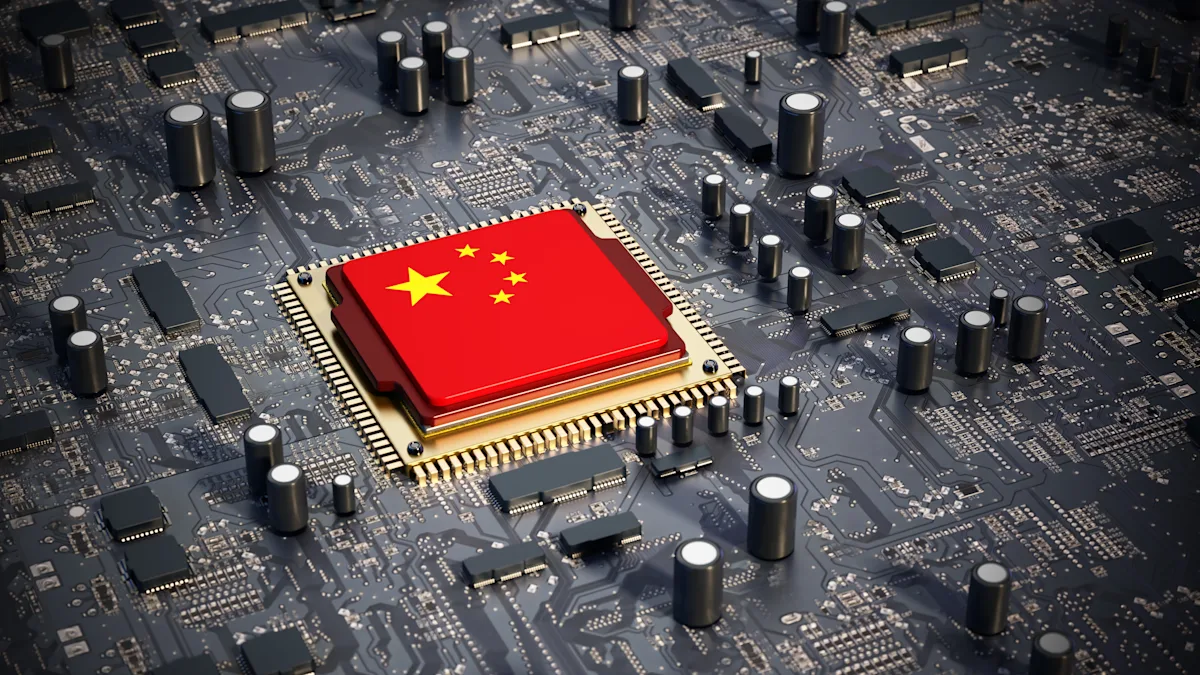
So, the magazine reports that, well, China has approved the purchase of Nvidia’s popular H200 AI chip for the first time.
00:13 Speaker A
Uh, Alibaba, ByteDance, they got the first batch of approval documents. .
00:18 Speaker A
You saw that headline, Chris, you saw that coverage. What do you think about this?
00:23 Speaker B
Well, I don’t think it’s surprising that China wants a certain amount of these chips. They are more powerful and larger than Chinese chips that can be produced domestically
00:35 Speaker B
Uh quantity. Therefore, China’s leading enterprises really need these chips to deploy their artificial intelligence systems on a large scale.
00:41 Speaker B
But I think at the same time, China is determined to be self-sufficient in AI chips, or at least as close to it as possible.
00:54 Speaker B
Therefore, the Chinese government will continue to work hard to build its own chip ecosystem to break away from dependence on foreign (especially American) chip suppliers.
01:05 Speaker A
Chris what does green lighting mean here? What does this indicate? What does this say about the current strength of China’s local artificial intelligence chip companies?
01:15 Speaker B
Um, I think any uh objective estimate would suggest that they’re way behind, especially in terms of the number of chips that they’re actually producing.
01:23 Speaker B
Our best estimate is that the United States plus partners in Taiwan and South Korea will produce 30 times the number of artificial intelligence chips this year than China.
01:34 Speaker B
So that’s a huge gap, especially given China’s aspirations to become one of the two largest players in AI.
01:42 Speaker B
So China needs these chips and they know it. Uh, but they also uh know that in the long term, they don’t want to be dependent on foreign chips, which is why they’re so focused on improving their own domestic chip manufacturing ecosystem.
01:54 Speaker B
Although I think it will be a while before they can match Taiwan’s chip manufacturing capabilities.
02:01 Speaker A
You know, not everyone, Chris, as you know, thinks this is such a smart move, such a smart strategy. Well, not everyone thinks we should sell AI chips to China.
02:11 Speaker A
Anthropic CEO Dario Amoday um you saw Chris recently and this is his take on it.
02:18 Speaker A
Said it was a mistake, said, I think this is crazy, he said, said, it’s a bit like selling nuclear weapons to North Korea.
02:26 Speaker A
What do you think of these comments?
02:29 Speaker B
Well, I think chips will indeed be used and already are used in defense and intelligence applications.
02:37 Speaker B
The United States does this, China does this, and all major powers in the world do this.
02:42 Speaker B
I think another aspect of the export controls debate is, what part of the technology stack do you want to support?
02:47 Speaker B
Obviously, if you restrict U.S. companies from selling chips to China, that’s bad for U.S. chip companies, but if you enable the next generation of Chinese model companies or cloud computing companies, then that could be a challenge for Open AI or Microsoft or AWS.
03:00 Speaker B
So the balance we have to strike is making sure that, yes, you don’t want to be too punishing to one chip company, but you also don’t want to provide the ability to enable Deepseek or Alibaba or ByteDance to train the next generation of models and provide greater competition for U.S. companies.