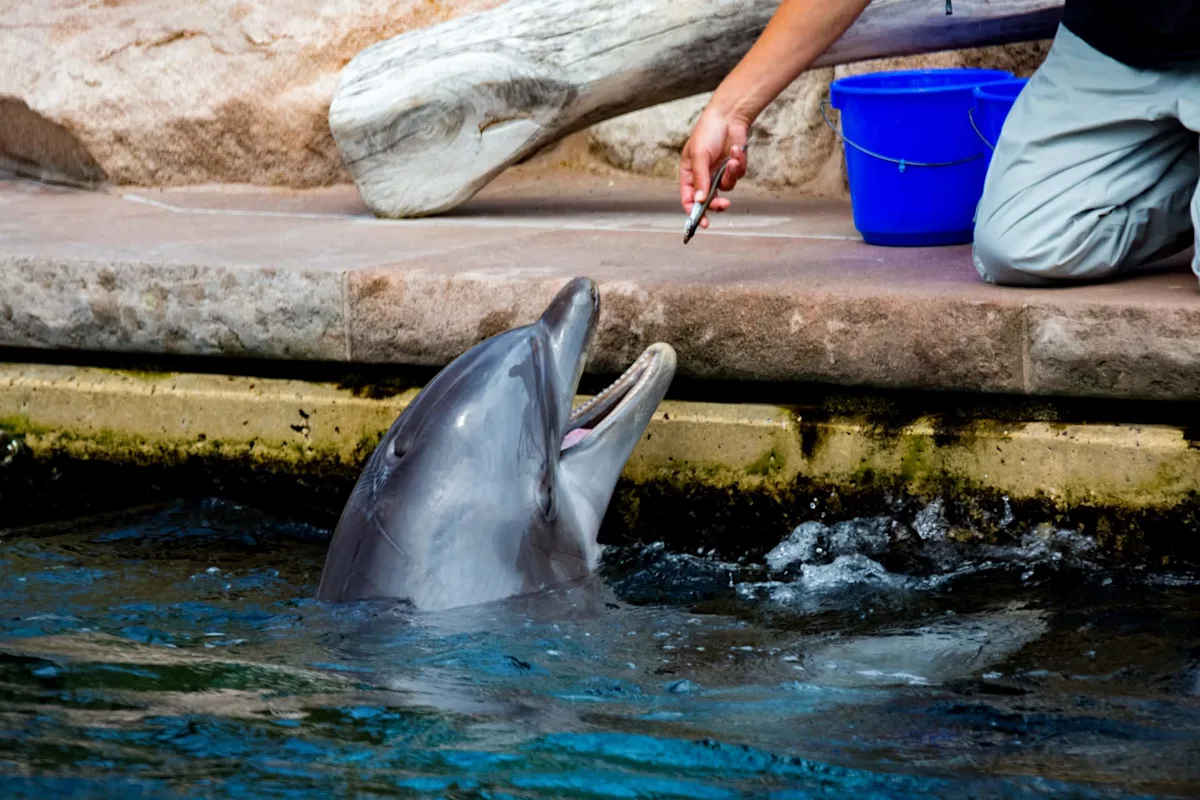
New research suggests that captive dolphins may be exposed to more microplastics than wild dolphins – a shocking finding that highlights how deeply plastic pollution has penetrated even controlled environments.
What happened?
A study published in the journal Communications Earth & Environment aimed to identify microplastics (tiny particles produced by the degradation of plastic) in captive and wild dolphin tissues, including skin, lungs, liver and intestines.
This is an important distinction, the researchers say, because many previous studies have only looked at microplastics in intestinal contents. The scientists hope to determine whether microplastic contamination extends into tissues.
Microplastics were found in 80% to 100% of all tissue samples from wild and captive dolphins, confirming that microplastics permeate the entire body rather than being restricted to the digestive tract.
Perhaps most surprising, captive dolphins carry much higher loads of microplastics than wild dolphins.
Captive animals contain an average of 0.67 microplastics per gram of tissue, while wild dolphins contain 0.19 microplastics per gram of tissue.
Wild dolphins exhibit a wider range of microplastic shapes and colors, which scientists attribute to different environmental sources. Captive dolphins exhibit a more uniform pattern that may be associated with indoor or aquarium-related materials such as textile fibers, facility equipment, or contaminated food and water.
Polyamide and PET were the most common types of plastic detected overall. Polyamide, commonly known as nylon, is commonly found in textiles, ropes, and industrial and automotive equipment.
PET, or polyethylene terephthalate, is commonly found in plastic bottles, food packaging and polyester clothing.
Why are these findings important?
Research on microplastics is still emerging, and scientists are just beginning to understand the full impact of these tiny particles. What is clear, however, is that they are very common and can cause lasting harm.
“There is growing recognition that microplastics pose a threat to marine ecosystems,” the study states.
This study highlights how deeply plastic pollution penetrates living organisms and how even captive species are not immune to contamination. The higher levels of microplastics found in captive dolphins show that plastic pollution extends far beyond our polluted oceans.
Plastics are integrated into everyday life – found in textiles, construction, food packaging and more. As they degrade, tiny plastic particles filter into the environment, seeping into food, water, and even the air we breathe.
With such high levels of microplastics in the tissues of wild and captive dolphins, the study raises serious questions about what microplastics other marine species — and even humans — might be carrying.
Microplastic pollution poses a high risk to all living things, as it is closely linked to health effects such as cancer, lung problems, hormone disorders, and more.
What measures have we taken to combat microplastics in marine life?
Microplastic research is still evolving and there is room for improvement. Experts have called for greater attention to animal tissues in microplastic research, stressing that analyzing only intestinal contents would significantly underestimate the toxicity of microplastics.
They advocate multi-organization monitoring to better understand exposure levels and assess potential health risks to wildlife and humans.
To help address the impact of plastic pollution on marine life, efforts have historically been made to clean up plastic waste already in the ocean. Attention from governments, conservation groups and industry has expanded to reducing the amount of plastic produced.
Developing alternatives to plastics and limiting the use of certain plastics, such as microbeads in cosmetics or single-use plastic bags, are key steps in reducing pollution. Improved recycling and waste management systems are also needed, which can prevent plastic from entering waterways in the first place.
Get TCD’s free newsletter for simple tips to save more, reduce waste and make smarter choices, and earn up to $5,000 toward clean upgrades in TCD’s exclusive Rewards Club.