Author: Nikunj Ohri and Sarita Chaganti Singh
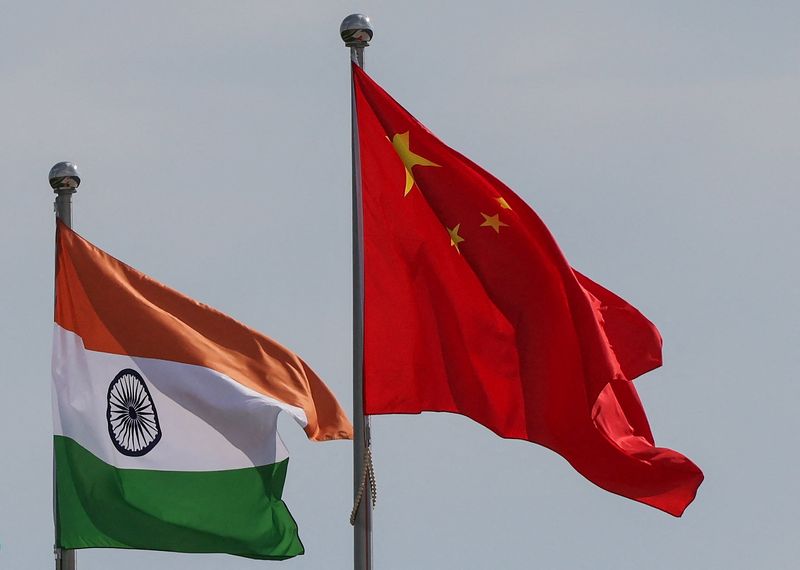
NEW DELHI, Jan 8 (Reuters) – India’s finance ministry plans to lift five-year-old restrictions on Chinese companies bidding for government contracts, two sources said, as New Delhi seeks to restore commercial ties amid easing diplomatic and border tensions.
The restrictions, imposed in 2020 after deadly clashes between the two countries’ militaries, require Chinese bidders to register with an Indian government commission and obtain political and security clearances.
The measures effectively ban Chinese companies from competing for Indian government contracts, estimated to be worth $700 billion to $750 billion.
“Officials are working to remove registration requirements for bidders from neighboring countries,” a government source said. The source declined to be named because he was not authorized to speak publicly.
The final decision will be made by Prime Minister Narendra Modi’s office, two sources said.
The restrictions had a significant impact: Just months after they were announced, China’s state-owned company CRRC was disqualified from bidding on a $216 million train-making contract.
The Treasury’s plans to ease restrictions come at the request of other government departments, which have faced shortages and project delays due to restrictions in 2020.
“Several ministries have requested exemptions to overcome restrictions that could derail their departmental projects,” a second government source said.
Reuters was first to report on India’s plans to ease restrictions on Chinese companies on government contracts.
According to a 2024 report by the Observer Research Foundation, the value of new projects awarded to Chinese bidders in 2021 fell 27% year-on-year to $1.67 billion, shortly after India imposed restrictions.
Specifically, restrictions on the import of power equipment from China have hampered India’s plans to increase its thermal power capacity to about 307 GW over the next decade.
A high-level committee headed by former cabinet secretary Rajiv Gauba also recommended easing restrictions. Gauba is now a member of a senior government think tank.
India’s finance ministry and prime minister’s office did not respond to Reuters’ requests for comment.
Trump’s influence
Last year, Modi visited China for the first time in seven years and agreed to forge deeper commercial ties with Beijing after U.S. President Donald Trump imposed punitive 50% tariffs on Indian goods and Washington’s relations with Pakistan warmed.