By Gabriel Araujo and Kelly Madrid
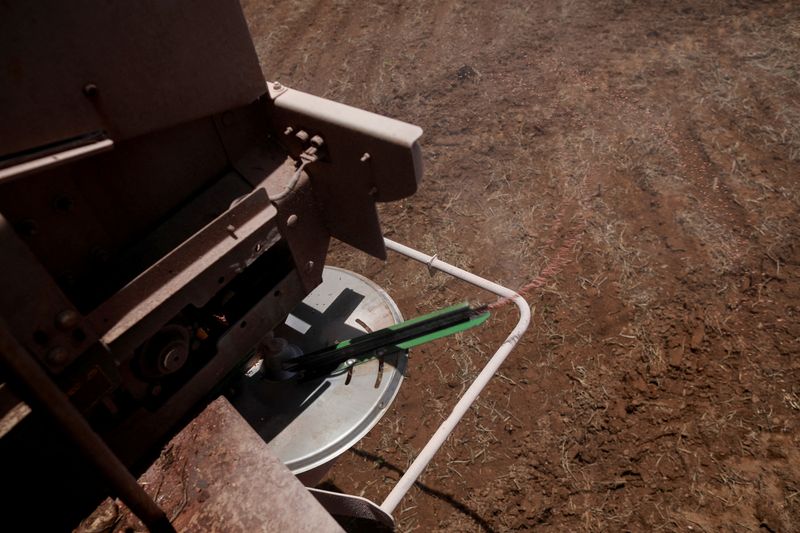
SAO PAULO, March 18 (Reuters) – Brazil could face fertilizer supply problems if conflicts in the Middle East do not ease soon, the country’s agriculture minister said, criticizing sellers for a sharp increase in local urea prices as analysts said farmers may switch to cheaper alternatives.
Agriculture Minister Carlos Favaro said on Tuesday that the U.S.-Israeli war against Iran had triggered a rise in Brazilian urea prices for days, with some sellers even suspending sales despite holding stocks before the conflict.
Market pressure has been building since late February following a joint U.S.-Israeli attack on Iran, with shipping disruptions around the Strait of Hormuz snarling the energy and fertilizer industries. It is estimated that approximately one-third of global seaborne fertilizer trade occurs via waterways.
Favaro warned that a protracted conflict could pose wider risks to the country’s agricultural sector, which imported a record 45.5 million tonnes of fertilizers in 2025.
“It’s naturally a cause for concern. There’s a certain amount of opportunism in the market because existing stocks in Brazil have been repriced. It doesn’t make sense,” Favaro said.
StoneX reports that the price of urea shipped to Brazil has increased by about 35% in two weeks, making the product less attractive to buyers and potentially prompting importers and farmers to switch to cheaper options such as ammonium sulfate.
The brokerage quoted data showing that Brazil’s urea imports fell by 33% year-on-year in the first two months of this year, while ammonium sulfate imports increased by 19%.
Urea is one of the most widely used nitrogen fertilizers on Brazilian farms because of its high nutrient concentration, which often justifies its cost. But when prices rise significantly, buyers can switch to cheaper, less concentrated products.
StoneX analyst Tomás Peñas said in a report that low prices for Brazilian agricultural exports are exacerbating the difficult decisions farmers are currently facing.
(Reporting by Gabriel Araujo and Kelly Madrid; Editing by Brad Haynes and Aurora Ellis)